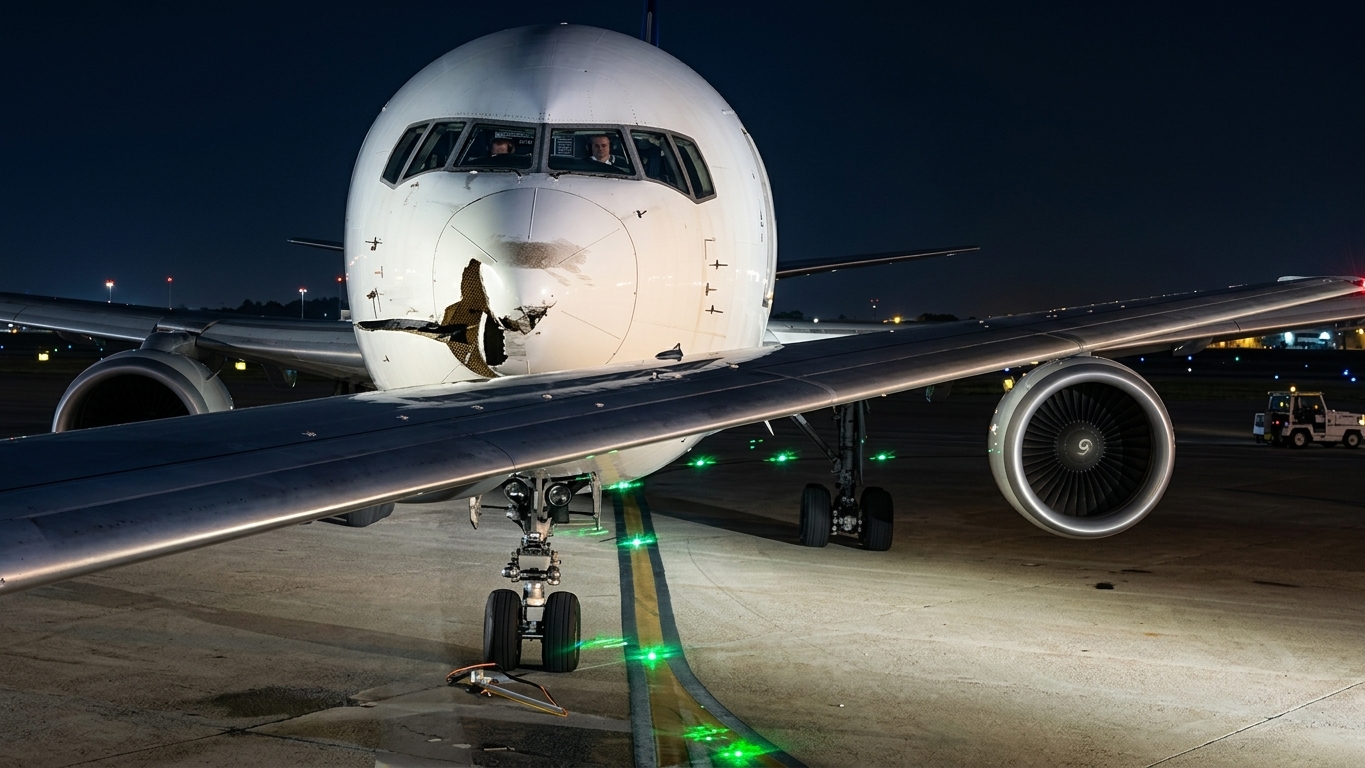
A ground collision involving a UPS cargo aircraft and a Copa Airlines passenger plane at Miami International Airport in the United States has raised fresh attention to airport ground operations and aviation safety. The incident occurred on Saturday night when the two aircraft collided at a taxiway intersection while one was preparing for takeoff and the other was arriving at the airport.
According to local media reports, the collision took place at approximately 9:15 p.m. local time. Two people sustained minor injuries in the incident and received medical attention at the scene. Authorities confirmed that neither person required hospitalisation. The incident involved two aircraft operating on different international routes. The Copa Airlines passenger aircraft had arrived in Miami from Panama City, while the UPS cargo aircraft was preparing to depart Miami for Bogotá, the capital of Colombia. Following the collision, the Federal Aviation Administration (FAA) initiated an investigation to determine the circumstances surrounding the incident.
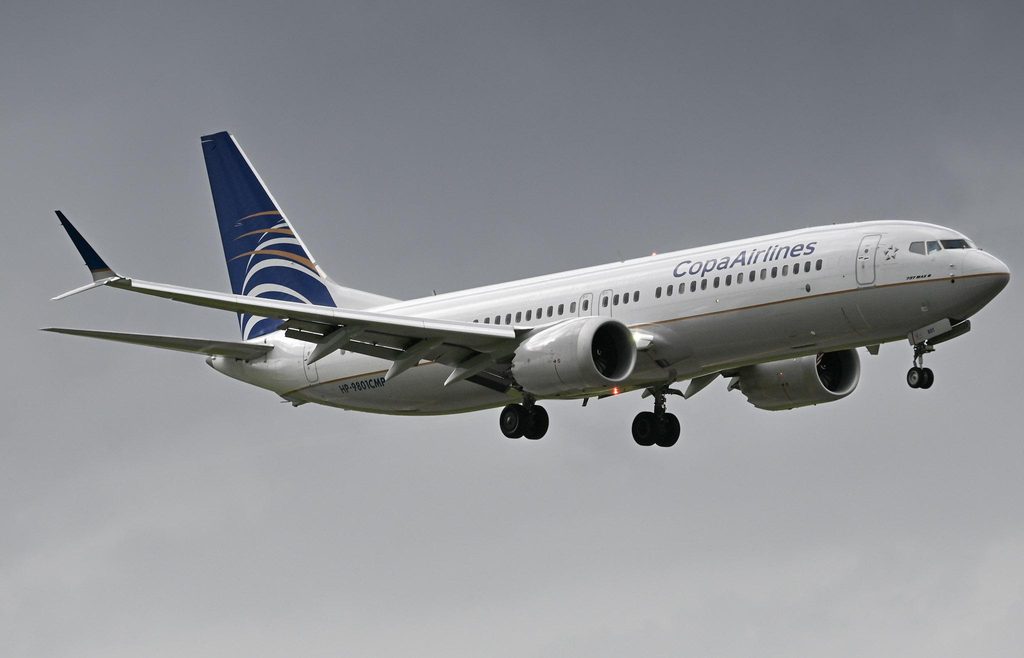
Aircraft Collision Occurs at Miami International Airport
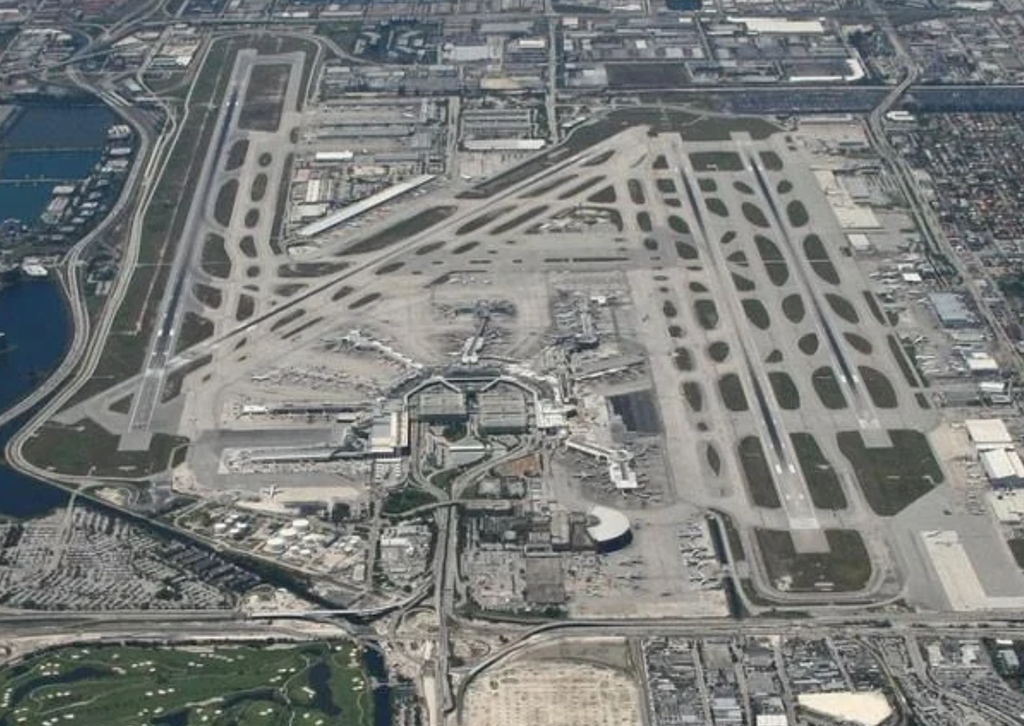
The collision took place at a point where two taxiways intersect at Miami International Airport. At the time of the incident, the Copa Airlines aircraft was landing after completing its flight from Panama City, while the UPS cargo aircraft was preparing to depart for Bogotá. Airport taxiways are designated routes that allow aircraft to move between runways, terminals, parking stands and other airport facilities. These areas require careful coordination among pilots, air traffic controllers and ground operations teams to ensure aircraft can move safely, particularly at intersections where multiple routes meet.
According to the initial reports, the Copa Airlines passenger aircraft and the UPS cargo aircraft came into contact during their respective ground movements. The exact sequence of events leading to the collision has not yet been established, and aviation authorities are examining the circumstances surrounding the incident. The involvement of both Copa Airlines’ passenger aircraft and a cargo aircraft has also highlighted the operational complexity of major international airports. Airports such as Miami handle a combination of passenger services, cargo operations and connecting flights, requiring coordinated ground movements throughout the day and night.
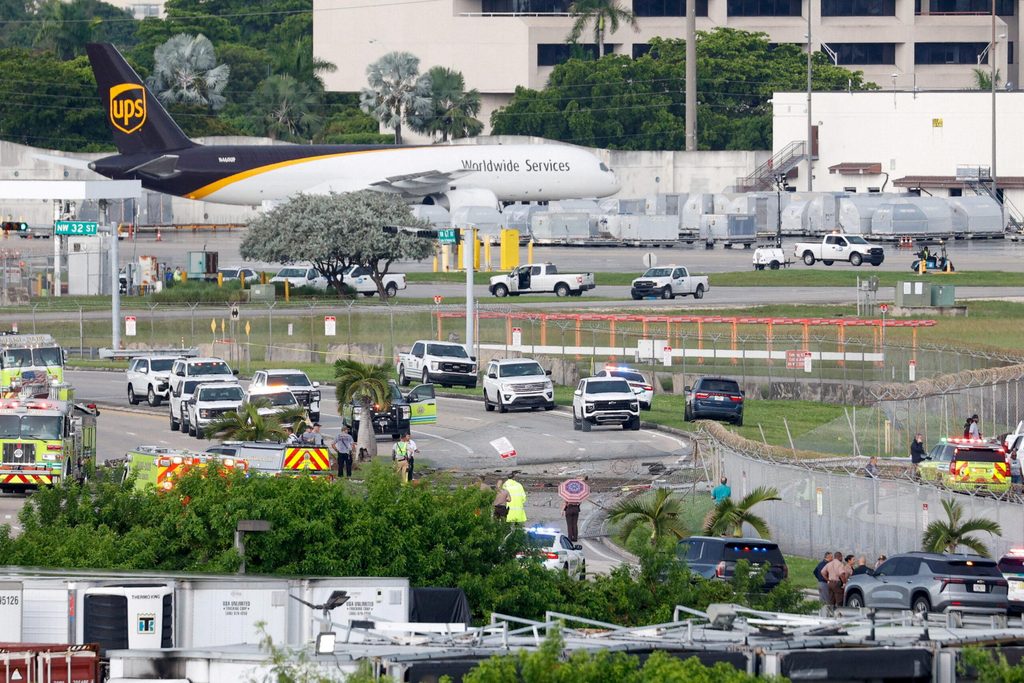
Two People Sustain Minor Injuries in the Incident
Following the collision between the UPS cargo aircraft and the Copa Airlines passenger plane, emergency response personnel from the Miami-Dade Fire Rescue Department attended the scene and provided medical assistance to the injured individuals. The department confirmed that two people sustained minor injuries and were treated at the airport. Their conditions did not require hospital admission, indicating that the incident did not result in serious reported injuries.
Emergency response teams assessed the situation and provided the necessary assistance following the collision involving the Copa Airlines and UPS aircraft. Airport emergency services play an important role in responding to aviation incidents, ensuring that injured individuals receive timely medical attention and that the affected area is managed appropriately. The reported absence of serious injuries was a significant aspect of the incident. However, the collision remains a matter of concern because aircraft ground movements require strict safety procedures to prevent contact between aircraft, particularly in busy airport environments.
FAA Launches Investigation into the Miami Airport Collision
The Federal Aviation Administration has started an investigation into the incident to establish how the two aircraft collided at the taxiway intersection. The investigation is expected to examine the aircraft movements, ground traffic coordination and other operational circumstances surrounding the collision. Investigators will seek to establish the sequence of events and identify any factors that may have contributed to the incident.
At major international airports, aircraft movements on taxiways are coordinated through established procedures involving pilots, ground personnel and air traffic control. Maintaining safe separation between aircraft is essential, especially when passenger and cargo operations take place simultaneously. The investigation will be important in determining whether operational, communication or other factors played a role in the collision. Any findings could help authorities and airport operators assess existing ground safety procedures and identify areas where additional precautions may be necessary. Further details about the cause of the collision and the extent of any aircraft damage had not been established in the initial reports.
Incident Highlights the Importance of Airport Ground Safety
Miami International Airport is an important aviation gateway connecting the United States with destinations across Latin America, the Caribbean and other international markets. It handles extensive passenger traffic alongside major air cargo operations, making efficient coordination between aircraft operators and airport authorities essential. The collision involving the UPS cargo aircraft and Copa Airlines passenger plane demonstrates the importance of maintaining effective ground traffic management at busy international airports. While aviation safety is commonly associated with takeoff, flight and landing operations, aircraft movement on taxiways is equally important in preventing ground incidents.
For international travellers, airport safety and reliable ground operations are essential components of a smooth journey. Airlines, airport operators and aviation regulators must work together to maintain clear communication, follow established procedures and ensure that aircraft movements are properly coordinated. As the Federal Aviation Administration (FAA) continues its investigation into the collision involving the UPS and Copa Airlines aircraft, further information is expected to clarify the circumstances surrounding the incident. The findings may also provide an opportunity to review airport ground movement procedures and strengthen operational safety measures at major aviation hubs.
Source-RSS