Annapurna Tourism recorded strong growth in October 2026, welcoming 41,758 foreign visitors to the Annapurna Conservation Area, an increase of 4,682 compared with the same month last year. According to the Annapurna Conservation Area Project (ACAP), the region received 37,076 foreign visitors in October 2025, indicating a year on year growth of approximately 12.6%. The increase highlights the continued popularity of the Annapurna region during Nepal’s peak autumn trekking season. The latest figures also reflect growing international interest in Nepal’s mountain landscapes, trekking routes and cultural experiences.
Foreign Tourist Arrivals Increase During Peak Season
October remains one of the busiest months for trekking tourism in Nepal, as favourable weather conditions attract visitors to the country’s major mountain destinations. Of the 41,758 foreign visitors recorded in the Annapurna region during October, 19,207 came from South Asian countries, while the remaining 22,551 arrived from other international markets. The figures demonstrate the region’s appeal among both neighbouring countries and long haul travellers. According to ACAP Chief Dr. Rabin Kadariya, tourist arrivals generally increase during October and November, which are considered the main trekking months.
The latest monthly figures also reflect the region’s strong performance throughout 2026. According to ACAP, June recorded the highest number of foreign visitors so far this year, with 108,703 arrivals, while January registered the lowest monthly figure at 20,063. The seasonal pattern highlights the influence of trekking conditions and travel preferences on visitor numbers. With October and November attracting significant international interest, the Annapurna region continues to play an important role in Nepal’s autumn tourism industry.
Annapurna’s Major Trekking Destinations Attract International Visitors
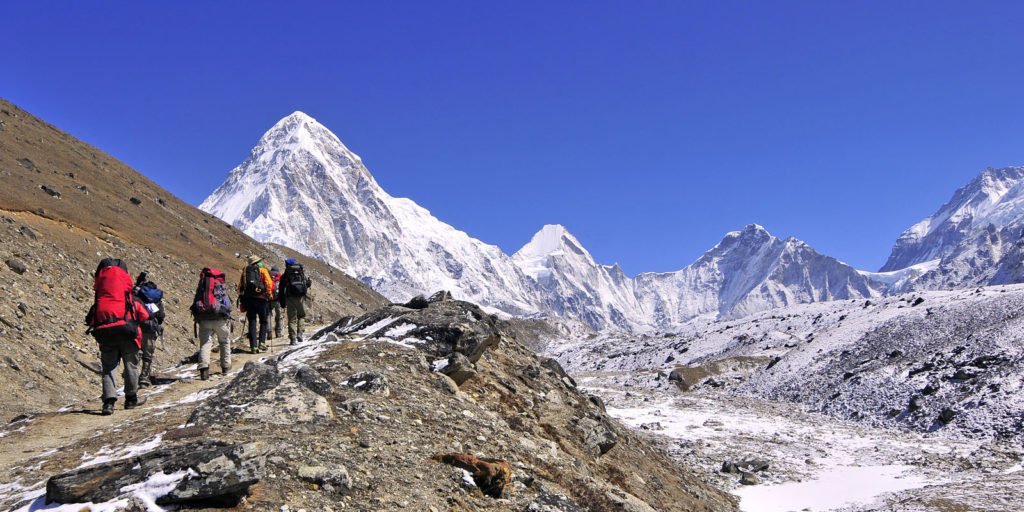
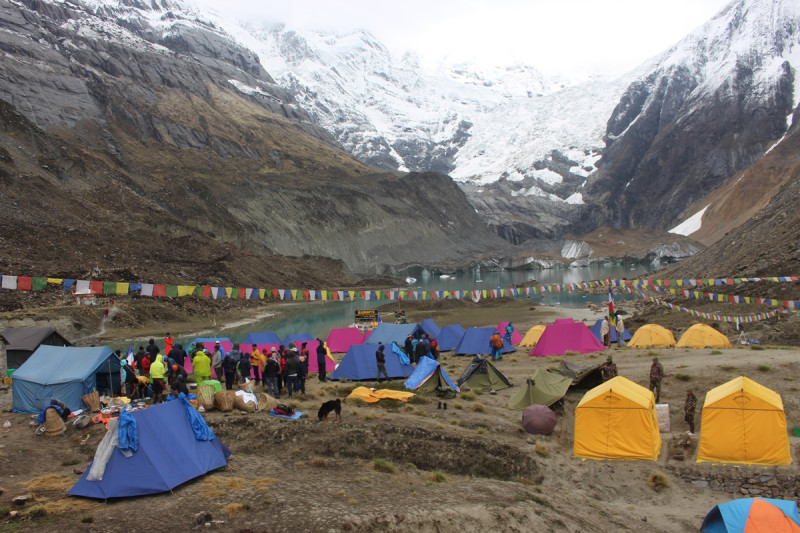
The Annapurna Conservation Area remains one of Nepal’s most popular destinations for mountain trekking, nature exploration and cultural tourism. Major attractions include Annapurna Base Camp, Mardi Himal, Ghandruk, Tilicho Lake, Thorong La Pass, Upper Mustang and Ghorepani. These destinations offer diverse experiences, ranging from high altitude trekking and mountain scenery to traditional villages and Himalayan cultural encounters. The availability of short, medium and long distance trekking routes through Kaski, Lamjung, Manang, Myagdi and Mustang further strengthens the region’s appeal among different categories of travellers.
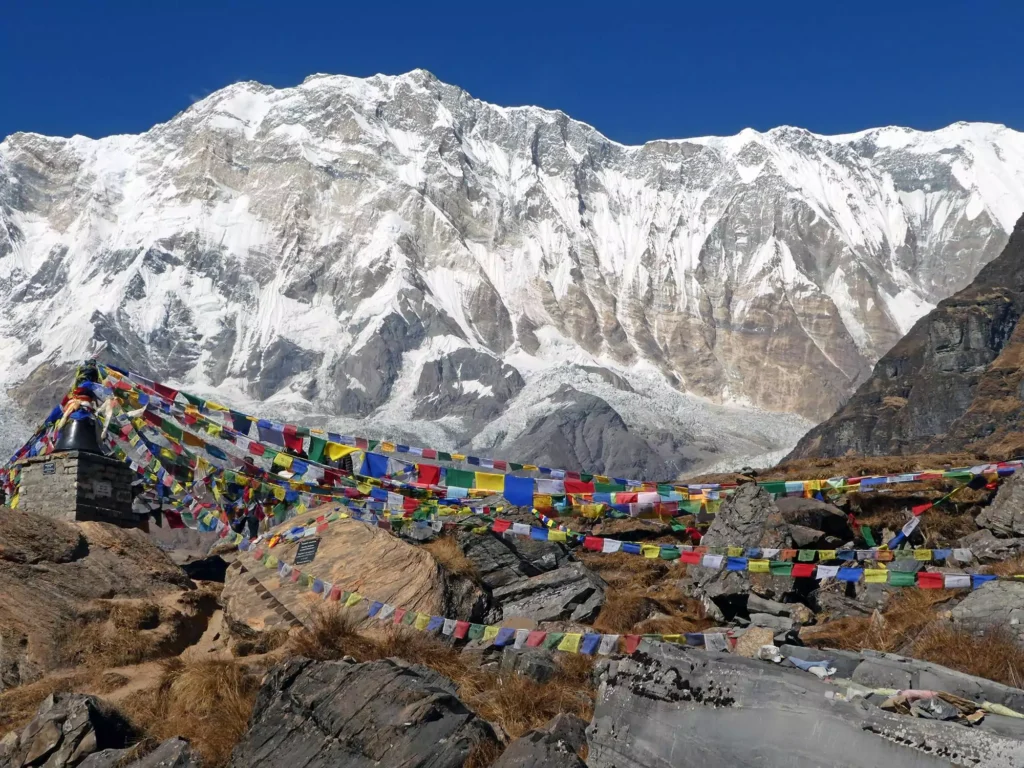
The region also attracts domestic tourists who travel by road to explore its natural and cultural attractions. While ACAP maintains official arrival statistics for foreign visitors trekking within the conservation area, domestic tourist arrivals are not included in these figures. The combination of mountain landscapes, biodiversity, traditional lifestyles and accessible trekking routes makes Annapurna an important destination for both domestic and international tourism. Its diverse attractions continue to support Nepal’s reputation as a leading destination for adventure and nature based travel.
Annapurna Conservation Area Strengthens Nepal’s Tourism Appeal
Spread across approximately 7,600 square kilometres, the Annapurna Conservation Area is Nepal’s largest conservation area and an important centre for mountain tourism and biodiversity conservation. It covers 87 wards across 15 local levels in Kaski, Lamjung, Manang, Myagdi and Mustang districts. Its diverse landscapes, Himalayan ecosystems and traditional communities provide visitors with opportunities to experience different aspects of Nepal’s natural and cultural heritage. The region’s geographical diversity also allows trekking routes to be developed for travellers with different interests, schedules and levels of experience.
The increase in October arrivals highlights the continued importance of the Annapurna region in Nepal’s international tourism market. With more than 41,000 foreign visitors recorded in a single month, the destination remains a major contributor to the country’s trekking tourism sector. The October November peak season provides opportunities for local tourism businesses, accommodation providers, guides and other service operators throughout the region. Sustaining this growth through responsible tourism practices, conservation efforts and improved visitor services will be important for maintaining Annapurna’s position as one of Nepal’s leading mountain destinations.
Growing Tourism Creates Opportunities for Local Communities
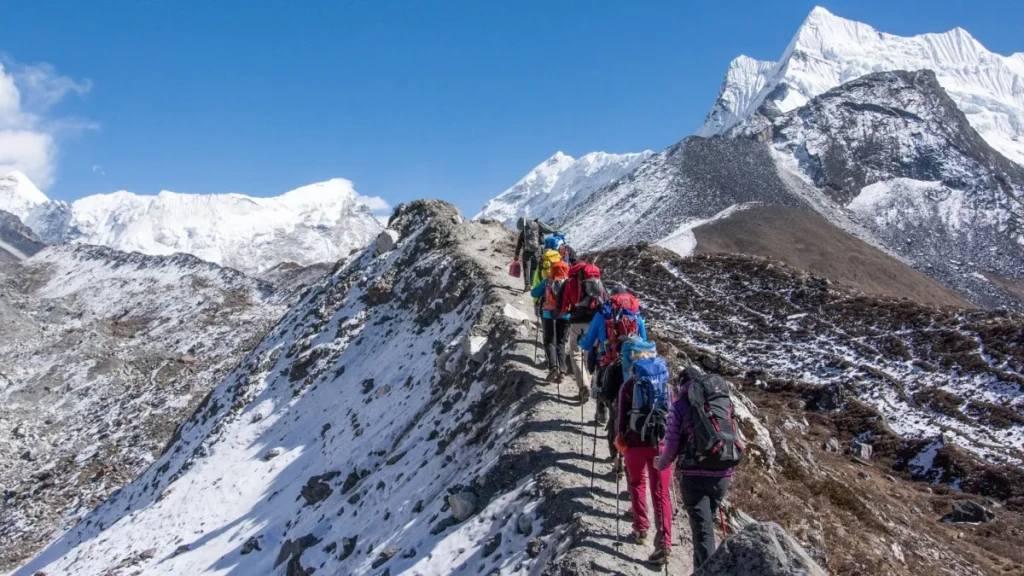
The steady growth in foreign tourist arrivals provides important opportunities for local communities across the Annapurna region. Hotels, teahouses, homestays, restaurants, trekking agencies, guides and porters benefit from the increasing number of visitors during the peak season. Tourism also supports local businesses by creating demand for transportation, food products, handicrafts and other services. As a result, trekking tourism remains an important source of income for communities throughout the conservation area.
Maintaining this momentum will require continued attention to responsible tourism, environmental protection and visitor facilities. Proper waste management, trail maintenance, safety services and sustainable tourism practices can help preserve the region’s natural and cultural attractions. Stronger cooperation between local communities, tourism businesses and conservation authorities will also be essential. These efforts can help Annapurna maintain its international appeal while ensuring that tourism growth benefits the people living in the region.
Source: RSS