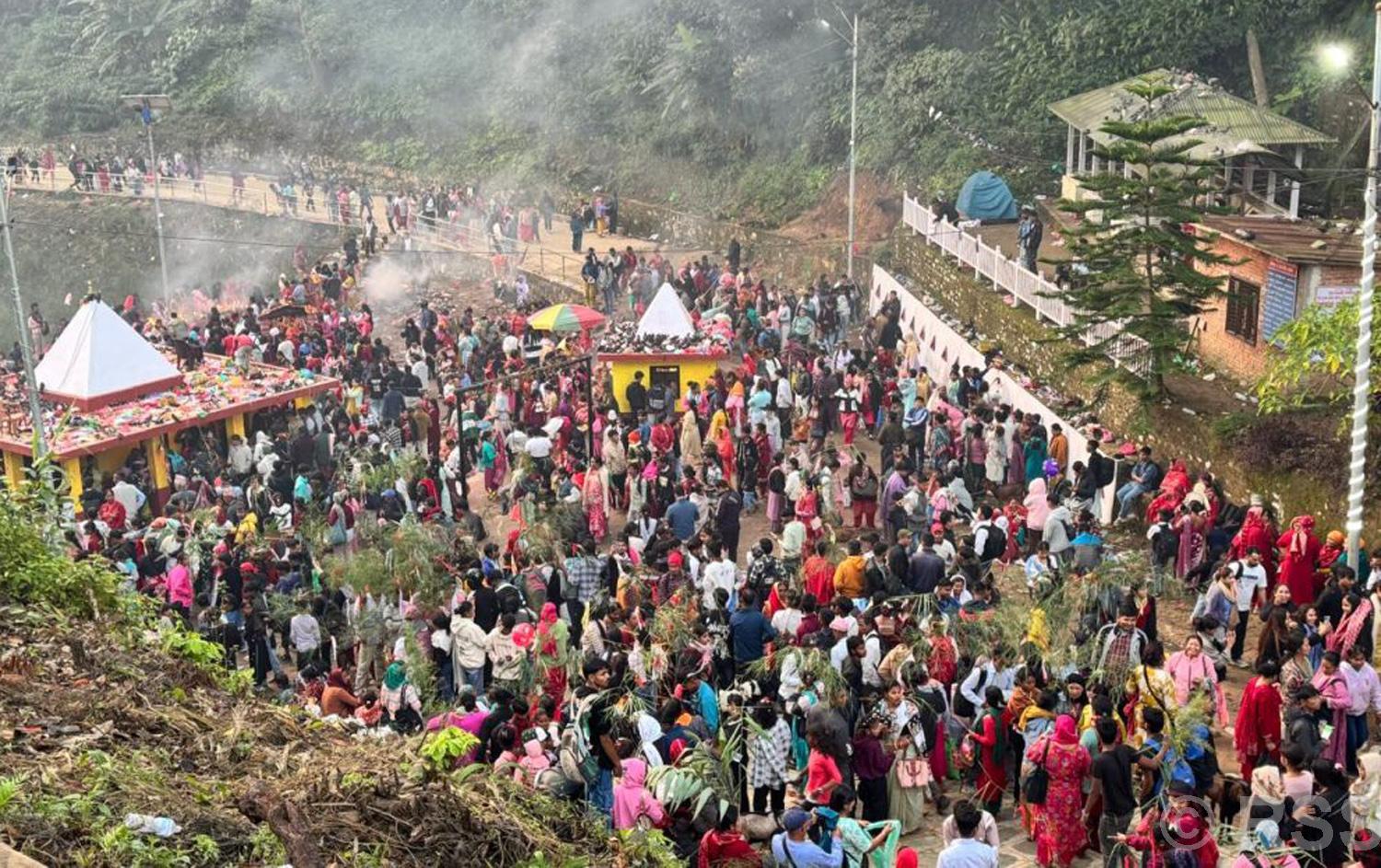
The historic and religious Satyawati Fair has commenced in Palpa, attracting devotees from various parts of Nepal and neighbouring India to the Satyawati Lake area in Tinau Rural Municipality-4. The annual festival, celebrated with traditional rituals and religious practices, is expected to draw thousands of pilgrims seeking blessings from Satyawati Bajai, a revered local goddess believed to fulfil devotees’ wishes.
This year’s fair, running from November 20 to 24, has gained additional significance with the completion of a newly constructed three-storey temple at the Satyawati Lake area. The new temple, built with an investment of more than Rs 6.55 million, is expected to provide improved facilities for worshippers and strengthen the area’s appeal as a religious tourism destination. The festival, which coincides with the Kartik full moon period, is one of Palpa’s prominent religious and cultural events, attracting visitors through its distinctive traditions, spiritual significance and scenic surroundings.
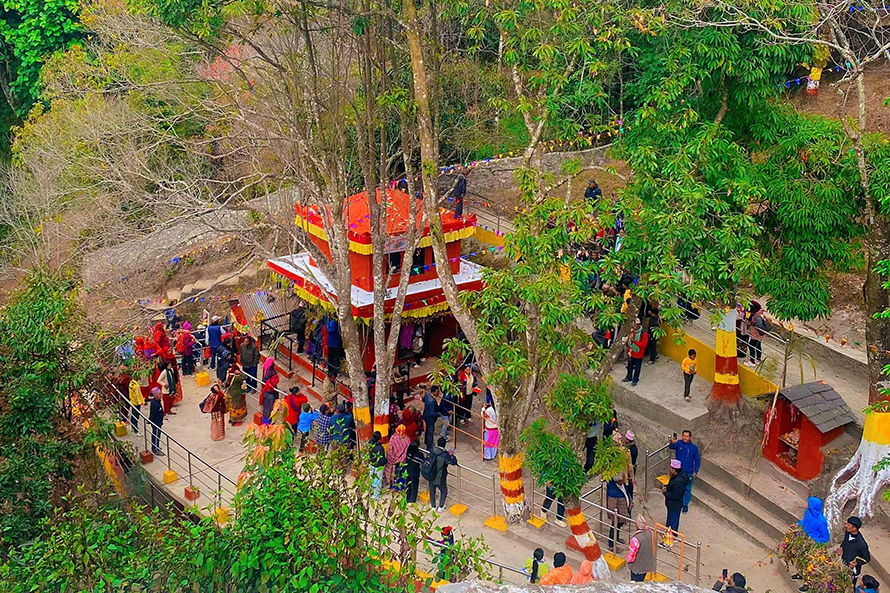
Thousands of Devotees Expected at Satyawati Lake
Satyawati Fair is held annually around the occasion of Kartik Purnima, drawing devotees who believe that worshipping Satyawati Bajai and making wishes at the sacred lake can bring blessings and fulfil their desires. The goddess is traditionally believed to be unable to hear, which has given rise to a unique ritual in which devotees shout their wishes near the lake to communicate their prayers. Pilgrims traditionally arrive at the temple area during the night, remain awake and perform religious rituals before making their wishes to the goddess in the early morning. The distinctive practice of loudly expressing their wishes has become one of the defining features of the Satyawati Fair, attracting visitors interested in experiencing the region’s unique religious traditions.
According to Dan Bahadur Gaha, chairperson of the Satyawati Temple and Lake Conservation Development Committee, preparations for this year’s festival have been completed. As the full moon falls on November 23, November 23 and 24 have been designated as particularly auspicious days for worship and religious activities. The committee expects a higher turnout this year than in previous editions, as special auspicious timings have been arranged for devotees to worship Satyawati Bajai. Visitors from different districts of Nepal and neighbouring India are expected to participate in the celebrations, contributing to the festival’s growing significance as a pilgrimage destination.
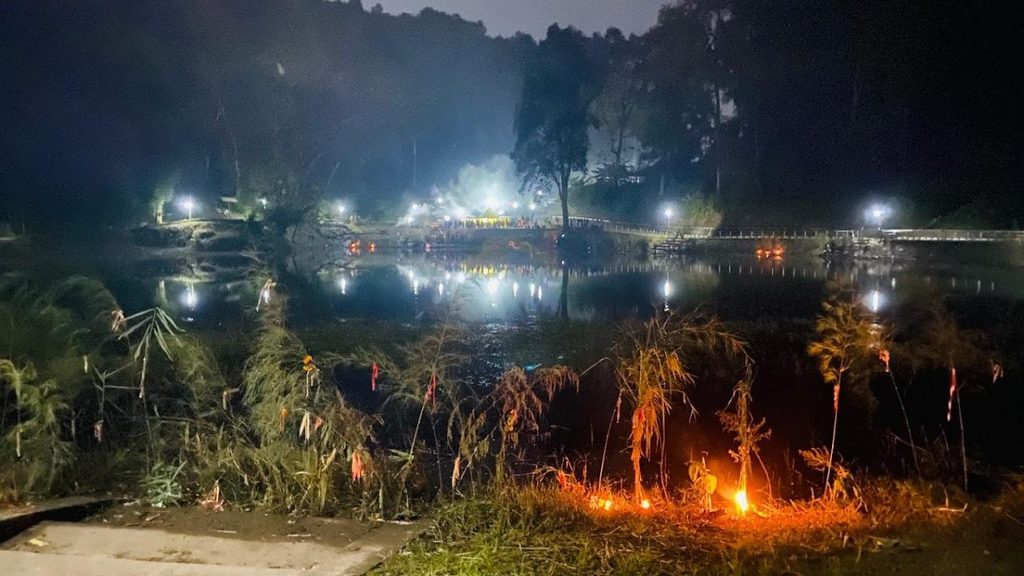
Unique Rituals and Cultural Traditions
The Satyawati Fair is renowned for its distinctive religious practices, particularly the tradition of erecting sacred poles, known locally as lingos, around the lake during the night. Devotees bring poles made from bamboo, nigalo and sal wood, place them in the designated area and offer prayers while expressing their wishes to the goddess. The following day, pilgrims identify the poles they had erected, perform worship and return home after completing their religious rituals. The tradition is deeply rooted in local beliefs and has continued for generations, making the fair a distinctive cultural experience for visitors.
Other religious practices observed during the festival include animal sacrifices, particularly goats and female goats, as well as the release of pigeons. According to local legends, Satyawati Bajai attained spiritual powers after meditating in a dense forest in ancient times. Her inability to hear is central to the belief that devotees must shout their wishes to communicate with her. In earlier years, devotees primarily visited the temple on Kartik Shukla Chaturdashi, staying overnight and performing worship before making their wishes at dawn.
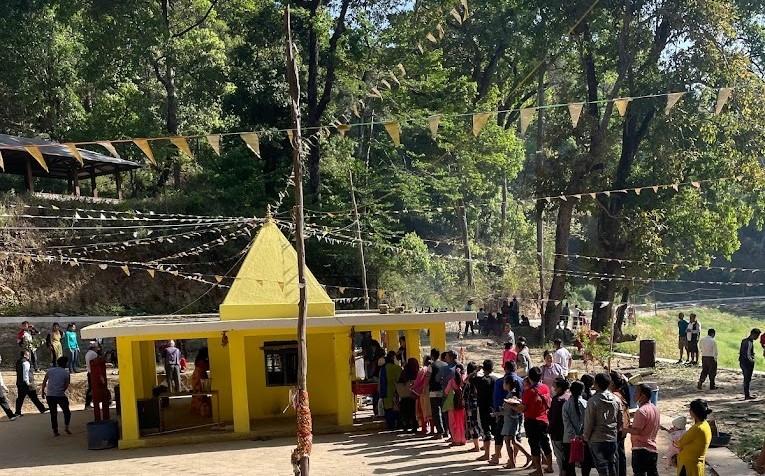
Over time, the tradition has expanded, with religious activities and wish-making taking place continuously from Kartik Shukla Trayodashi through the full moon. To ensure a safe and organised festival, CCTV cameras have been installed at various locations throughout the fair area. The sale and consumption of alcoholic beverages have also been prohibited to maintain religious decorum and cultural traditions during the celebrations.
New 3-Storey Temple Adds Attraction to the Festival
One of the major highlights of this year’s Satyawati Fair is the newly constructed three-storey temple dedicated to Satyawati Bajai. The previous temple had become old, structurally deteriorated and too small to accommodate the growing number of devotees, prompting the local government and the temple conservation committee to develop a new structure. The temple was constructed at a cost of more than Rs 6.55 million with support from Tinau Rural Municipality and the Satyawati Temple and Lake Conservation Development Committee.
Rural Municipality Chairperson Prem Shrestha said the new temple was developed in accordance with the master plan for the Satyawati Lake area, with the aim of improving religious infrastructure and providing a more comfortable environment for visitors. The completion of the temple allows devotees attending this year’s festival to perform their worship at the newly built structure. The development is expected to enhance the religious experience while contributing to the preservation and promotion of the area’s cultural heritage. The new temple also represents an important step in improving the tourism infrastructure of Satyawati Lake, which has long been recognised for its religious significance and traditional festivals.
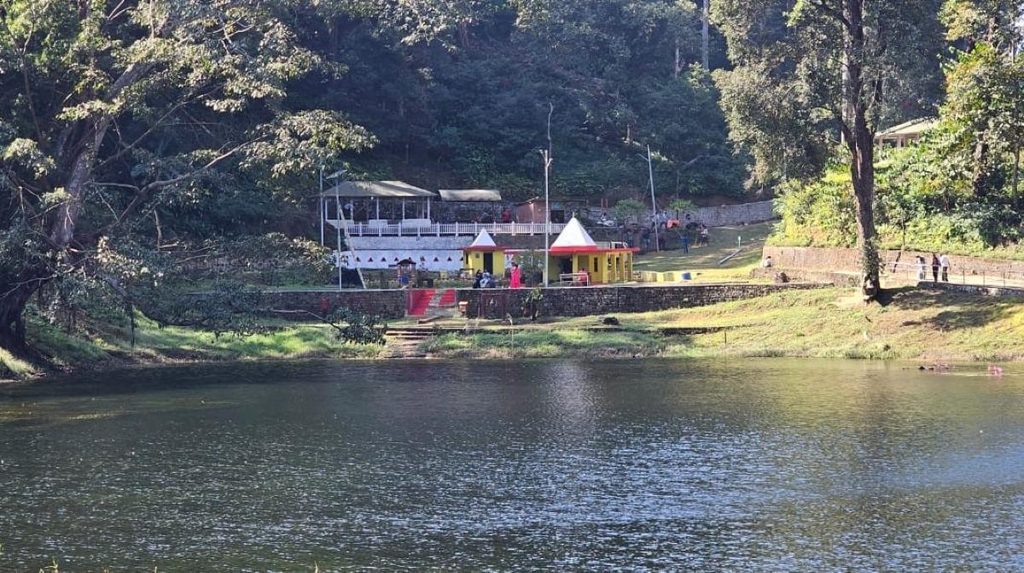
Improved Road Access to Support Religious Tourism
Infrastructure improvements have also been undertaken along the Jhumsā–Gobarbhandi road leading to Satyawati Lake. The road has undergone gravel paving and upgrading works to improve access for devotees travelling to the festival area. The improvements are expected to make journeys more convenient for pilgrims, particularly during the period of increased visitor movement associated with the annual fair. Better road access, combined with the newly constructed temple and improved festival management, is expected to strengthen the destination’s appeal among domestic visitors.
Satyawati Fair remains an important religious and cultural event in Palpa, bringing together devotees, visitors and local communities through its traditional rituals and celebrations. The annual gathering contributes to local economic and social activities while promoting the area’s religious heritage. With thousands of devotees expected to visit the lake and temple area during the festival, the event provides an opportunity to further promote Satyawati as a religious tourism destination in Lumbini Province. The combination of distinctive traditions, newly developed religious infrastructure and improved accessibility is expected to support the continued growth of tourism in the region.
Source-RSS