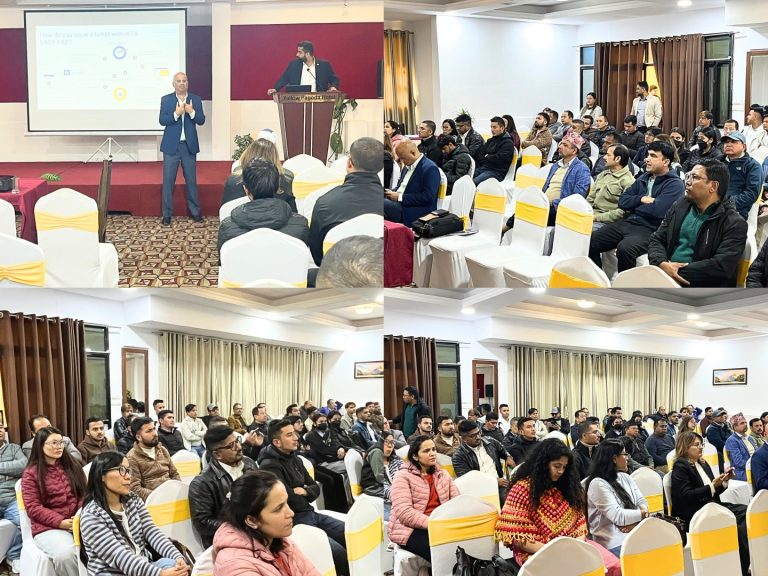
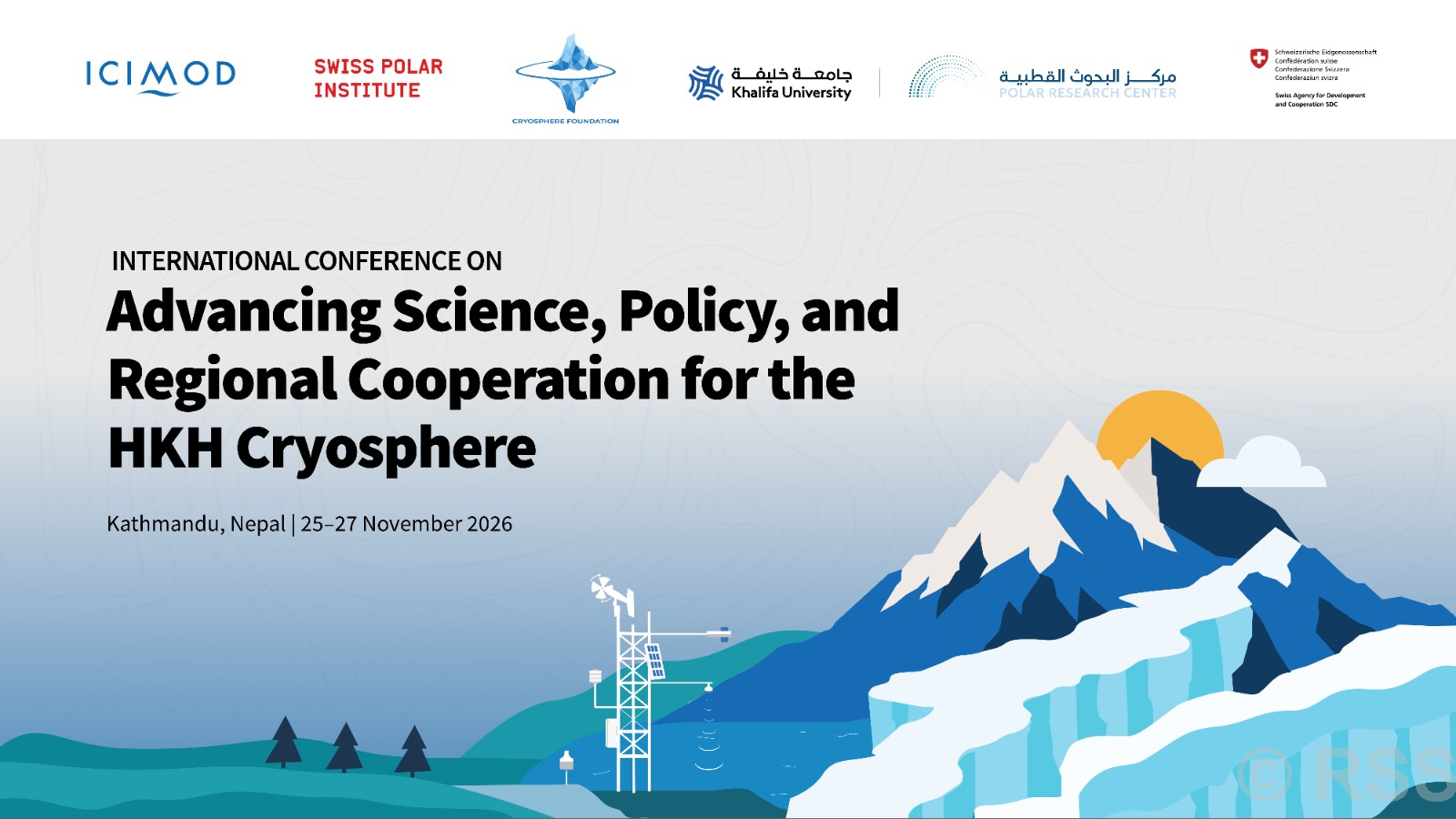
An international conference focusing on the changing cryosphere of the Hindu Kush Himalaya (HKH) region will bring together scientists, policymakers, government representatives and development partners in Kathmandu from November 25 to 27, 2026. The three-day event will examine the rapid changes taking place in the region’s snow and glacier systems, their environmental and socioeconomic consequences, and the need for stronger scientific research, policy coordination and regional cooperation.
Organised by the International Centre for Integrated Mountain Development (ICIMOD), the International Conference on Advancing Science, Policy and Regional Cooperation for the HKH Cryosphere will take place at ICIMOD’s headquarters in Khumaltar, Lalitpur. The gathering aims to strengthen understanding of cryosphere-related challenges and identify practical approaches to reducing risks across the Himalayan region.
Discussions will cover glacier and snow melt, glacial lake outburst floods (GLOFs), avalanches, changing river systems and the effects of climate change on water resources and mountain communities. Participants will also explore ways to connect scientific findings with policy decisions, improve data sharing and expand regional collaboration.
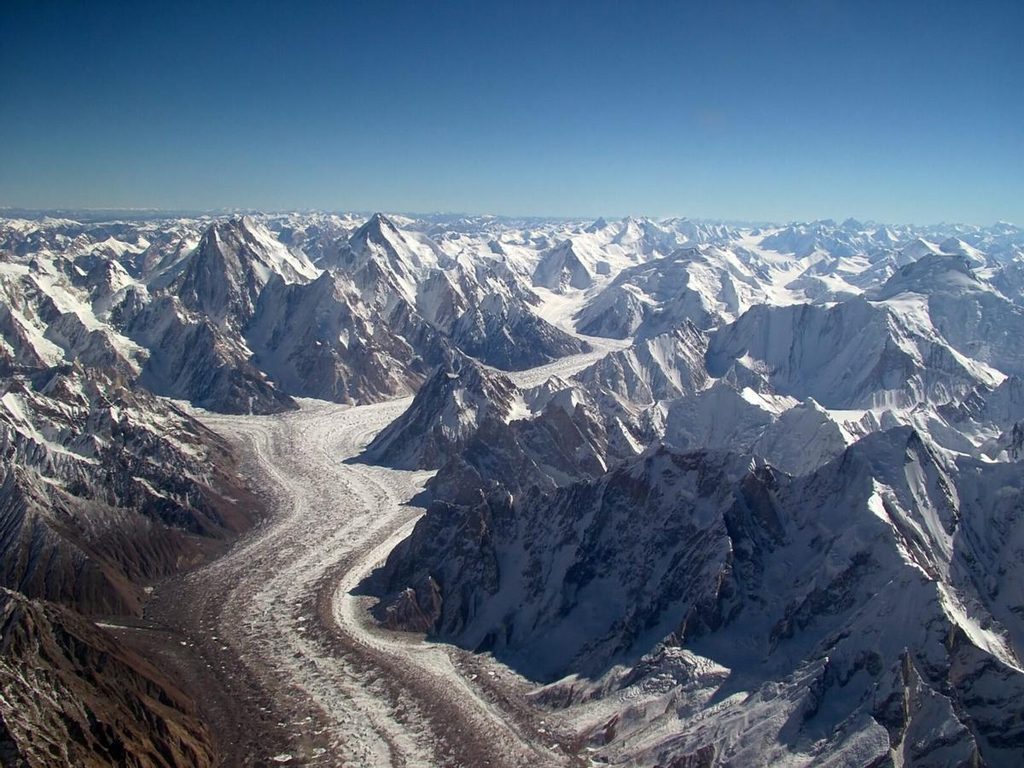
Himalayan Glaciers Face Increasing Pressure from Climate Change
The Hindu Kush Himalaya contains the world’s largest concentration of ice outside the polar regions and serves as an important source of water for major river systems. According to ICIMOD, approximately two billion people depend on rivers originating in this region, making changes in its snow and glacier systems a concern extending far beyond the mountains. Research indicates that glacier thickness in some parts of the region has declined by as much as 27 metres since 1975.
Continued glacier melting and changes in snow conditions are increasing concerns about water availability, natural hazards and the long-term stability of mountain environments. The conference will examine how these changes affect downstream river systems and sectors dependent on reliable water supplies, including hydropower and irrigation. It will also address the consequences for mountain communities whose livelihoods are closely connected to local ecosystems and natural resources.
Limited Glacier Monitoring Highlights Need for Better Data
Despite the growing importance of understanding glacier changes, consistent monitoring and long-term data collection remain major challenges across the Hindu Kush Himalaya. ICIMOD has highlighted gaps in observation systems that make it difficult to assess the pace of glacier retreat and predict future changes with confidence. Of the 38 glaciers currently under monitoring, only 18 per cent meet the minimum standards established by the World Glacier Monitoring Service (WGMS).
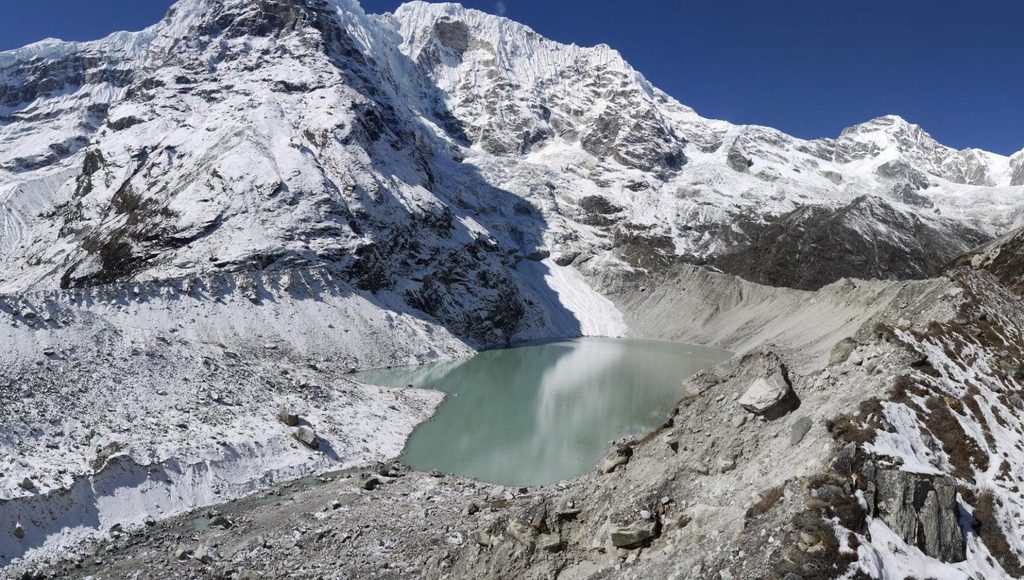
Meeting these standards requires at least 10 years of continuous observations, demonstrating the importance of sustained research and monitoring programmes. Insufficient long-term data can affect the reliability of glacier assessments, disaster preparedness and the decisions made by governments and local communities. Strengthening observation networks and improving access to scientific information will therefore be important areas of discussion during the conference.
Focus on Disaster Risk, Water Security and Mountain Livelihoods
The conference will bring together scientific evidence and policy perspectives to address several interconnected challenges facing the region. Key topics will include the risks associated with glacial lake outburst floods and avalanches, changes in snow and glacier conditions, and the implications for river systems, hydropower generation, irrigation and mountain livelihoods.
Participants will also discuss how scientific research can be translated into effective policies and practical investment in the conference. Improved regional data exchange, stronger institutional coordination and increased investment in cryosphere research are expected to feature prominently in the discussions. The event is being organised by ICIMOD in collaboration with the Swiss Polar Institute, the Cryosphere Foundation, the Polar Research Centre and Khalifa University. The Swiss Agency for Development and Cooperation is supporting the conference.
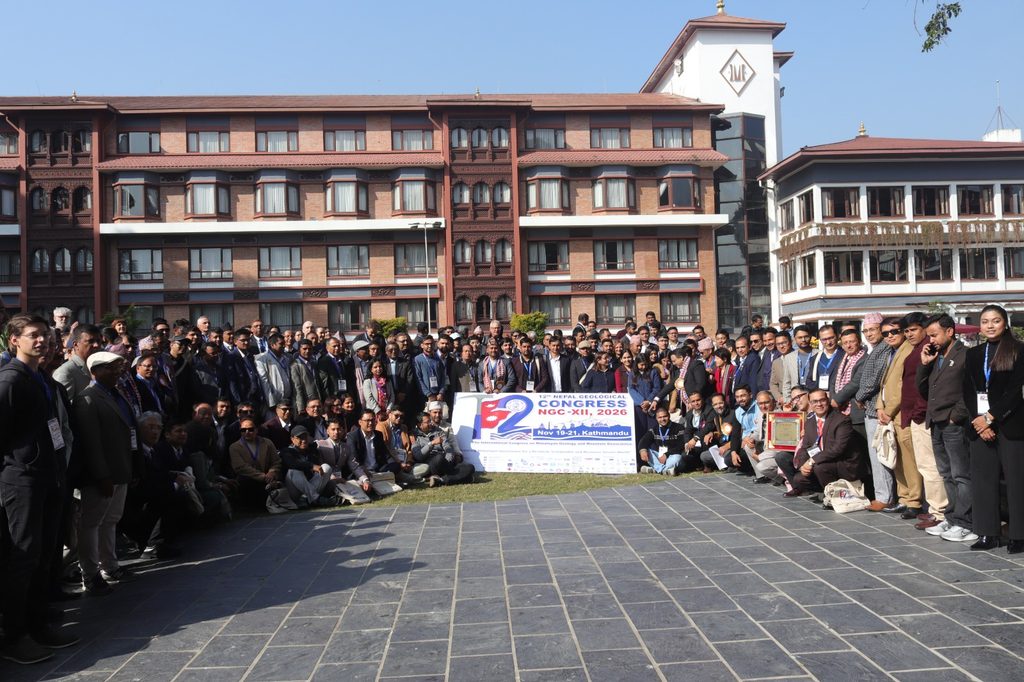
International Collaboration to Support Himalayan Resilience
ICIMOD’s Climate and Environmental Risks Chief, Chiangong Zhang, described bringing science, policy and regional cooperation together as an important step in the context of the International Decade of Cryospheric Sciences. Zhang emphasised the need to strengthen the connections between scientific evidence, policy decisions and investment so that countries can respond more effectively to shared challenges. He also highlighted the importance of science-based decisions and regional partnerships in managing growing cryosphere-related risks, protecting water security, supporting livelihoods and maintaining the sustainability of mountain ecosystems.
The conference is expected to provide a platform for regional and international experts to exchange knowledge, discuss research priorities and identify opportunities for coordinated action. By encouraging closer collaboration among scientists, policymakers, governments and development partners, the gathering aims to support more informed decisions and strengthen the long-term resilience of the Hindu Kush Himalaya region.
Source-RSS