Malaysia Aviation Group (MAG) has announced the acquisition of 10 Boeing 787 Dreamliner aircraft directly from Boeing, with options to purchase six additional aircraft, as part of its long-term fleet modernisation and expansion strategy. Powered by GE Aerospace’s GEnx engines, the aircraft are scheduled for delivery between 2032 and 2035 and will strengthen Malaysia Airlines’ capacity to serve major international markets. The agreement marks an important development for Malaysia’s aviation industry, as Malaysia Airlines will become the first Malaysian airline to operate the Boeing 787 Dreamliner.
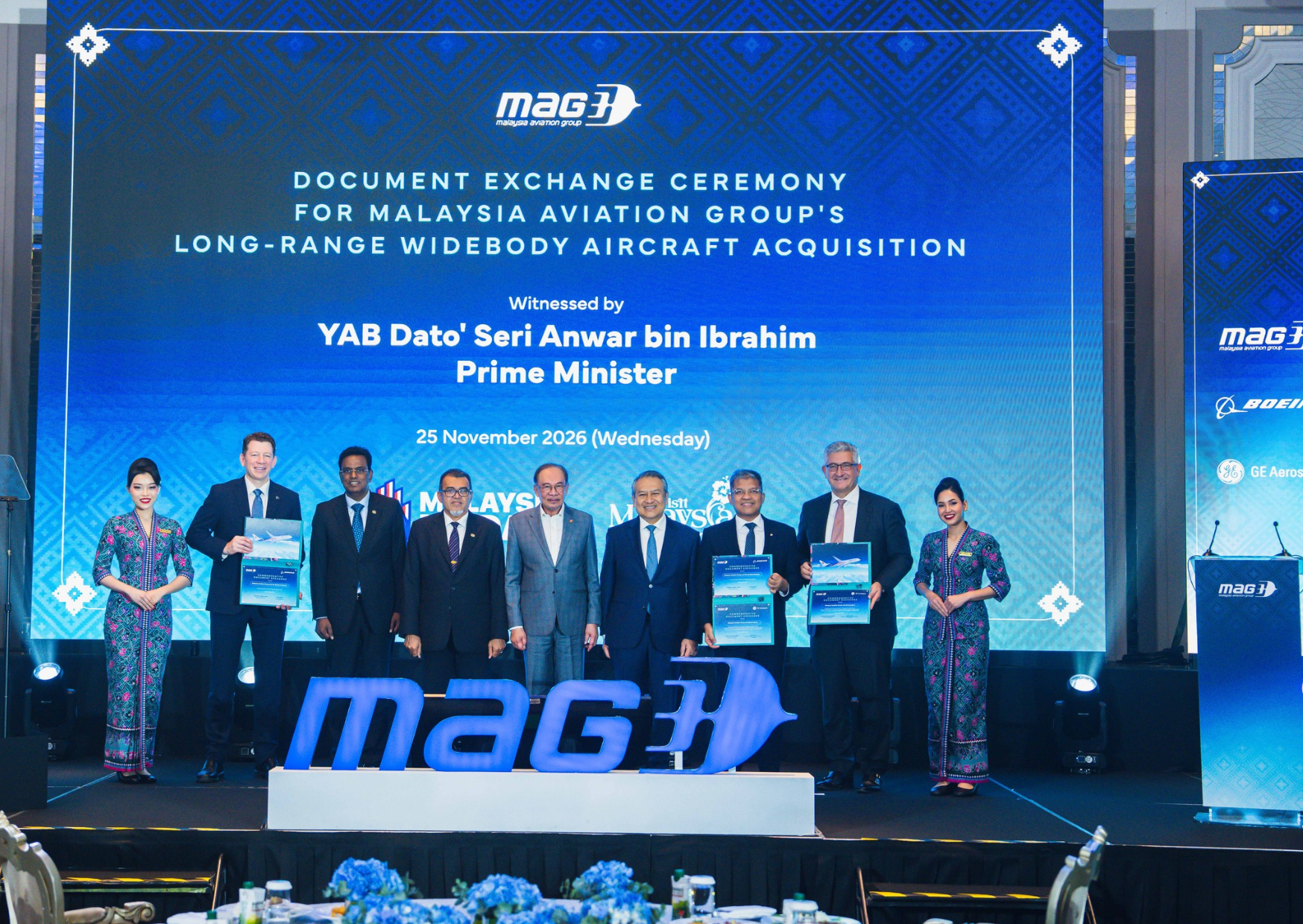
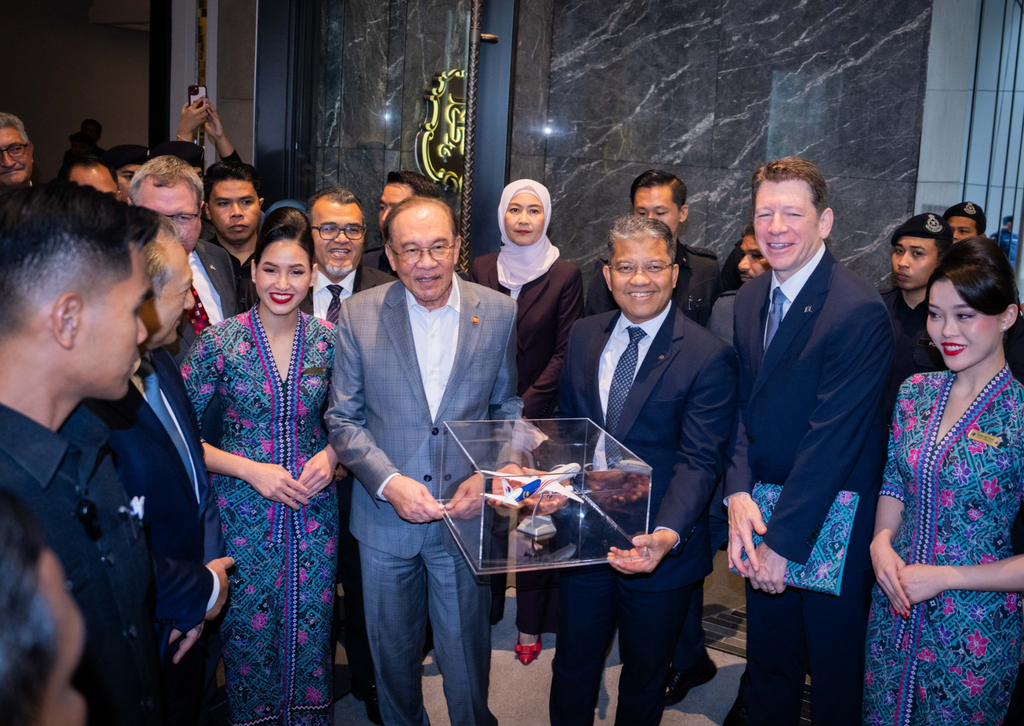
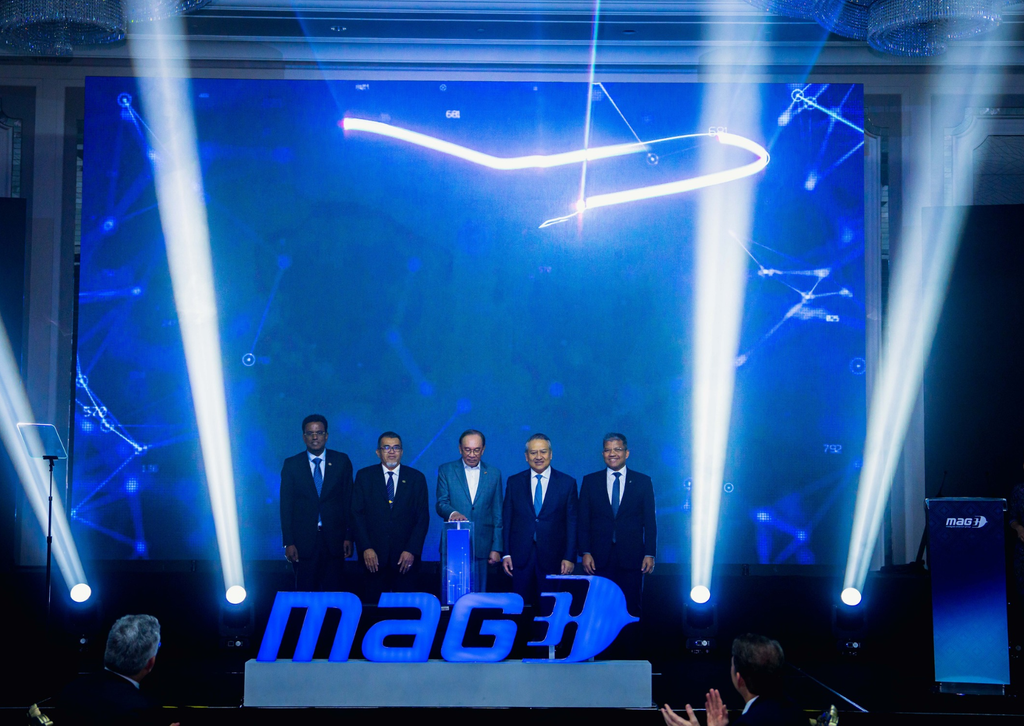
The introduction of the widebody aircraft is expected to enhance the airline’s long-haul capabilities, providing greater passenger capacity, operational flexibility and efficiency to support its future international network requirements. The announcement was made on November 25 at a signing ceremony in Kuala Lumpur attended by Malaysian Prime Minister Dato’ Seri Anwar bin Ibrahim, alongside senior government officials and representatives of Malaysia Aviation Group, Boeing, GE Aerospace and Khazanah Nasional Berhad. The agreement reflects the group’s commitment to building a modern, competitive fleet while strengthening Malaysia’s international air connectivity.
10 Boeing 787 Dreamliners to Support Fleet Modernisation
The acquisition of 10 Boeing 787 Dreamliners forms part of MAG’s broader strategy to renew its widebody fleet and prepare for future growth in international aviation. The aircraft will gradually replace the group’s existing seven Airbus A350 aircraft, which are expected to be phased out between 2032 and 2035. The transition is intended to maintain a modern fleet while improving the airline’s ability to respond to changing passenger demand and international route requirements.
According to MAG, the Boeing 787 Dreamliner will provide greater capacity and flexibility for long-haul operations. The aircraft will feature a three-class cabin configuration with 319 seats, allowing Malaysia Airlines to accommodate more passengers while offering different travel classes. Its introduction will also support the airline’s plan to deploy larger-gauge aircraft on selected long-distance routes, strengthening capacity and operational economics. The aircraft’s cabin configuration and widebody capabilities are expected to contribute to the airline’s passenger experience as it develops its international network.
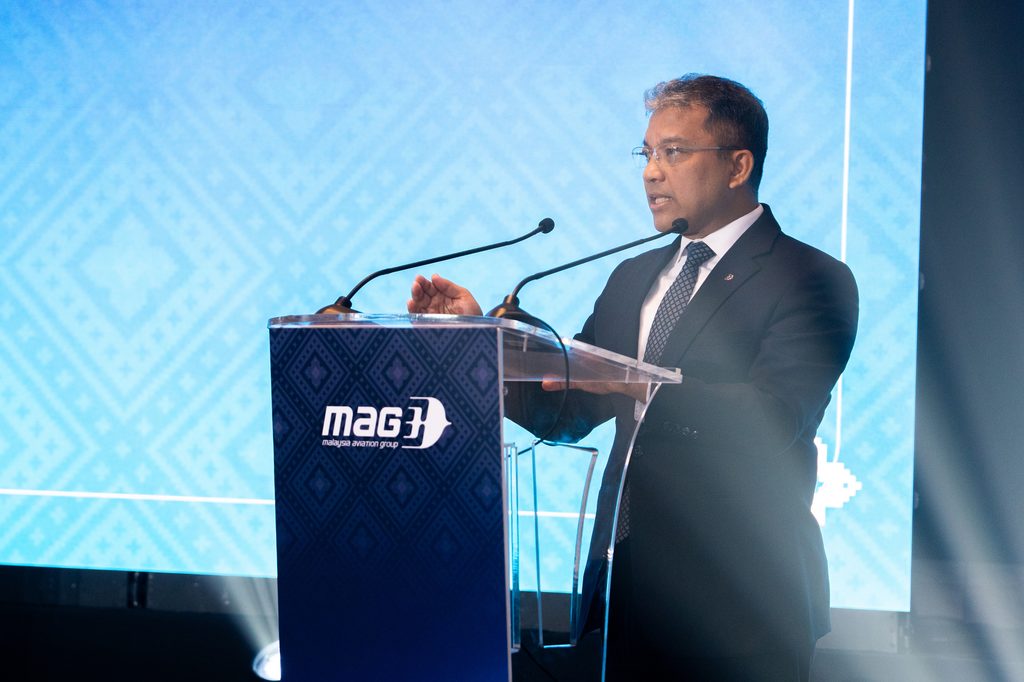
The additional capacity will give Malaysia Airlines more flexibility in planning services across key markets, while the fleet renewal programme will support its longer-term operational and commercial objectives. Captain Nasaruddin A. Bakar, President and Group Chief Executive Officer of Malaysia Aviation Group, described the acquisition as a strategic investment in the group’s future. He said the aircraft would strengthen its ability to serve important international markets with greater capacity, efficiency and flexibility while maintaining the travel experience expected by customers. He also highlighted the investment’s role in supporting Malaysia’s connectivity and international ambitions.
London, Paris, Sydney and Other International Markets in Focus
MAG expects to deploy the Boeing 787 Dreamliners across important international markets in Europe and the Asia-Pacific region. Destinations identified in its future network planning include London, Paris, Sydney, Melbourne, Tokyo, Osaka and Seoul. The deployment will depend on future network planning and operational requirements. These destinations represent important long-haul markets for Malaysia Airlines, and the additional aircraft are expected to provide greater flexibility in serving routes across different regions. The airline’s ability to operate larger-capacity aircraft on selected services could support increased passenger volumes and improve the efficiency of its international operations.
The planned deployment also reflects the group’s intention to strengthen its presence in established international markets while preparing its fleet for future network development. By introducing the Boeing 787, Malaysia Airlines aims to improve its widebody operations and align aircraft capacity with the requirements of its long-distance routes. The new aircraft will therefore form an important part of the airline’s future international connectivity strategy. Their arrival from 2032 onward will support the gradual development of the long-haul fleet and provide additional options for operating services between Malaysia and major destinations in Europe and the Asia-Pacific.
GE Aerospace Engines and Digital Solutions to Improve Efficiency
The Boeing 787 Dreamliners acquired by MAG will be powered by GE Aerospace’s GEnx-1B engines, which are designed for widebody aircraft operations. The engines are expected to support fuel efficiency, reliability and operational performance across the airline’s long-haul network. Alongside the aircraft acquisition, MAG has renewed its agreement with GE Aerospace for the use of Fuel Insight and FlightPulse digital solutions. The renewed agreement extends a partnership that began more than five years ago. These software platforms help the airline identify opportunities to improve operational efficiency, strengthen fuel management and make more informed decisions.
The combination of modern aircraft engines and digital operational tools is expected to support MAG’s efforts to improve the performance of its long-haul fleet. Fuel management and operational efficiency are important considerations for airlines operating long-distance services, where aircraft performance and fuel consumption influence overall operating costs. Jason Tonich, Chief Commercial Sales and Customer Officer at GE Aerospace, said the agreement marked a new chapter in the company’s nearly three-decade relationship with MAG.
He highlighted the GEnx engine’s reliability, durability and fuel efficiency, noting its suitability for demanding widebody operations. Boeing also welcomed the agreement as a continuation of its longstanding relationship with Malaysia. Travis Sullivan, President of Boeing Global Southeast Asia, highlighted the company’s nearly 80-year partnership with the country and its continued commitment to supporting Malaysia’s aviation future, including the aircraft and local teams and suppliers involved in the sector.
Malaysia Airlines Continues Expansion of Boeing Narrowbody Fleet
Alongside its long-haul fleet modernisation programme, Malaysia Airlines is also continuing to develop its narrowbody fleet through Boeing 737 aircraft. The airline currently operates more than 37 Next-Generation 737 aircraft, in addition to 19 Boeing 737-8 aircraft. MAG has a total order book of 55 Boeing 737 aircraft, comprising 43 Boeing 737-8s and 12 Boeing 737-10s. These aircraft are being acquired through a combination of direct orders from Boeing and leasing arrangements, with the remaining deliveries expected to be completed by 2030. The narrowbody fleet programme complements the group’s long-haul aircraft acquisition by supporting the development of its overall fleet structure.
While the 737 aircraft serve its narrowbody requirements, the 787 Dreamliner order is focused on strengthening widebody operations and international long-distance services. With 10 Boeing 787 Dreamliners confirmed and options for six more, Malaysia Aviation Group is taking a significant step towards its next phase of fleet development. The planned deliveries between 2032 and 2035 will support the replacement of its existing Airbus A350 aircraft and provide Malaysia Airlines with additional capacity for major international routes. The investment reinforces the group’s long-term focus on fleet modernisation, operational efficiency and strengthening Malaysia’s position in international aviation.