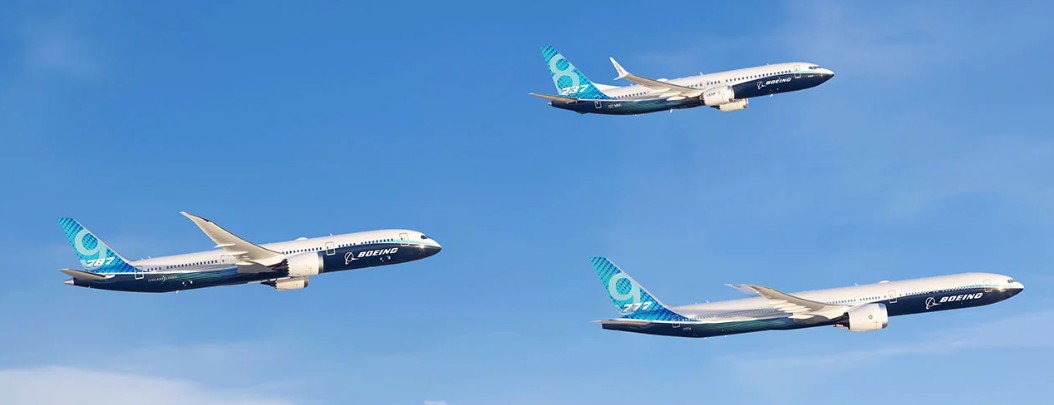
Africa’s aviation sector is projected to witness robust growth of around 6% annually until 2044, driven by a growing youth population, expanding middle class, and rapid urbanization, according to the American aircraft manufacturer Boeing. The forecast highlights a significant expansion in air travel demand across the continent over the next two decades.
Doubling of Aircraft Fleet Anticipated
Boeing’s 2025 Africa Commercial Market Outlook indicates that the region’s commercial aircraft fleet is expected to double to approximately 1,680 planes by 2044. To meet this growing demand, Africa will require around 1,200 new aircraft, with roughly 70% comprising a single type of aircraft, primarily intended to support domestic and short-haul international routes. This expansion is expected to strengthen connectivity across Africa, facilitating business, tourism, and regional integration.
Shahab Matin, Boeing’s Director of Commercial Market for the Middle East and Africa, emphasized, “Air travel is becoming a key driver of Africa’s economic growth and regional connectivity.” The expansion of the aviation sector is seen as a critical enabler for both economic development and social mobility across the continent.

Workforce and Infrastructure Investments Required
As airlines expand their networks, significant investment in human resources and aviation infrastructure will be necessary. Boeing estimates that over the next 20 years, Africa will need approximately 74,000 new pilots, technicians, and cabin crew to operate the growing fleet efficiently.
In addition to personnel, the expansion of airport facilities, maintenance hubs, and service infrastructure will be critical to support the increasing air traffic. This growth will not only enhance travel convenience but also boost employment and skill development in the aviation sector across Africa.

Service Demand and Economic Implications
To accommodate the larger aircraft fleet and operational requirements, Boeing projects a total service demand of about USD 130 billion over the next two decades. This encompasses maintenance, training, ground support, and other aviation services essential to sustain a modern, high-capacity air transport network.
The anticipated growth in Africa’s aviation market reflects the continent’s rising economic potential, urban expansion, and increasing mobility needs. Airlines, investors, and policymakers are encouraged to prepare for this surge by investing in fleet expansion, workforce development, and modern aviation infrastructure.
Boeing’s outlook underscores that Africa’s aviation sector is poised for transformative growth, becoming a pivotal force in economic development, regional connectivity, and job creation. With strategic planning and investment, the continent is set to achieve a new era of air travel, linking cities, enhancing trade, and fostering closer social and economic ties across Africa and beyond.