Aviation authorities, industry stakeholders and flight crews around the world are observing the International Day of the Air Traffic Controller today, October 20, recognizing the professionals who play a critical role in maintaining the safety, efficiency and orderly movement of aircraft across global airspace.
The annual observance commemorates the founding of the International Federation of Air Traffic Controllers’ Associations (IFATCA), which was established in Amsterdam on October 20, 1961. The day highlights the crucial contribution of air traffic controllers, whose work largely remains behind the scenes but is essential to the safe operation of the global aviation system.
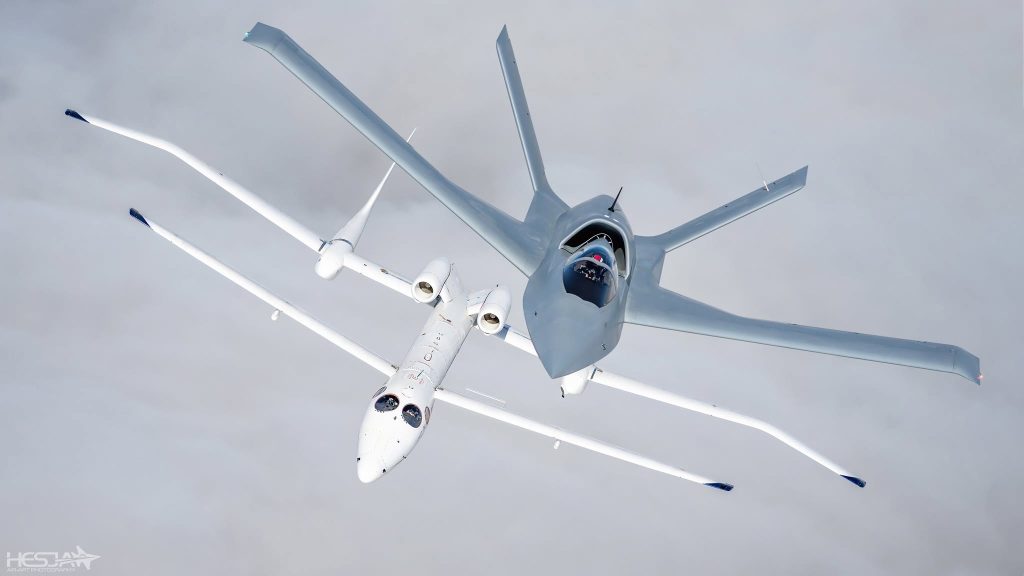
Celebrating More Than Six Decades of IFATCA
Founded in 1961, IFATCA has grown into a global organization representing tens of thousands of air traffic controllers through more than 130 member associations worldwide. The International Day of the Air Traffic Controller provides an opportunity to recognize the professionalism, vigilance and expertise of controllers working across airports, control towers and air traffic control centers. Their responsibilities extend beyond directing aircraft during takeoff and landing. Controllers coordinate aircraft movements throughout different stages of flight, helping ensure that traffic moves safely and efficiently from departure to destination.
Controllers at the Heart of Global Flight Safety
Air traffic management operates continuously, 24 hours a day and 365 days a year, connecting airport control towers, terminal radar approach control facilities and area control centers into an interconnected aviation network. Controllers may manage multiple aircraft simultaneously in increasingly busy airspace while maintaining strict safety standards and responding to changing operational conditions. One of their primary responsibilities is maintaining safe separation between aircraft. Controllers establish appropriate vertical and lateral spacing during departure, en-route and arrival phases to minimize the risk of conflicts.
Managing Weather and Unexpected Situations
Air traffic controllers also play a crucial role when weather conditions affect flight operations. Thunderstorms, turbulence, heavy rainfall, low visibility and other adverse conditions can force aircraft to change routes or flight levels. Controllers coordinate with flight crews to reroute traffic, adjust sequencing and maintain safe distances between aircraft.
Emergency situations require an even higher level of coordination and decision-making. Controllers assist crews dealing with situations such as medical emergencies, equipment failures, fuel-related concerns and other in-flight difficulties. Their ability to assess rapidly changing circumstances and coordinate with pilots and other aviation agencies can be critical to the safe outcome of an emergency.
Human Expertise Remains Essential
The aviation industry has undergone significant technological transformation over recent decades. Modern aircraft are equipped with increasingly sophisticated avionics, while satellite-based navigation and surveillance systems have substantially improved the accuracy and efficiency of air traffic management. Despite these advances, human expertise remains central to aviation safety.
Controllers continuously interpret information from multiple sources, maintain situational awareness and make real-time decisions based on traffic conditions, weather, aircraft performance and operational requirements. The ability to respond to unexpected situations and coordinate multiple aircraft simultaneously remains a fundamental component of the global aviation safety system.
Airspace Systems Undergoing Rapid Modernization
This year’s observance comes as global aviation continues to expand while countries and air navigation service providers modernize their airspace management systems. Aviation authorities and air navigation service providers are increasingly investing in technologies including remote and digital tower systems, space-based Automatic Dependent Surveillance-Broadcast (ADS-B) and automated trajectory-management systems.
These technologies are intended to improve controllers’ situational awareness and support more efficient use of airspace. Modern air traffic management systems can also help airlines reduce fuel consumption by enabling more efficient routing and flight profiles, including continuous descent operations.
Balancing Capacity and Safety
As global air traffic grows, air navigation systems face increasing pressure to accommodate more aircraft without compromising safety. Technological modernization is therefore being pursued not only to increase capacity but also to provide controllers with better information and more advanced decision-support tools. The aviation industry considers the combination of advanced technology and skilled human professionals essential to managing increasingly complex airspace.
Global Recognition for Air Traffic Controllers
On International Day of the Air Traffic Controller, aviation organizations and industry stakeholders are recognizing controllers across flight information regions worldwide for their contribution to keeping aviation networks connected. The observance serves as a reminder that every safe flight involves a large network of professionals working behind the scenes.
While passengers may see pilots and cabin crew during their journey, air traffic controllers remain a crucial part of the aviation system, ensuring aircraft can safely navigate increasingly busy skies. The October 20 observance therefore honors both the history of IFATCA and the continuing contribution of air traffic controllers to safe, orderly and efficient global air transport.