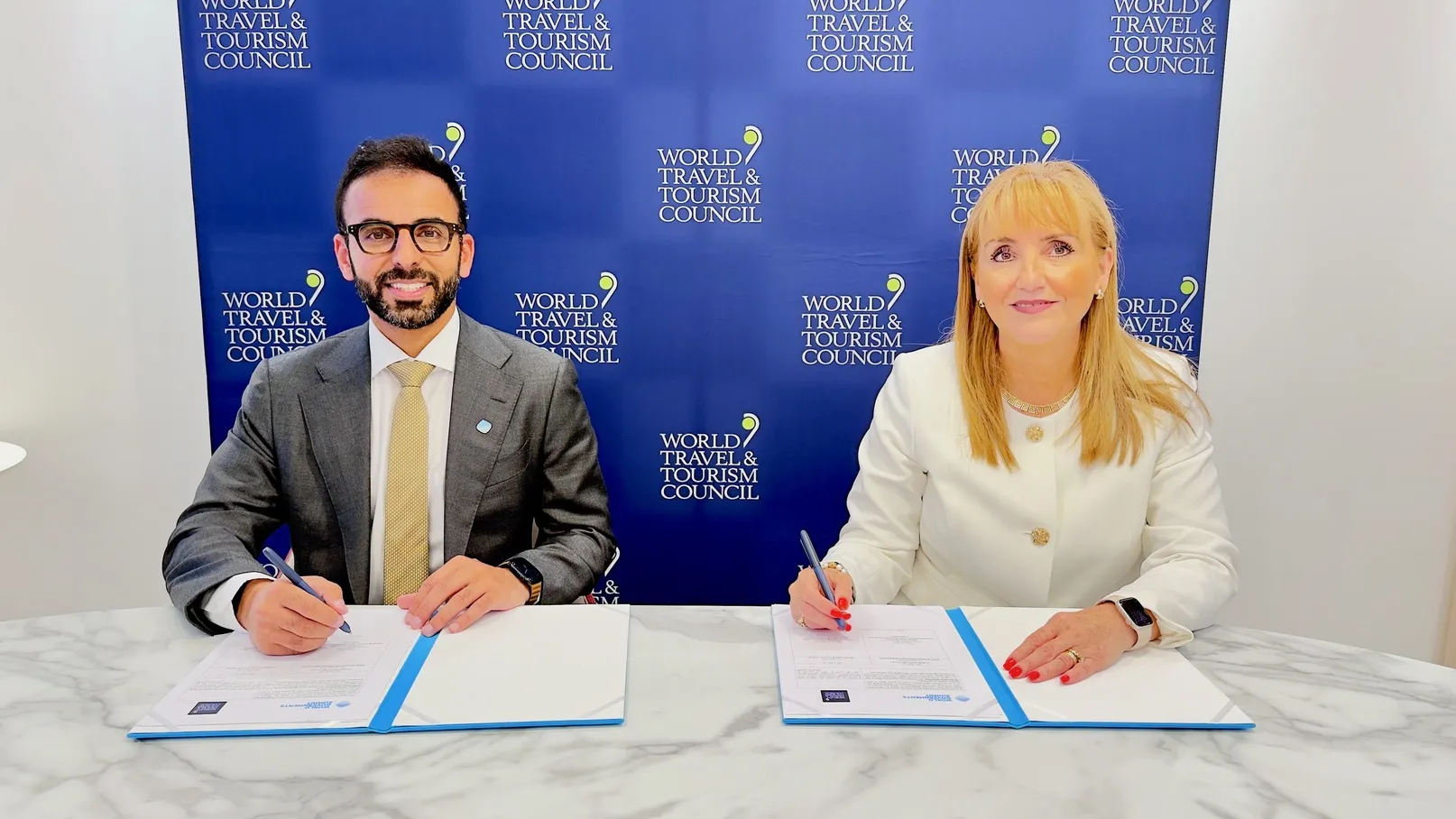
The World Travel & Tourism Council (WTTC) and the World Governments Summit Organization (WGS) have signed a Memorandum of Understanding (MoU) to establish a stronger framework for cooperation between governments and the private sector and to help shape the future direction of the global Travel & Tourism sector. The agreement, announced on August 13, 2026, brings together WTTC’s worldwide network of private-sector tourism leaders and WGS’s extensive platform connecting governments, policymakers, international organisations and global experts.
The two organisations said the partnership will create opportunities for closer cooperation on the major issues influencing tourism’s long-term development, while supporting policies and initiatives that can strengthen the sector’s growth, resilience and competitiveness. The agreement comes as destinations and tourism businesses around the world are adapting to major changes in technology, sustainability, employment and traveler behavior, making stronger cooperation between public authorities and industry leaders increasingly important.

Tourism sector faces a rapidly changing global environment
The partnership has been established at a time when the international tourism industry is undergoing significant transformation. Technological advancement, sustainability requirements, workforce challenges and changing traveller expectations are reshaping how destinations operate and how visitors plan and experience their journeys. Tourism businesses and governments are therefore facing the need to respond to new forms of travel demand while ensuring that tourism growth remains economically beneficial and environmentally responsible.
WTTC and WGS intend to use their partnership to strengthen dialogue between policymakers and private-sector leaders so that emerging challenges can be addressed through shared solutions rather than isolated approaches. The organisations believe that closer cooperation can help governments understand the changing needs of the industry while enabling tourism businesses to contribute their experience and expertise to the development of effective policies and long-term strategies.
Cooperation to promote investment and destination development
A major focus of the agreement will be the exchange of knowledge, expertise and best practices between the public and private sectors. WTTC and WGS will seek to encourage more effective cooperation in policy-making and investment while advancing initiatives focused on innovation, destination development and future-ready tourism ecosystems. Such cooperation is expected to help destinations improve their ability to respond to changing visitor expectations, adopt new technologies and develop tourism infrastructure and services in a more coordinated manner.
The partnership also aims to encourage investment in tourism by creating stronger connections between decision-makers and businesses. By sharing successful approaches and identifying common priorities, the organisations hope to support destinations in becoming more competitive while ensuring that tourism development contributes to broader economic and social benefits.
Future of tourism placed at the centre of global discussions
Another important element of the partnership will be cooperation within the framework of the World Governments Summit, particularly on discussions surrounding the future of tourism. WTTC and WGS will collaborate on key events and initiatives in the United Arab Emirates and internationally, while also working on joint projects that reflect their shared strategic priorities.
These activities are intended to bring together tourism-industry leaders, government representatives, policymakers and international experts to discuss the issues likely to influence the sector in the coming years. The collaboration will provide a platform for examining subjects such as sustainable tourism development, technological innovation, investment, destination competitiveness and changing traveller needs. Through these discussions, the two organisations aim to encourage international cooperation and develop ideas that can be translated into practical policies and initiatives for destinations and tourism businesses.
WTTC leadership stresses stronger public-private partnership
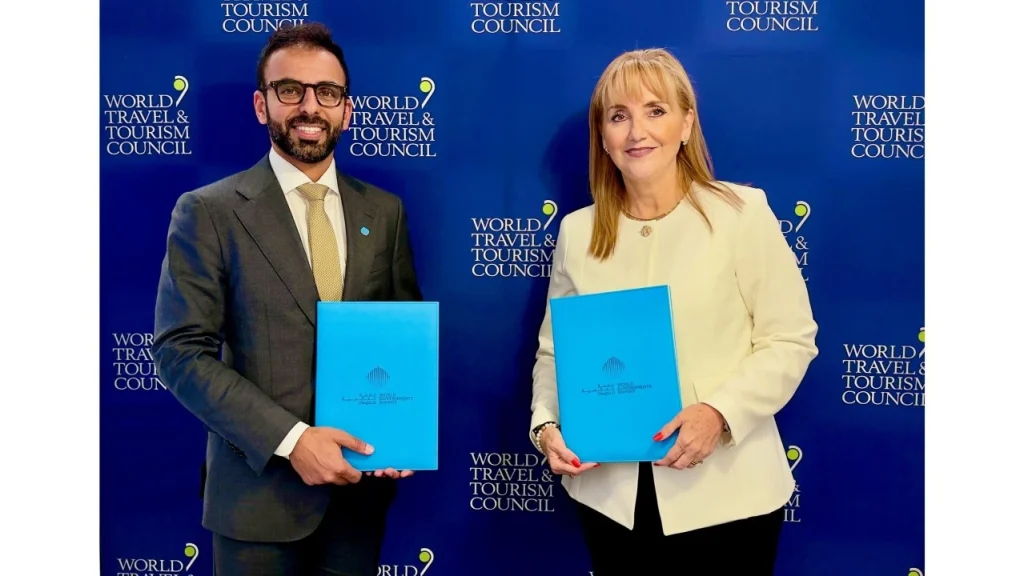
The agreement was formally signed by Gloria Guevara, President and CEO of WTTC, and Mohamed Al Sharhan, Managing Director of WGS, and has been endorsed by Mohammad Abdullah Al Gergawi, Minister of Cabinet Affairs of the United Arab Emirates and Chairman of WGS. Guevara emphasized that the future of Travel & Tourism would depend significantly on the strength of cooperation between governments and the private sector. She said the partnership would bring policymakers and industry leaders closer together to address shared challenges and identify new growth opportunities.
According to her, coordinated action can help create a more resilient, innovative and sustainable tourism sector, while ensuring that the economic benefits generated by travel continue to support communities through employment, business opportunities and wider economic development. Her remarks underline the importance of ensuring that tourism policy and private-sector investment develop together rather than separately.
WGS expands its international cooperation platform
The World Governments Summit, established in 2013, has developed into an international platform that brings together governments, private-sector representatives, international organisations and thought leaders to examine innovation, technology and solutions to major global challenges. Through its partnership with WTTC, the organisation is extending this collaborative approach to one of the world’s most significant economic and employment-generating sectors.
Mohamed Al Sharhan said WGS would continue strengthening its role as a platform for developing strategic partnerships, facilitating the exchange of knowledge and expertise, and encouraging innovative responses to future challenges. The cooperation with WTTC is expected to provide an additional channel through which governments and tourism businesses can exchange perspectives and work together on policies and initiatives that support the industry’s long-term development.
Partnership aims to create future-ready tourism ecosystems
The two organisations also intend to use the partnership to strengthen international cooperation around future-ready tourism ecosystems. This includes supporting initiatives that can improve the way destinations plan for growth, respond to technological changes and address sustainability concerns while maintaining a strong focus on visitor experience.
As travellers increasingly look for convenient, personalised and responsible experiences, destinations will need to adapt their infrastructure, services and policies accordingly. WTTC and WGS will therefore seek to promote approaches that connect innovation with practical tourism development and investment. The partnership could also help create stronger links between government strategies and private sector projects, allowing tourism destinations to respond more effectively to market changes and develop new opportunities for businesses and local communities.

Tourism remains a major driver of economic opportunity
The partnership ultimately seeks to reinforce the position of Travel & Tourism as a major driver of economic growth, job creation and global connectivity. Tourism supports a wide range of industries and communities, from accommodation and aviation to restaurants, transport, attractions and cultural services, making cooperation across different sectors essential for sustainable development.
By combining WTTC’s global tourism industry leadership with WGS’s ability to bring together governments and international decision-makers, the new partnership creates a broader platform for addressing the challenges and opportunities facing tourism. The organisations aim to use this cooperation to support better policymaking, encourage investment, advance innovation and strengthen the resilience of destinations. Their shared objective is to help ensure that global tourism remains competitive, sustainable and adaptable, while continuing to generate economic and social opportunities for communities and future generations.