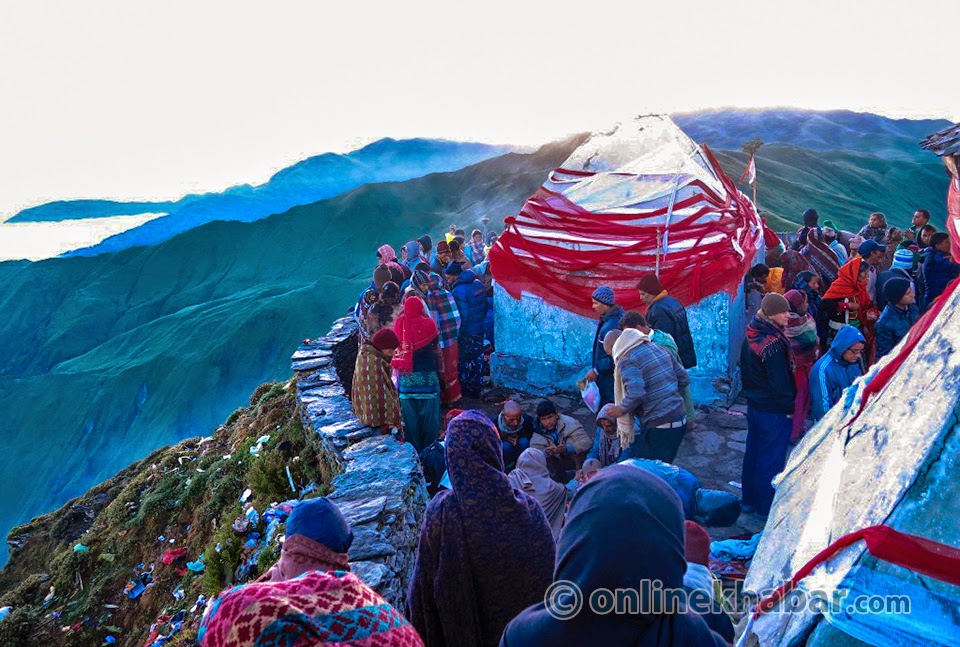
The annual Badimalika Bhagwati Temple festival has begun in Bajura, attracting pilgrims and visitors from across Nepal and neighbouring India to one of the country’s most important religious and tourism destinations. Located at an elevation of around 4,200 metres above sea level, Badimalika is known for its religious significance, spectacular mountain scenery and vast alpine landscapes. The main festival traditionally takes place on Shrawan Shukla Chaturdashi, one day before Janai Purnima, although worship activities began from Bhadra 1 this year to accommodate the increasing number of devotees arriving at the temple.
A Major Religious Gathering In Western Nepal
The festival is part of a wider religious tradition observed during Janai Purnima, when worship is also conducted at Budhinanda, Badalekh and more than a dozen other Shakti Peethas in the region. According to Badimalika Temple priest Netra Padhyaya, devotees traditionally perform the main worship of Goddess Badimalika on Shrawan Shukla Chaturdashi before descending from the temple area, while worship continues at Nateshwori Temple in Tribeni Municipality 7 on Janai Purnima.

Pilgrims arrive from different parts of Nepal, particularly Bajura, Doti, Kalikot and Jumla, while visitors from India also make the journey each year. Government teams from the four districts have already reached the site with worship materials, continuing the established tradition. Badimalika Municipality Mayor Amar Bahadur Khadka said visitor numbers are expected to increase this year, with the new pagoda-style Badimalika Temple, constructed by the Nepal Army last year, adding further attraction to the pilgrimage site.
Improved Facilities Make The Journey Safer
With visitor numbers rising, authorities have strengthened security arrangements and visitor management around the festival. Chief District Officer Dorendra Niraula said the early start of worship was linked to the growing number of pilgrims, while security preparations have been reinforced to assist visitors. The steep terrain and high altitude remain the main challenges for travellers, particularly those unfamiliar with high-altitude conditions, but authorities report that no major problems have occurred apart from difficulties associated with the rugged landscape and altitude.
Another major development this year is the operation of a Nepal Telecom 4G tower, providing much-needed telephone and internet connectivity in the remote area. Previously, pilgrims and security personnel faced difficulties communicating because of limited network coverage. The new service allows visitors to remain connected with their families, access information and contact security or rescue agencies when necessary, making it an important improvement for communication, safety and emergency response during the festival.
Natural Beauty Adds To Badimalika’s Appeal
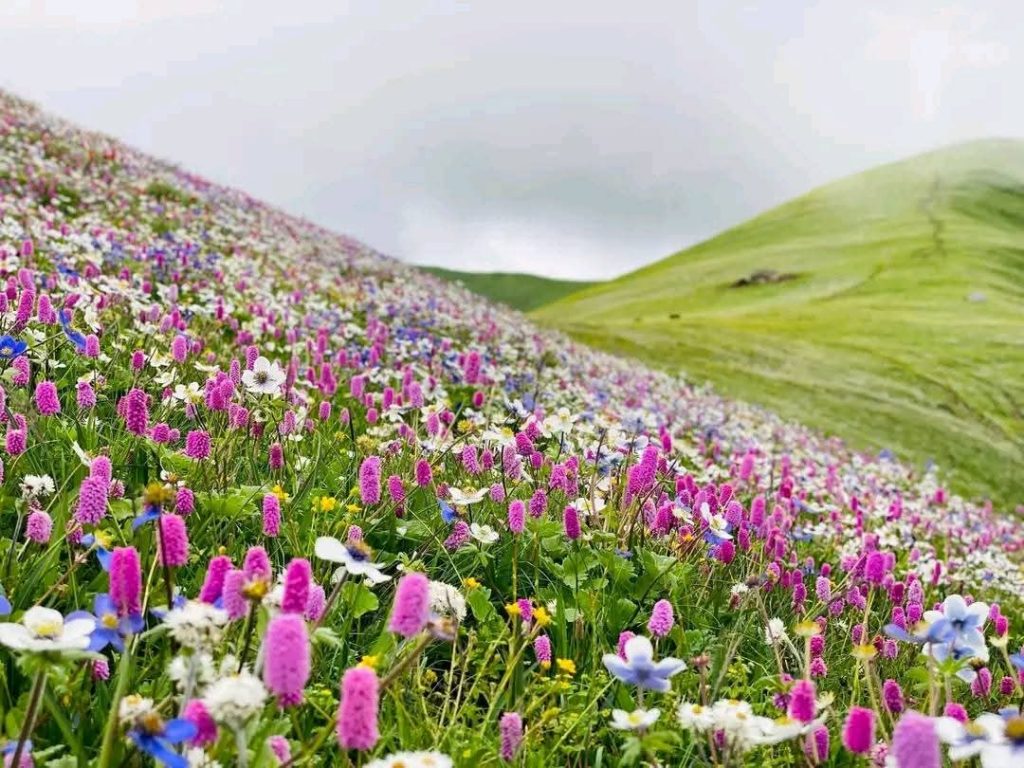
Badimalika is increasingly attracting visitors not only because of its religious importance but also because of its remarkable natural surroundings. The area features the Triveni region, 22 Patans, Tiphanta, Kheti-Beti, Bishnupani and Dharmadwar, along with expansive green pastures and colourful seasonal flowers. The spectacular Himalayan scenery and peaceful high-altitude environment make the journey particularly appealing to travellers interested in nature, photography, trekking and cultural experiences.
The region is also home to rare birds and wildlife, including the Himalayan monal and musk deer, adding ecological value to the destination. Badimalika has gained further attention in recent years after Prime Minister Balendra Shah described it as the “Switzerland of Nepal” during an election campaign in Dhangadhi. The growing recognition of its landscape, combined with its religious heritage, has helped introduce Badimalika to a wider audience and encouraged increasing interest in western Nepal’s tourism potential.

Badimalika’s Tourism Potential Continues To Grow
Badimalika is gradually developing beyond its traditional role as a pilgrimage destination, with its combination of religious heritage, Himalayan scenery, wildlife and high-altitude landscapes creating strong potential for tourism growth. Thousands of devotees and tourists visit the area each year, and recent improvements in communication, security and infrastructure are making the journey more manageable for visitors.
For pilgrims, Badimalika remains a deeply sacred destination associated with longstanding beliefs about blessings and the fulfilment of wishes. For tourists, it offers the opportunity to experience a remote and spectacular part of Nepal where spirituality and nature meet. With responsible development, improved accessibility and protection of its fragile environment and cultural traditions, Badimalika could become one of western Nepal’s leading destinations for religious, cultural and nature-based tourism.