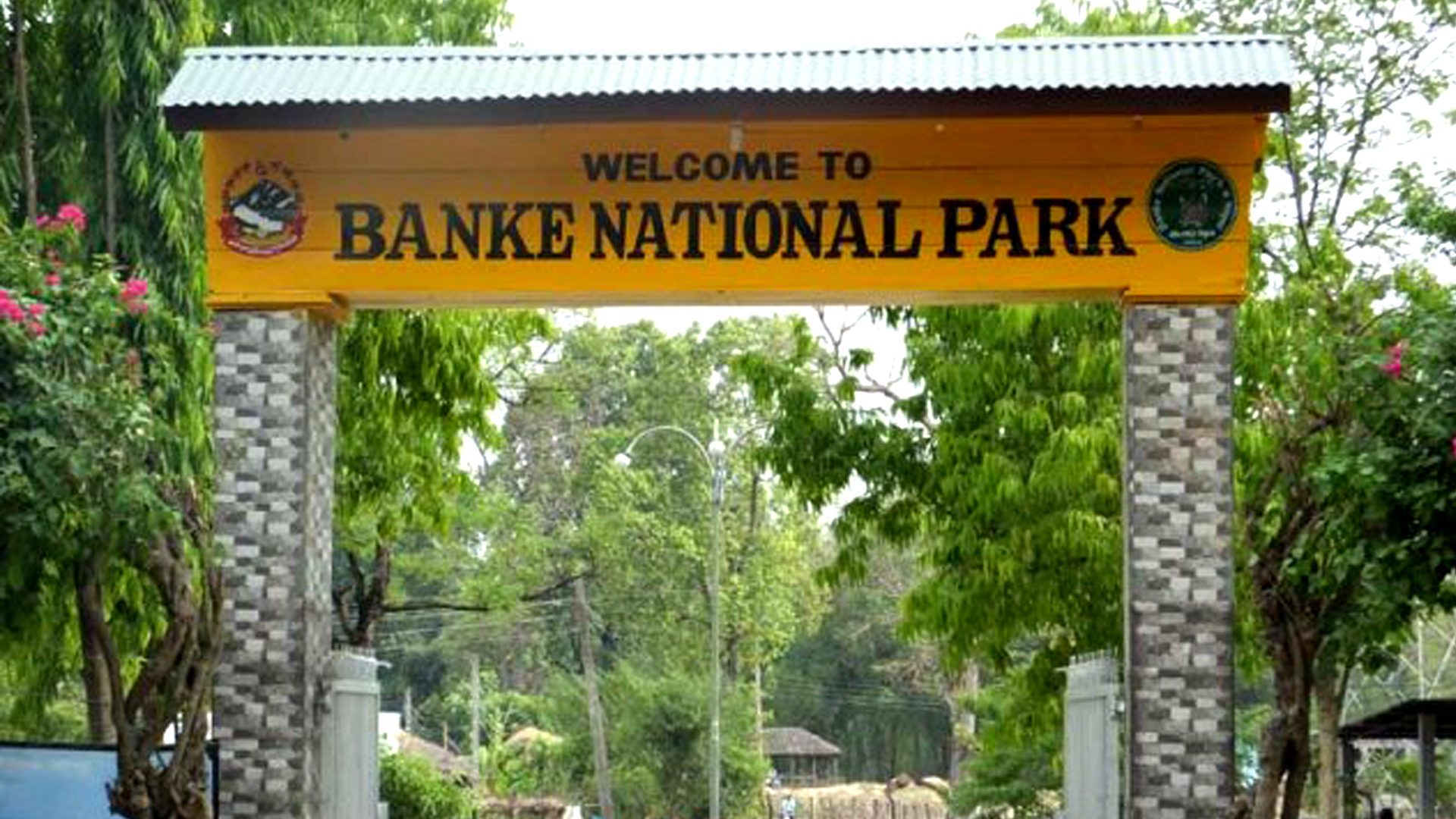
Located in the mid-western region of Nepal, Banke National Park stands as one of the country’s emerging eco-tourism destinations. Established on July 12, 2010, the park covers an area of 550 square kilometers, with an additional 343 square kilometers designated as a buffer zone. Recognized as Nepal’s 10th national park, it was once described as a “gift to the earth” due to its remarkable biodiversity.
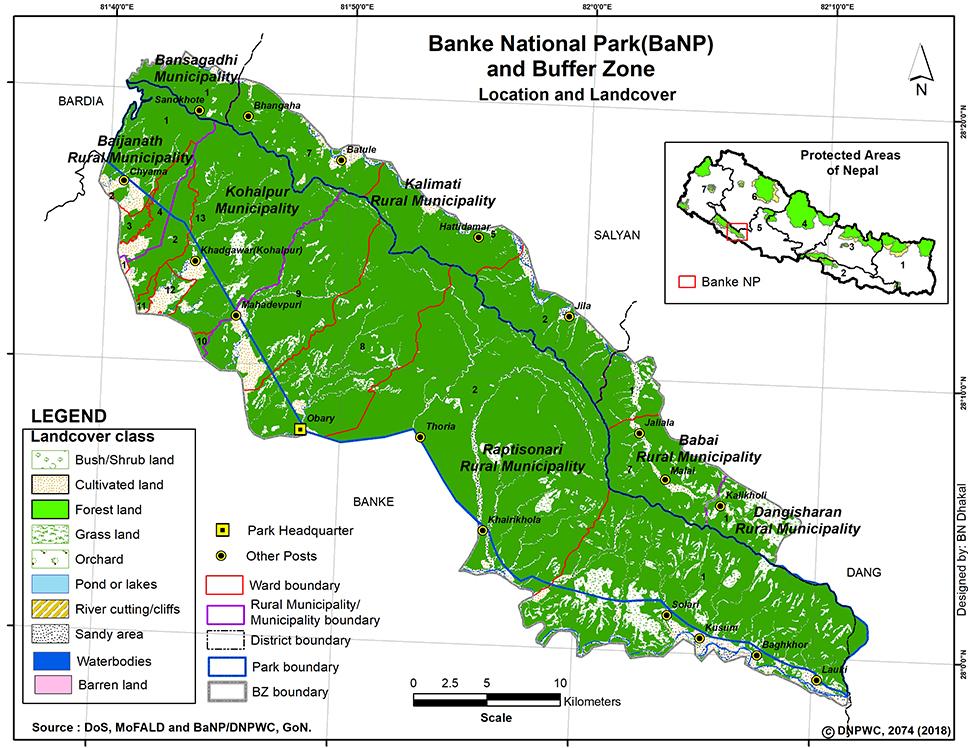
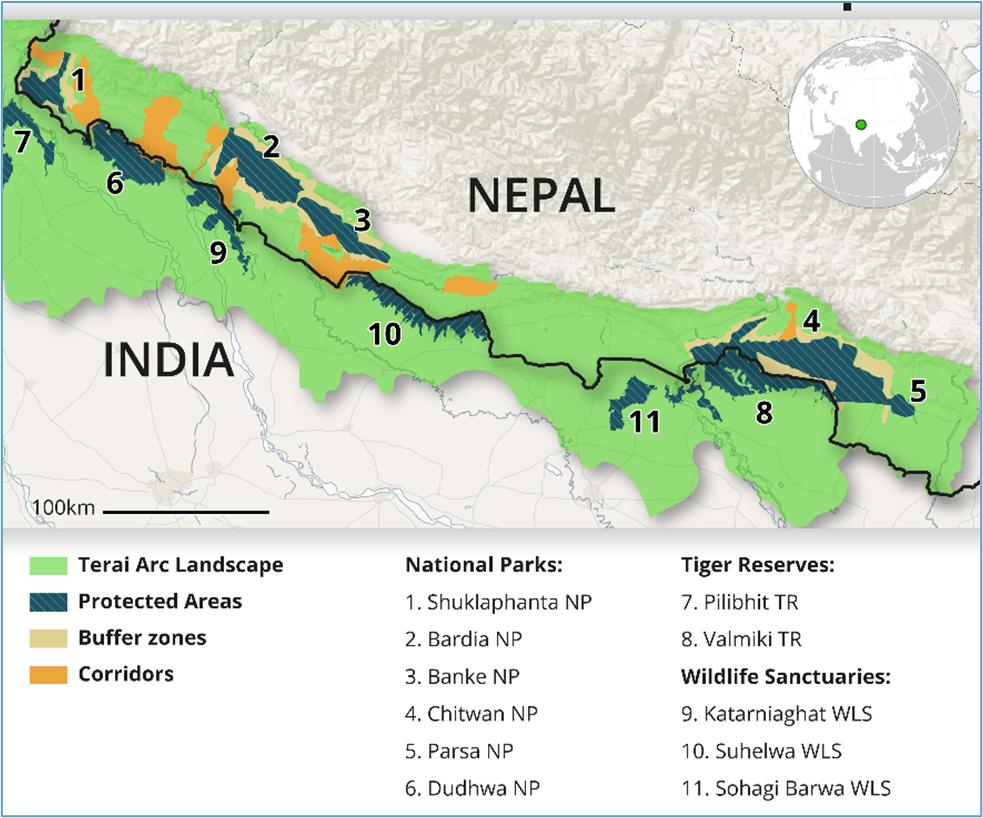
Situated in Lumbini Province, the park spans across Banke, Dang, and Salyan districts. It forms an ecological link with Bardiya National Park to the west and plays a crucial role in strengthening Nepal’s conservation network.
Strategic Location and Connectivity
Banke National Park is easily accessible, making it an attractive destination for both domestic and international tourists. The nearest major city is Nepalgunj, which is well connected by regular flights and bus services from Kathmandu.
From Nepalgunj, visitors can reach the park’s headquarters within an hour’s drive. For those traveling overland, it takes approximately eight hours from Mahendranagar and around seven hours from Dhangadhi. The park’s southern border also offers accommodation facilities, including hotels and homestays.
Rich Ecosystem and Natural Diversity
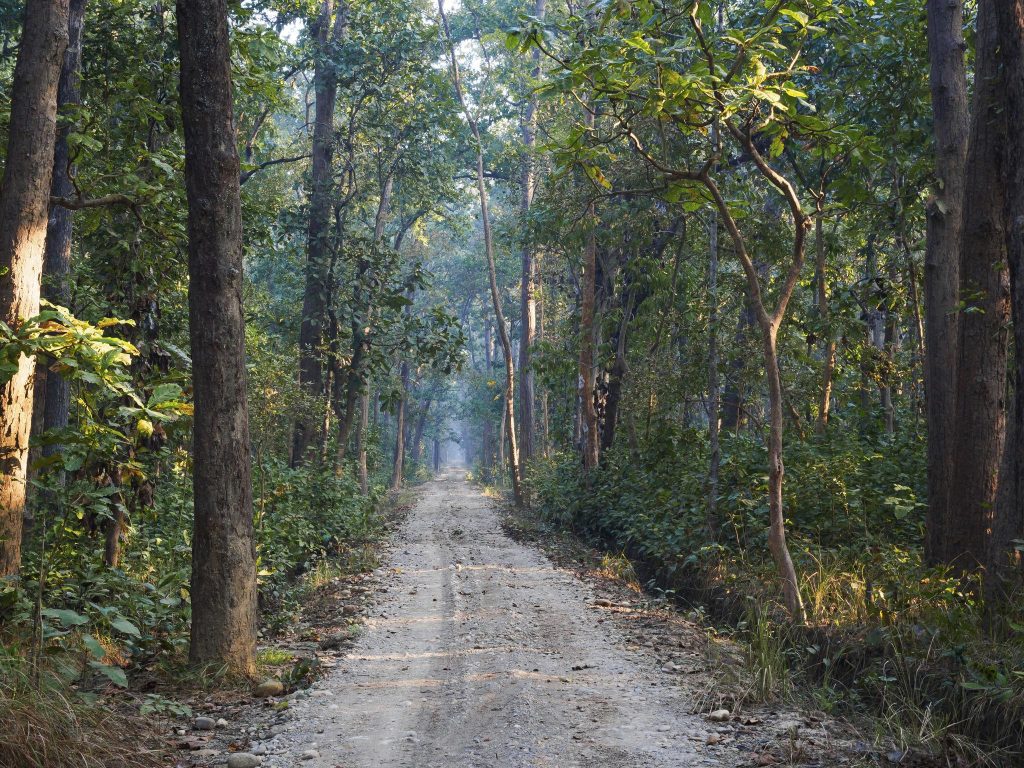
Banke National Park is a biodiversity hotspot, featuring eight distinct ecosystem types. These include:
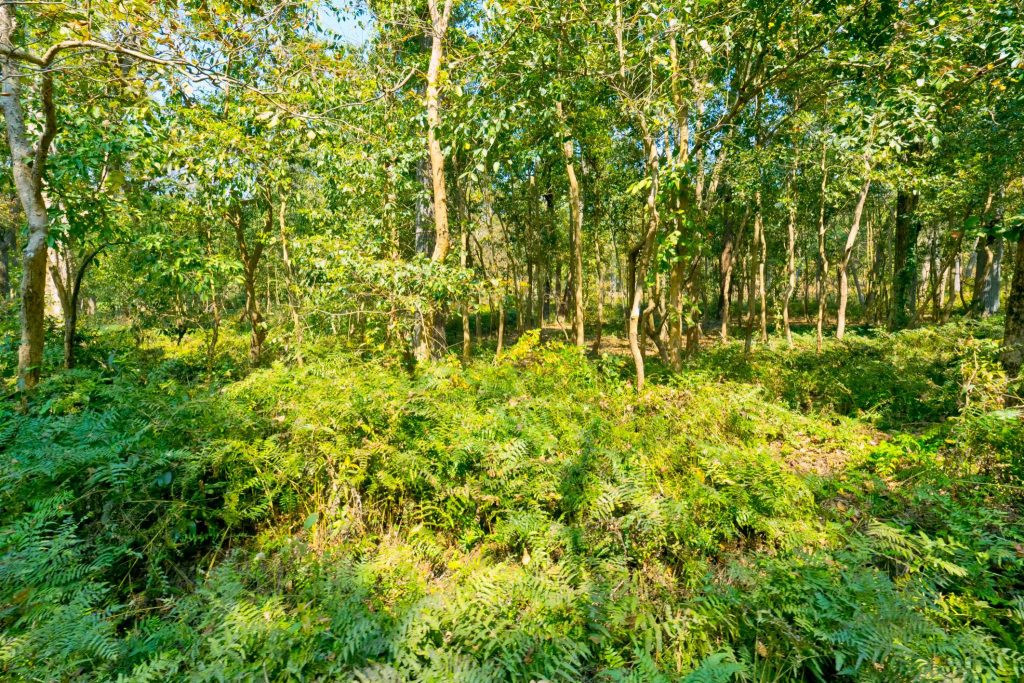
- Sal forests
- Mixed hardwood forests
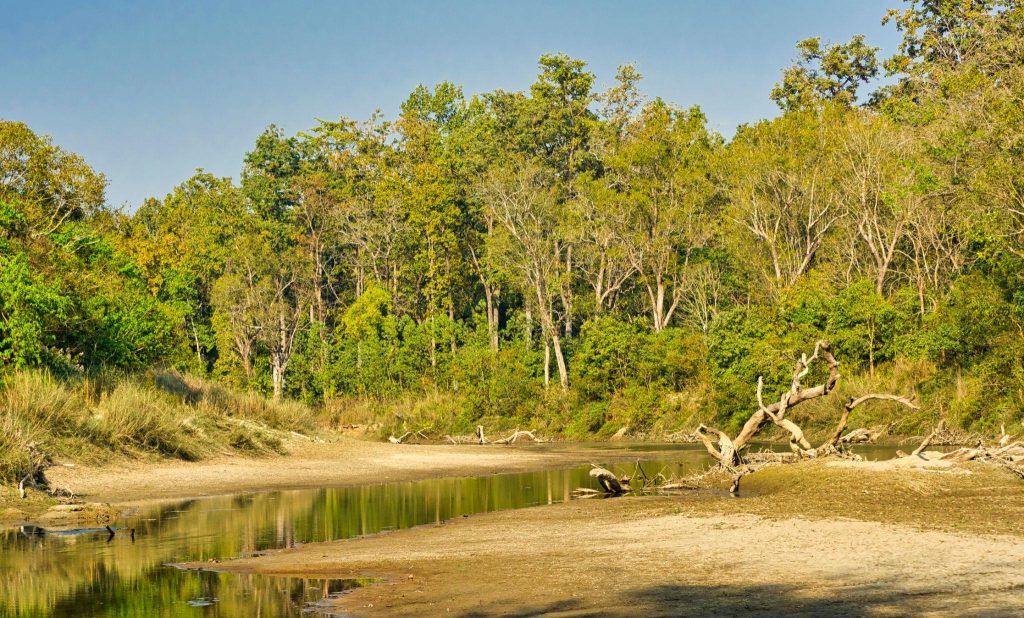
- Riverine forests
- Grasslands and savannas
- Bhabar zones
- Foothills of the Chure range
This ecological diversity supports a wide range of flora and fauna, making the park a vital conservation area within the Terai Arc Landscape (TAL). It also connects to India’s Katerniaghat Wildlife Sanctuary, creating a transboundary habitat corridor.
Wildlife in Banke National Park
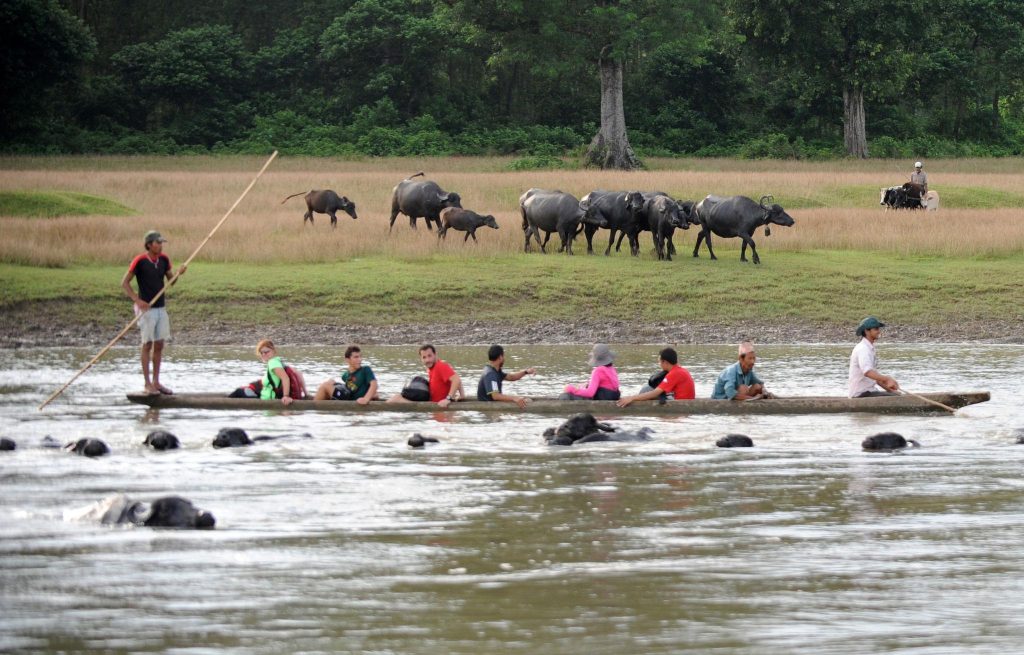
The park is home to an impressive variety of wildlife species:
- 34 species of mammals
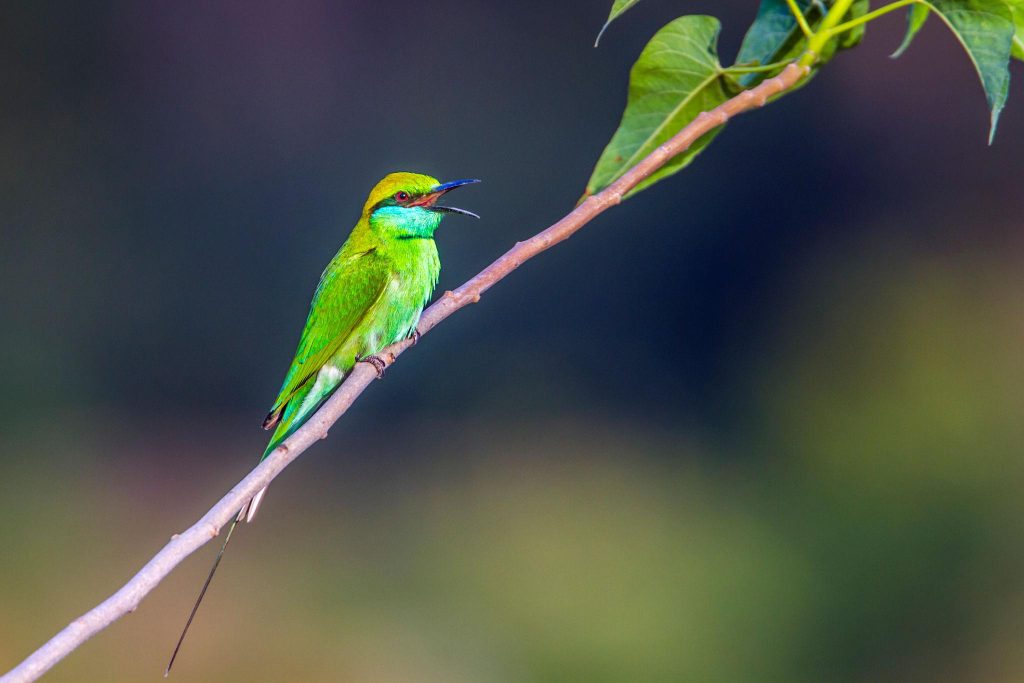
- Over 300 species of birds
- 58 species of fish
- 24 species of reptiles
- 7 species of amphibians
Among the most notable and protected species found here are:
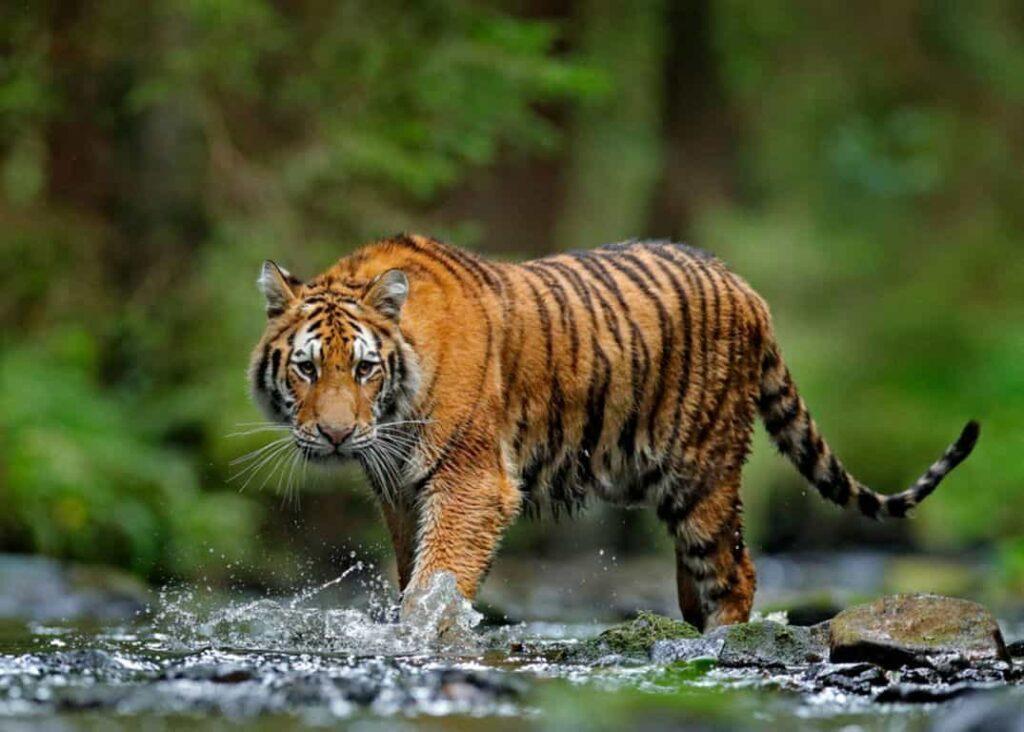
- Royal Bengal tiger
- Striped hyena
- Four-horned antelope
- Asian elephant
- Pangolin
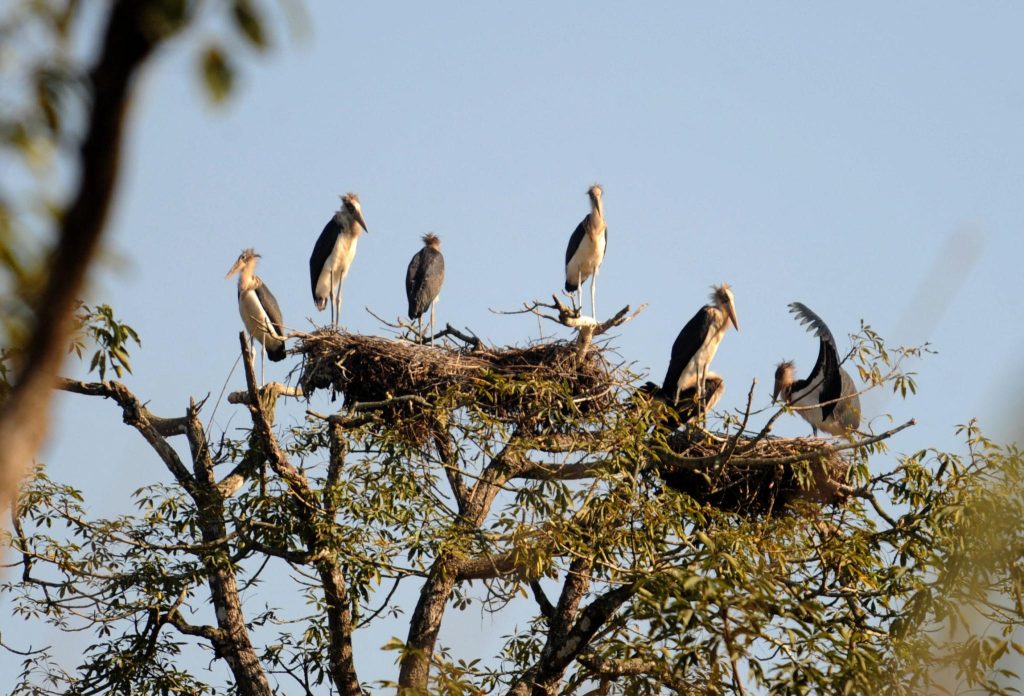
Bird enthusiasts can spot rare species such as the giant hornbill and black stork, while reptiles like the Asiatic rock python and golden monitor lizard add to the park’s ecological significance. According to a 2018 survey, Banke National Park is home to 21 Royal Bengal tigers, highlighting its importance as a tiger conservation area.
Climate and Best Time to Visit
Banke National Park experiences three distinct seasons:
- Winter (October to April): Dry weather with warm days and cool nights, ideal for wildlife viewing
- Summer (May to June): Hot temperatures with increasing humidity
- Monsoon (July to September): Heavy rainfall with lush greenery but limited accessibility
The best time to visit the park is during early summer and the autumn-winter period, when the weather is pleasant and wildlife sightings are more frequent.
Local Communities and Cultural Experience
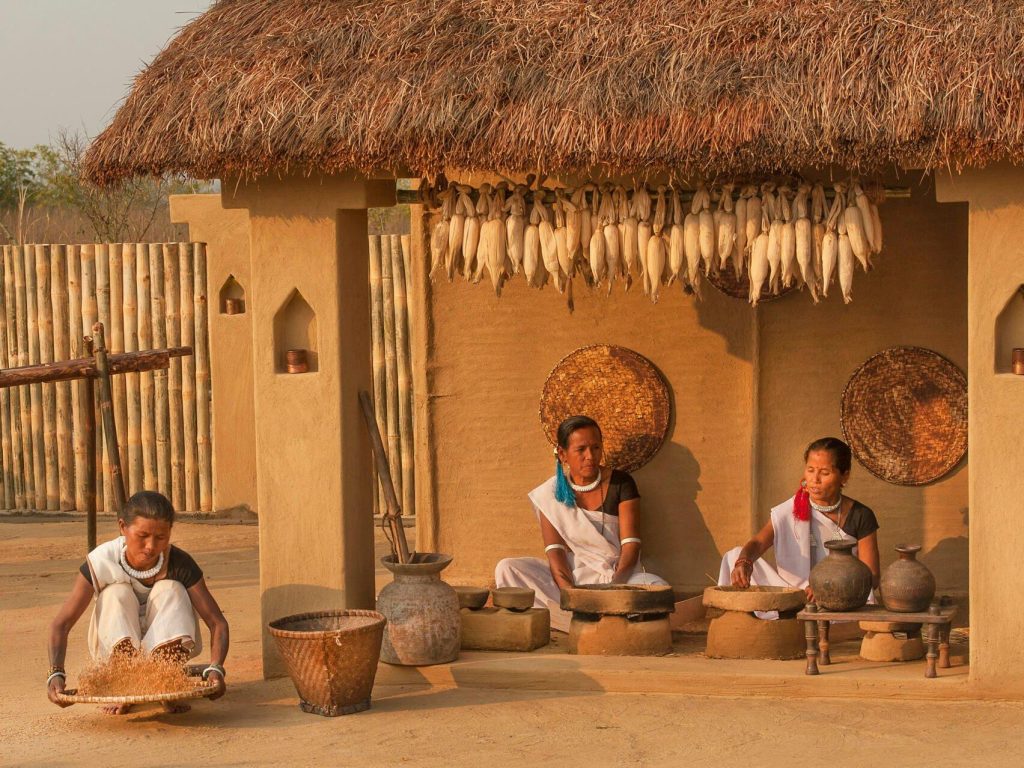
The buffer zone of Banke National Park is home to around 35,712 people living in 4,861 households. The area is inhabited by diverse communities including:
- Tharu (indigenous community)
- Brahmin and Chhetri
- Magar, Tamang, Gurung, and Majhi
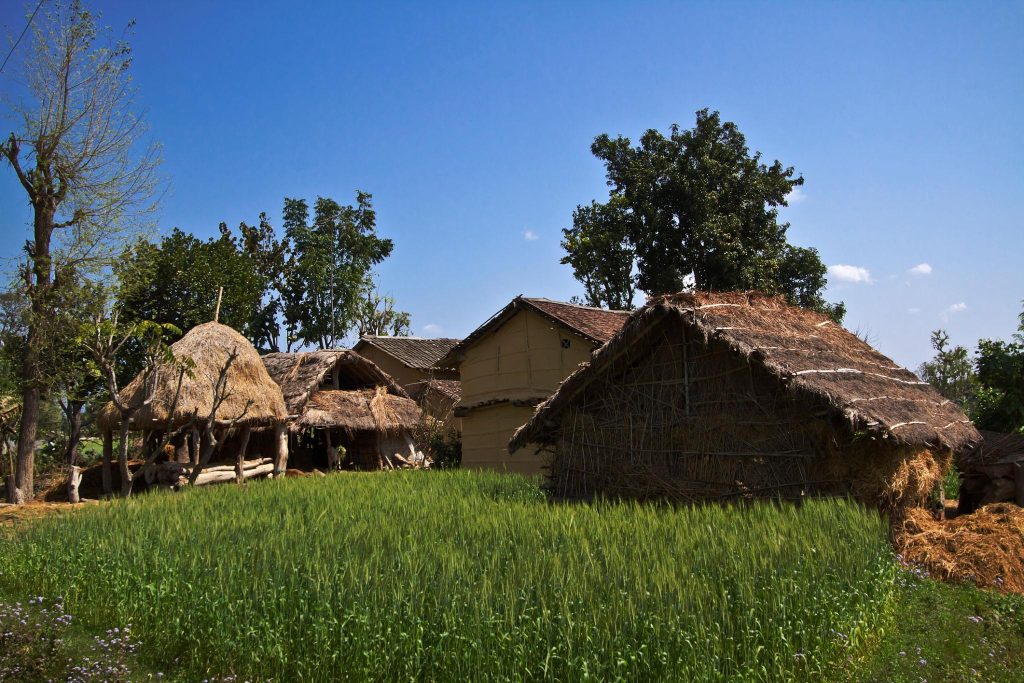
About 90% of the population depends on agriculture, while others engage in trade and labor. Visitors have the opportunity to experience authentic rural life through homestays, particularly within the Tharu community, known for its rich culture and traditions.
Activities and Experiences for Visitors
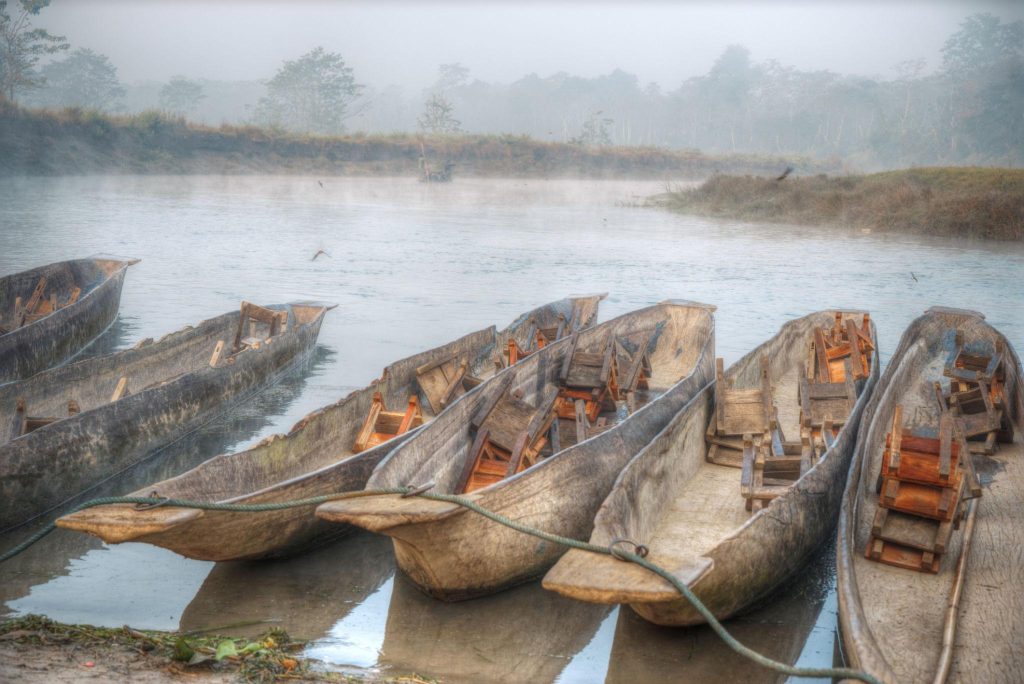
Banke National Park offers a wide range of activities for nature lovers and adventure seekers:
- Jungle safari (jeep or guided tours)
- Bird watching
- Hiking and nature walks
- Cycling through forest trails
- Boating in nearby rivers
- Fishing
- Tiger tracking
- Cultural homestay experiences
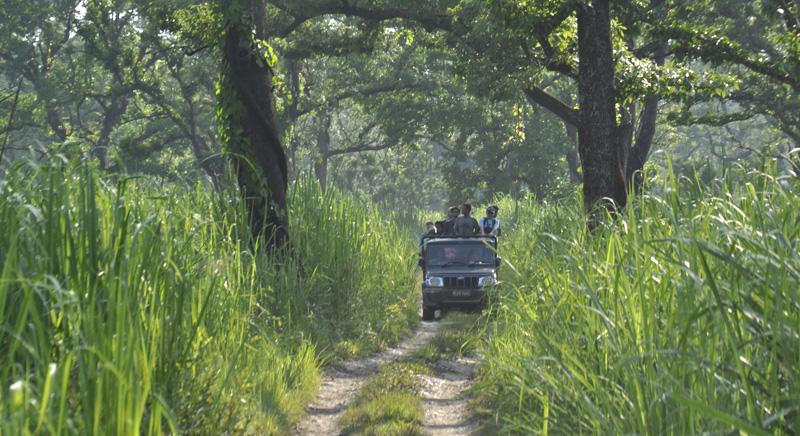
These activities provide visitors with a chance to explore the park’s wilderness while also engaging with local communities.
Conservation Importance and Future Potential
Banke National Park plays a crucial role in the conservation of endangered species, particularly the Royal Bengal tiger. As part of the Terai Arc Landscape, it contributes to regional biodiversity conservation efforts spanning Nepal and India.
Despite its ecological importance, the park remains relatively less explored compared to other national parks in Nepal. This presents an opportunity for sustainable tourism development that balances conservation with community benefits.
Banke National Park is a hidden gem that combines rich biodiversity, cultural heritage, and adventure tourism. With its diverse ecosystems, rare wildlife, and welcoming local communities, the park offers a unique and authentic experience for visitors seeking to explore Nepal beyond the Himalayas.

As awareness grows and infrastructure improves, Banke National Park has the potential to become one of Nepal’s famous eco-tourism destinations, contributing significantly to conservation and local livelihoods.