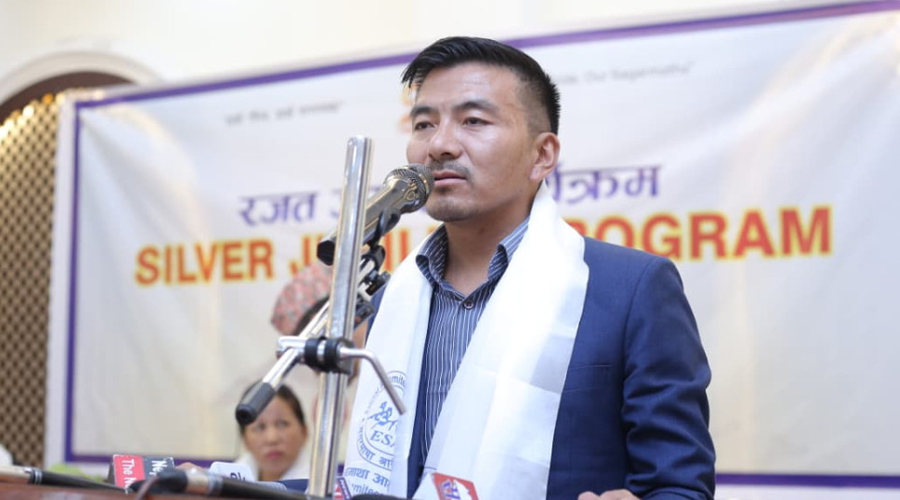
Calls have grown for Nepal to reform its Tourism Act to better protect the rights, safety, and welfare of Everest climbers and mountain guides, with stakeholders arguing that the country’s legal framework must keep pace with the realities of modern mountaineering and Nepal’s expanding mountain tourism industry. The issue was raised during a silver jubilee celebration marking the 25th anniversary of the Everest Summiteers Association, where speakers emphasized the need to make tourism legislation more relevant and climber-friendly. They said climbers and guides play a central role in promoting Nepal’s mountains internationally, yet many continue to face serious physical, social and economic risks without adequate protection and support.
Calls grow for reform of Nepal’s outdated tourism law
Mingma David Sherpa, a member of the House of Representatives, said the existing Tourism Act needs to be revised to reflect the changing needs of Nepal’s tourism sector and to ensure the rights of mountaineers. He pointed out that the legislation was introduced in 2035 B.S. and has not undergone a comprehensive transformation despite major changes in the country’s tourism and mountaineering industries.
Sherpa described the present situation as an opportunity to modernize the legal framework and establish stronger provisions for climbers. He said he had been elected to Parliament with a responsibility to raise the concerns of mountaineers and pledged to work seriously toward addressing their issues. He also said that despite 73 years of Everest climbing history, many climbers have yet to receive adequate recognition, protection and security for the risks associated with their profession.

He highlighted the human cost of mountaineering, noting that Nepal has lost numerous climbers over the years, leaving families without their loved ones and children without parents. According to him, questions surrounding what the government has done to protect climbers remain unresolved. He also linked the issue to the country’s growing youth migration, arguing that Nepal needs to create meaningful opportunities within the tourism sector so that young people can see a viable future at home.
Mountain tourism seen as vital to Nepal’s development
Phur Gelje Sherpa, president of the Nepal Mountaineering Association, said the development of mountain tourism is closely connected with Nepal’s broader economic development. He described Nepal as one of the world’s leading tourism destinations and called for greater efforts to develop, promote, market and conserve the country’s mountain resources.
The Nepal Mountaineering Association has also been recognizing climbers for their contributions to mountaineering, with the organization presenting honours to climbers every two years. Such recognition, participants said, is important because mountaineers and mountain guides are among the people directly responsible for showcasing Nepal’s Himalayan destinations to the international community.
The discussions also highlighted the need to look beyond the economic contribution of mountaineering and address the people working at the heart of the industry. Climbers and guides operate in some of the world’s most demanding environments, where extreme cold, avalanches, difficult terrain and rapidly changing mountain conditions can pose serious threats to their lives.
Association calls for stronger welfare and social protection
Maya Sherpa, president of the Everest Summiteers Association, called for effective government policies to protect the safety, rights, welfare and social security of climbers and mountain guides. She also proposed the establishment of a separate welfare fund to provide longer-term support to people working in the mountaineering sector. She said climbers and guides risk their lives to promote Nepal’s tourism and mountaineering industry around the world, making it necessary to ensure that their future is protected. A dedicated welfare mechanism, she argued, could provide a more reliable form of assistance to climbers and guides facing accidents, injuries, loss of income or other difficulties associated with their work.

Dibas Pokharel, first vice-president of the association, said climbers and guides regularly face extreme cold, avalanches and other potentially life-threatening conditions during expeditions, with some losing their lives while working in the mountains. He called for clear and practical policies at both the association and provincial levels to strengthen their safety and protect their rights.
Pokharel also stressed that the international image of Nepal’s mountains often overshadows the difficult reality experienced by the people who climb them. While visitors around the world admire the country’s high, snow-covered peaks, he said the struggles, risks and sacrifices of the climbers and guides who carry Nepal’s national identity to those summits often receive far less attention.
Calls for medical care and education support for families
Shiv Bahadur Sapkota, general secretary of the Everest Summiteers Association, urged the government to ensure free and quality medical treatment for climbers injured in accidents. He also called for higher education opportunities and scholarship support for children of climbers who lose their lives during mountaineering activities.
Sapkota argued that the long-term sustainability of Nepal’s tourism industry cannot be separated from the welfare of the people working within it. He said climbers and guides must be provided with stronger social and economic security if Nepal is to build a sustainable mountain tourism industry.
The concerns raised during the anniversary programme reflect a broader debate about how Nepal can balance the economic importance of mountaineering with the responsibility to protect the people who make the industry possible. As Everest and other Himalayan peaks continue to attract climbers from around the world, stakeholders are calling for a legal and institutional system capable of providing stronger protection to those working in the mountains.

Everest climbers and tourism journalists honoured
The anniversary programme also recognized successful Everest climbers and journalists who have contributed to mountain tourism through their reporting and writing. The honours acknowledged both the achievements of mountaineers and the role of the media in documenting Nepal’s Himalayan tourism and bringing mountain-related issues to wider public attention.
The Everest Summiteers Association also released its silver jubilee commemorative publication during the event. The publication marked 25 years of the association’s activities while providing another platform to highlight the achievements, challenges and contributions of Nepal’s mountaineering community.
The anniversary gathering ultimately placed the welfare of climbers and guides at the center of discussions about Nepal’s future tourism policy. With stakeholders calling for an updated Tourism Act, stronger safety measures, social protection and dedicated welfare support, the message from the event was clear: protecting the people who promote and sustain Nepal’s mountain tourism must become an integral part of the country’s tourism development agenda.