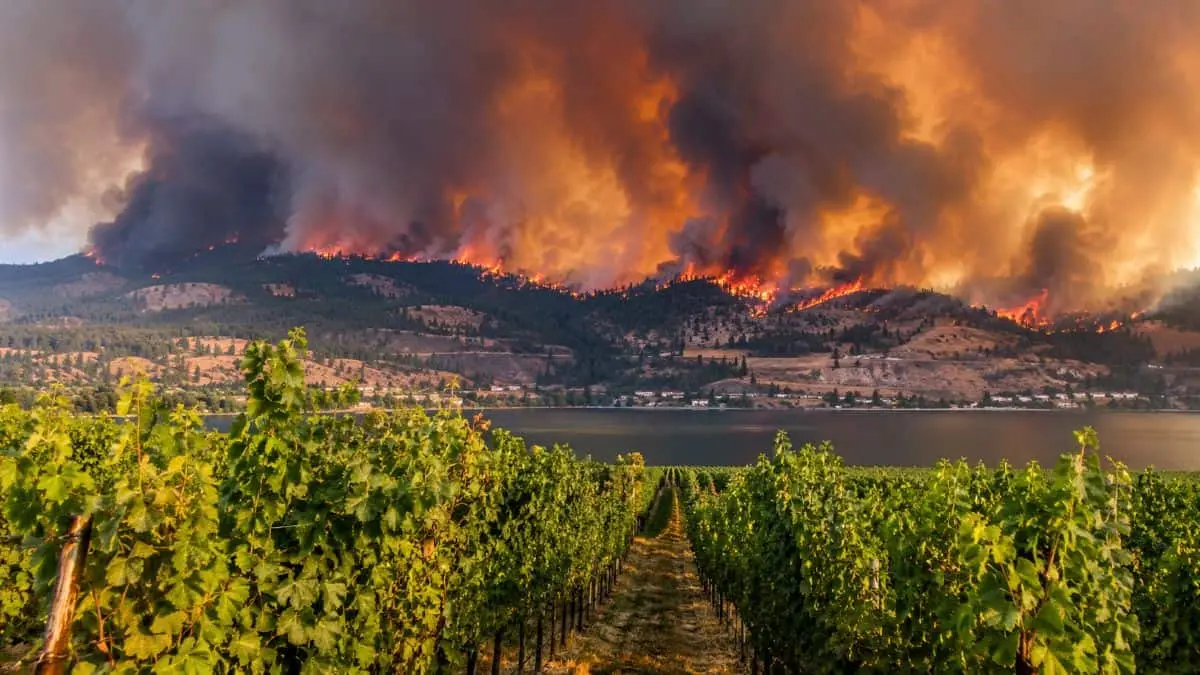
More than 20,000 people have been evacuated from communities in British Columbia’s Okanagan region as a rapidly spreading wildfire threatens towns around Okanagan Lake, destroying structures and forcing authorities to take emergency measures to protect residents and visitors.
Summerland and Peachland under evacuation orders in British Columbia
The Bald Range wildfire, which was first reported Friday evening, expanded rapidly to approximately 50 square kilometres, overwhelming the smaller community of Faulder before moving toward Summerland. Authorities issued evacuation orders covering the entire town of Summerland, home to about 12,000 people, along with roughly 8,000 residents in and around neighboring Peachland. Emergency crews are assessing the extent of property damage as the fire continues to threaten communities in the region. The rapid spread has placed significant pressure on firefighters, emergency personnel and local authorities working to protect people and infrastructure.

Federal government promises full support
Canadian Prime Minister Mark Carney has pledged federal assistance to British Columbia as provincial authorities respond to the growing wildfire emergency. Carney expressed support for evacuated residents and emergency crews, saying the federal government was prepared to assist the province and help affected communities. Federal emergency management officials are coordinating with British Columbia to ensure assistance reaches people forced from their homes. Canada’s Minister of Emergency Management and Community Resilience, Eleanor Olszewski, also confirmed that the federal government had approved British Columbia’s request for emergency assistance to provide shelter and accommodation for displaced residents.
Wildfire disrupts a major tourism region
The emergency also has significant implications for tourism in the Okanagan Valley, a region known for its lakes, wineries, outdoor recreation, accommodation businesses and summer travel. The communities around Okanagan Lake attract visitors during the summer season, making the wildfire a serious disruption for tourists as well as local tourism operators. Evacuation orders and safety restrictions can force visitors to cancel or change their travel plans, while hotels, restaurants, tour operators and other tourism businesses may face sudden losses. The fire also raises concerns about road access, air quality and visitor safety, particularly as smoke and emergency operations affect movement through the region.
Travel safety becomes a major concern
For travelers already in or planning to visit the affected areas, safety remains the immediate priority. Evacuation orders can result in road closures, changes to transportation routes, and restricted access to recreational and tourist sites. Tourism businesses in affected communities may also be required to close temporarily or operate under emergency restrictions. The situation could become more challenging if the wildfire continues to expand or if evacuation zones are extended.
Firefighters battle rapidly spreading flames
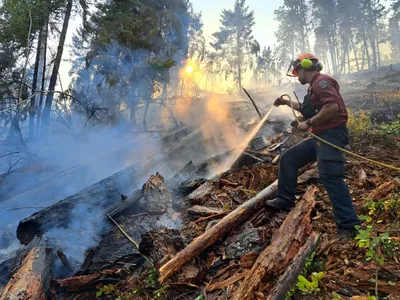
The wildfire’s rapid expansion has created difficult conditions for emergency crews. Firefighters and first responders are working continuously to contain the blaze and protect communities in its path. The movement of the fire from Faulder toward Summerland demonstrates how quickly wildfires can threaten populated and tourism-dependent areas during periods of elevated fire danger.
A wider wildfire challenge for British Columbia
The Bald Range wildfire is part of a broader wildfire threat affecting British Columbia during the summer season. Large fires can place enormous pressure on provincial emergency services while forcing communities to evacuate and disrupting transportation, accommodation and local businesses. For tourism-dependent destinations, the consequences can extend beyond the immediate evacuation period. Cancellations, reduced visitor numbers, damaged infrastructure and prolonged access restrictions can affect local businesses even after a fire has been brought under control.

Tourism recovery depends on safety and reopening
The immediate focus remains on protecting lives, supporting evacuated residents and containing the wildfire. Federal and provincial authorities are coordinating emergency assistance while firefighters and first responders continue their work on the ground. For the Okanagan tourism industry, recovery will depend on the fire being brought under control and affected communities being declared safe for residents and visitors to return.
The crisis is a reminder of the growing vulnerability of summer tourism destinations to wildfires, particularly in regions where communities, natural attractions and tourism businesses are closely connected. While emergency response remains the priority, the scale of the evacuation shows how quickly a wildfire can transform a popular travel region into an emergency zone.