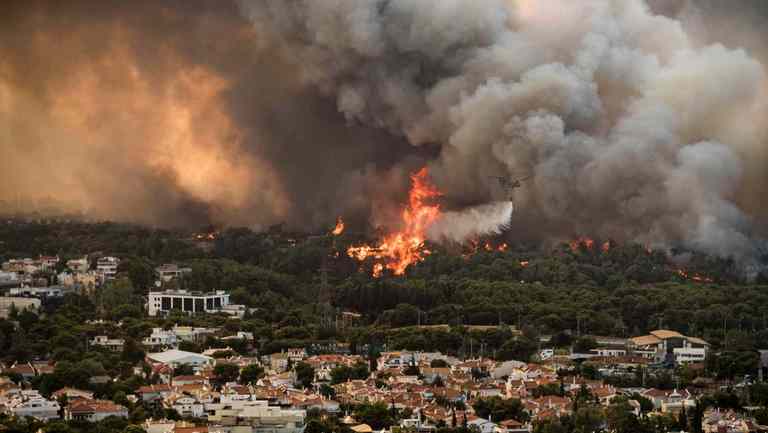
A new wildfire erupted southeast of Athens in Greece on Monday as strong winds fueled the rapidly spreading flames, prompting authorities to order evacuations and placing renewed attention on travel safety in one of Greece’s busiest summer tourism regions. The wildfire broke out in Kouvaras, around 60 kilometers southeast of Athens in the Attica region. With winds exceeding 70 kilometers per hour and gusts reportedly reaching much higher speeds, firefighters faced difficult conditions while working to contain the blaze. The latest fire comes just days after another major wildfire affected areas northwest of Athens, highlighting the growing challenges posed by extreme summer fires to residents, visitors and tourism activities across Greece.
Evacuation Order Issued Near Athens
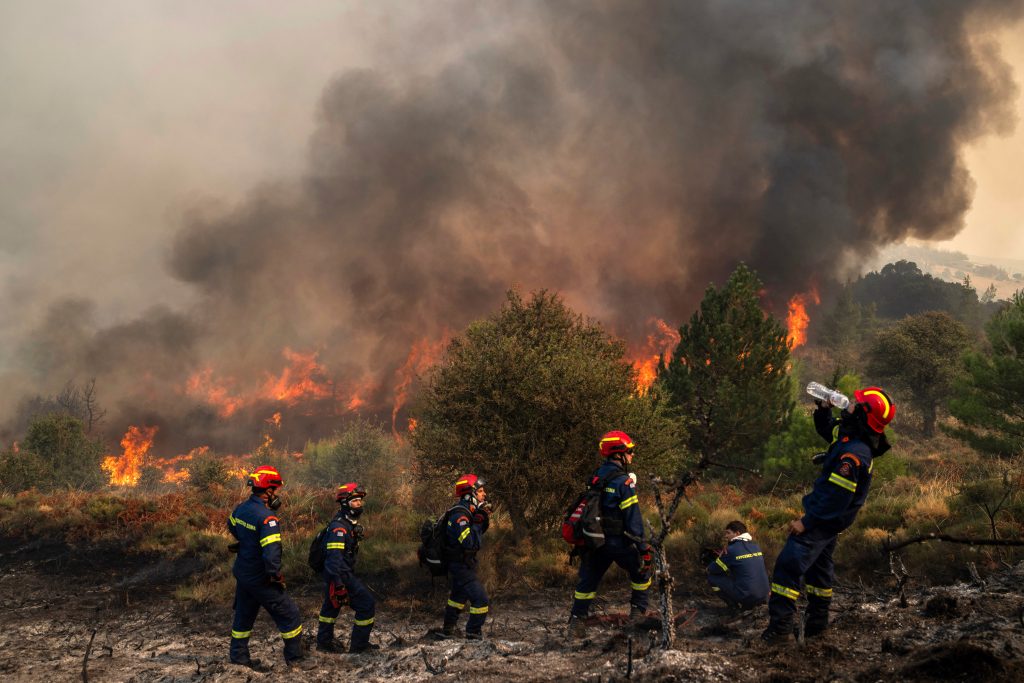
Authorities ordered the evacuation of Agios Stylianos, a village near Kouvaras, as the fire approached populated areas. The Greek Fire Service deployed at least 172 firefighters and around 40 vehicles to fight the blaze. Two water-bombing aircraft and four helicopters were also mobilized to assist ground crews and prevent the fire from spreading further. The evacuation measures and firefighting operations have raised concerns for travelers staying or moving through affected areas, particularly during Greece’s busy summer tourism season.

Wildfires Raise Travel Safety Concerns
Greece is one of Europe’s most popular summer destinations, attracting large numbers of international and domestic visitors to Athens and surrounding coastal and island regions. Wildfires in and around Attica can affect travel plans by creating temporary road restrictions, evacuation zones, transport disruptions and limitations on outdoor activities. Tourists staying near affected areas may also be required to relocate if authorities issue evacuation orders. Visitors are therefore being encouraged to follow official emergency instructions and monitor local fire and weather alerts when traveling through high-risk regions.
Athens Region Faces Repeated Fire Threat
The latest incident marked the second major wildfire near Athens this summer. A previous fire that began about 10 days earlier in an area northwest of the capital destroyed more than 11,000 hectares of pine forest and agricultural land. Strong winds, with gusts reaching up to 130 kilometers per hour, made firefighting particularly difficult, and it took authorities five days to bring the blaze under control. Two helicopter crew members also died in a collision involving another helicopter while fighting the earlier fire. The repeated incidents have increased concerns about the safety of residents and visitors during Greece’s peak travel period.
Climate Change Increases Wildfire Risks
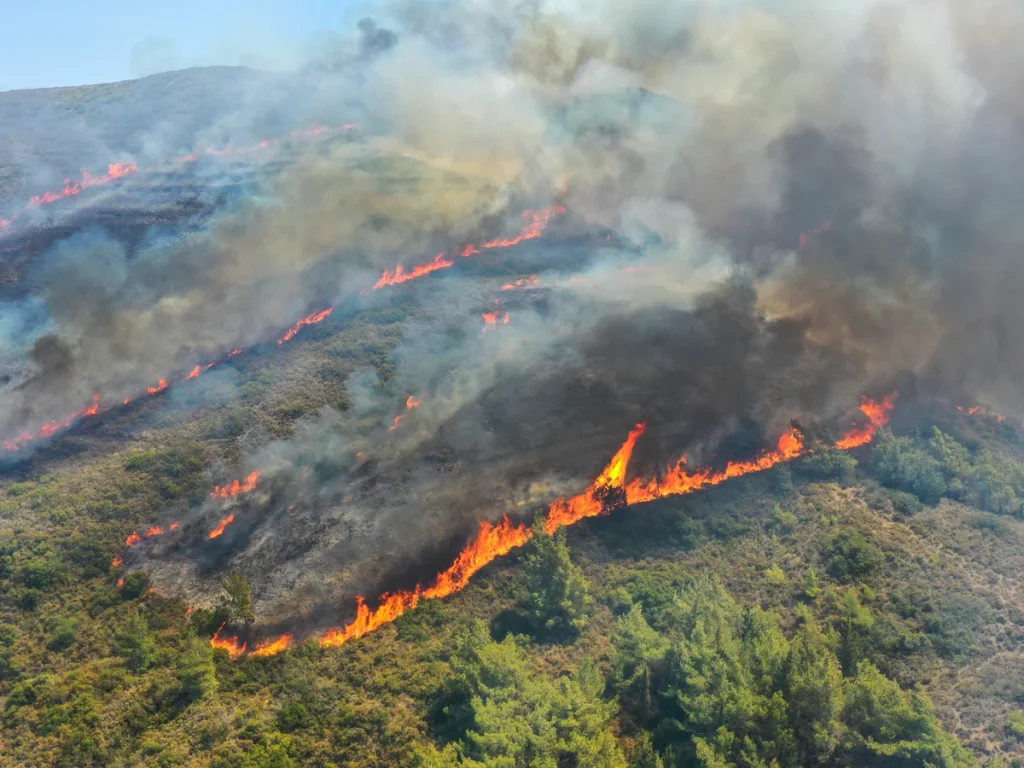
Greece, like many countries across the Mediterranean, has experienced increasingly frequent and intense wildfires in recent years. Scientists have linked the growing severity of extreme fires to climate change, with higher temperatures, prolonged dry periods and strong winds creating conditions in which fires can spread rapidly. Authorities have kept Greece on extreme fire alert, with several regions continuing to face very high wildfire risks.

Growing Impact on Tourism
The increasing frequency of wildfires presents a major challenge for Greece’s tourism sector, which depends heavily on summer visitors. Wildfires can temporarily affect hotels, restaurants, tour operators and outdoor tourism businesses located near affected areas. Hiking, camping, nature excursions and other outdoor activities may also be restricted when fire danger reaches critical levels. Beyond immediate disruptions, repeated fires can influence travelers’ destination choices and create concerns about visiting areas perceived to have high wildfire risks. The Attica region is particularly important because it includes Athens, a major gateway for international tourists traveling to mainland Greece and the country’s islands.
Attica Faces Long-Term Environmental and Tourism Pressure
Experts have warned that wildfire severity in Attica is increasing. Between 2017 and 2026, around 42 percent of the region’s total forest area was reportedly burned in 15 major fires. The scale of repeated fires poses challenges not only for environmental conservation but also for the long-term sustainability of nature-based and outdoor tourism. As Greece continues to experience extreme summer weather, authorities face the challenge of protecting communities and visitors while maintaining tourism activities in one of Europe’s most popular travel destinations. For tourists currently traveling in Greece, monitoring official fire warnings, avoiding restricted areas, and following evacuation instructions remain essential as authorities continue to battle the latest wildfire near Athens.