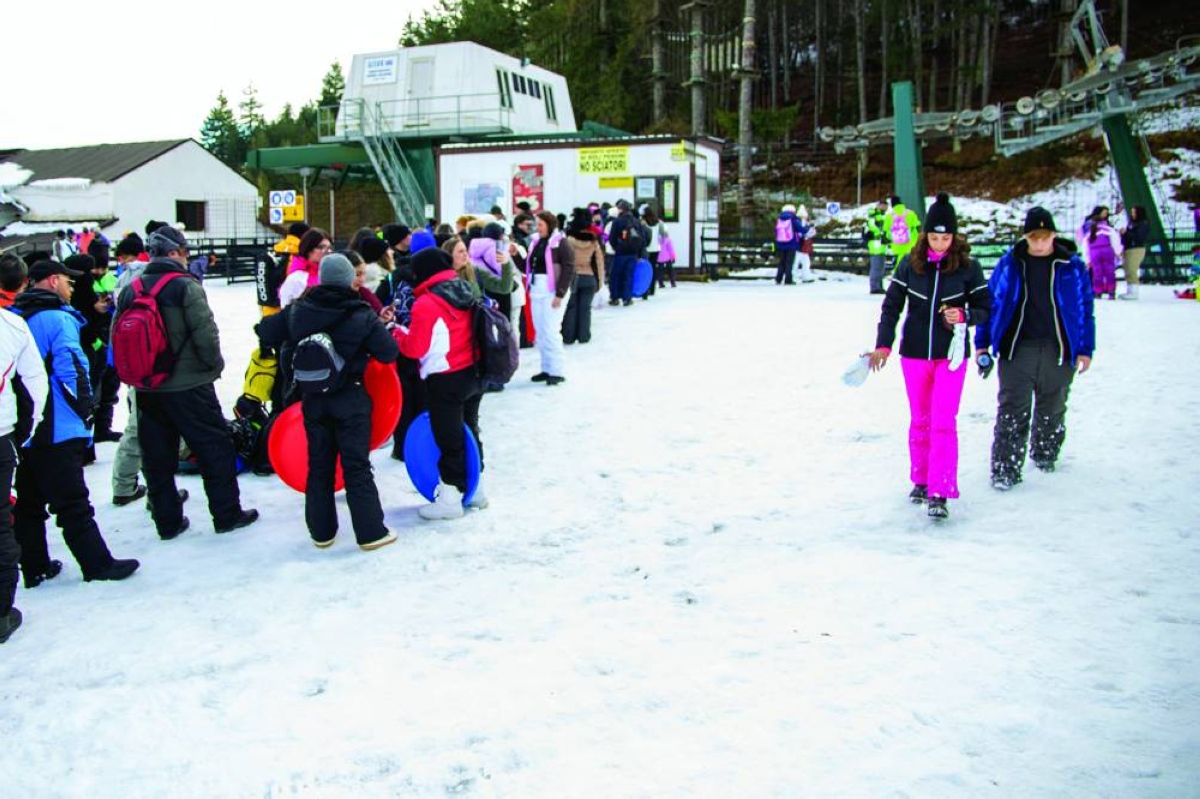
Every winter weekend, buses roll steadily into Roccaraso, a small mountain town nestled in central Italy’s Apennines, unloading thousands of visitors dressed in brightly coloured ski jackets and snow boots. Most come not for elite winter sports, but simply to experience snow, fresh mountain air, and a brief escape from city life. For many day-trippers from Naples, Roccaraso has become a symbol of accessible, low-cost winter tourism, bringing both economic opportunity and growing tensions.
Unlike Italy’s prestigious Alpine resorts that host international competitions and this month’s Winter Olympics, Roccaraso represents a more modest version of winter leisure. Its streets fill with families, elderly visitors, and first-time snow-seekers who are just as happy sledding or walking as they are skiing. “We don’t ski, but we have fun with sleds,” laughed Anna Lippolis, a 58-year-old hairdresser from Naples, as she queued for the chair lift. Wearing a retro pink ski jacket, she said she took a €30 return bus simply to unwind after a long week. “Sometimes I even slide with a plastic bag under me,” she joked.

Day-Trippers vs Locals
The surge in visitors has sparked debate among residents and frequent skiers, reflecting broader challenges faced by mountain destinations across Europe. Roccaraso’s only slope accessible on foot, located at 1,200 metres above sea level, has long been closed to skiers and is now mainly used by children. Visitors instead take the chair lift for panoramic views before walking, sledding, or riding back down.
Nearby Alto Sangro, a larger ski area just 10 minutes away, offers more than 100 kilometres of slopes reaching 2,100 metres and attracts around 500,000 visitors annually. However, some regular skiers complain that day-trippers disrupt the atmosphere. Loud music, crowded slopes, and visitors more interested in sunbathing and drinking than skiing have caused frustration.
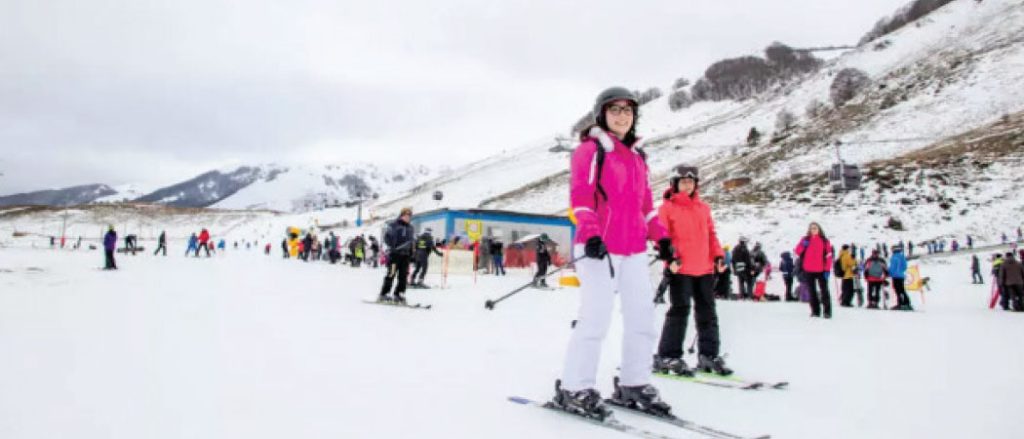
“People who don’t ski come and ruin the environment and the concept of sport here,” said Kikka Misso Gentile, a Naples resident who owns a holiday home in Rivisondoli. The issue gained international attention last year when over 250 buses, carrying up to 13,000 people, arrived in one day after a TikTok influencer promoted the destination.
Managing Mass Tourism
In response, local authorities introduced crowd-control measures, including limits on bus arrivals. On recent peak days, buses were capped at 50, and wardens were deployed to manage crowds. While many residents accept the need for tourism, concerns remain about sustainability.
“Everyone has the right to enjoy the snow,” said Nicola Pitucci, a Roccaraso homeowner. “But limiting numbers is necessary. The town doesn’t have the infrastructure to host tens of thousands of people in one day.” His concerns echo those of many small mountain communities facing sudden popularity without matching facilities.
Rising Costs, Changing Winters
For many visitors, skiing itself is simply unaffordable. A single day can cost around €200 per person once travel, equipment hire, and ski passes are included. Although skiing in Italy remains cheaper than in France or Switzerland, consumer groups warn that ski pass prices have risen by up to 10 percent in some resorts, pushing the sport further out of reach.
Despite these challenges, Italy’s winter tourism industry remains resilient. According to tourism expert Laurent Vanat, Italy recorded its best ski seasons in 2022-23 and 2023-24. However, climate change is reshaping the sector. Declining snowfall is shortening seasons, forcing resorts to rely heavily on artificial snow, used on over 90 percent of Italy’s slopes.
Rethinking Mountain Tourism
Environmental experts warn that artificial snow is only a temporary solution. “It’s a stop-gap,” said Antonio Montani, president of the Italian Alpine Club. He believes mountain destinations must diversify beyond skiing, especially lower-altitude resorts like Roccaraso, which can promote hiking, cycling, cultural tourism, and nature-based experiences.

“The Apennines are rich in history, culture, and untouched landscapes,” Montani said, arguing that sustainable tourism models are the future. From Sicily’s Mount Etna, where visitors can ski on the slopes of an active volcano, to family-friendly snow outings in towns like Roccaraso, Italy’s winter tourism is evolving.
As travel trends shift and climate realities intensify, destinations that balance accessibility, sustainability, and community needs may define the next chapter of European mountain tourism.