
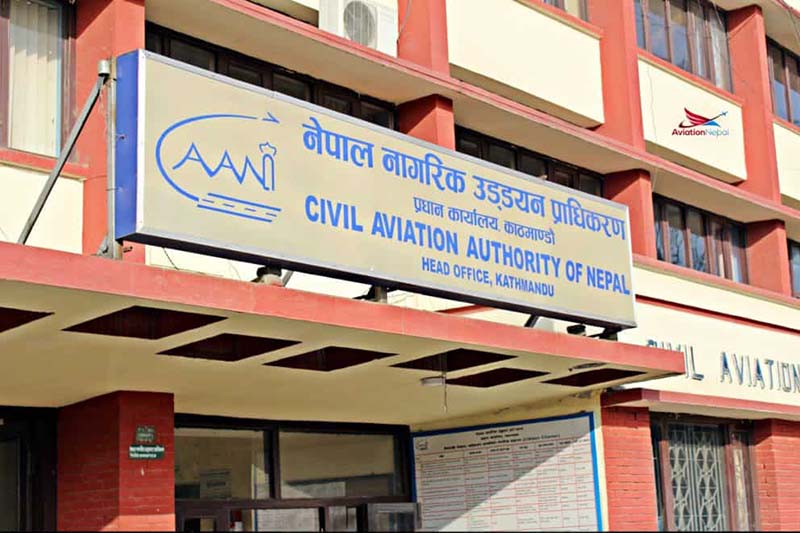
The Civil Aviation Authority of Nepal (CAAN) has outlined safety precautions for airport operators, aircraft operators and flight crews to help manage aviation risks associated with adverse weather conditions. The authority’s 2026 safety circular highlights the importance of timely weather information, runway inspections and coordination among aviation personnel to support safe airport and flight operations.
The guidance addresses several operational risks, including wind shear, severe turbulence, water accumulation on runways, windblown debris and possible disruptions to flight operations. It also emphasises weather assessment, communication between relevant teams and preparedness for situations that may require operational adjustments.
Weather Monitoring and Timely Flight Alerts
The circular highlights the need to issue immediate weather alerts for aircraft landing at and departing from airports. It also calls for pilot reports of wind shear and severe turbulence to be recorded and for meteorological offices to be informed when thunderstorms or other significant weather conditions are anticipated.

Timely weather information helps aviation personnel assess changing conditions and respond according to established safety procedures. Coordination between flight crews, airport teams and meteorological services is therefore an important element of the precautions outlined in the circular.
Runway Inspections and Airport Infrastructure
The guidance calls for airport operations, civil engineering and airside teams to coordinate in monitoring runway and taxiway conditions during adverse weather. Particular attention is given to drainage, water accumulation and pooling, which can increase the risk of hydroplaning and affect aircraft operations.

Frequent runway inspections are also recommended to identify debris carried by strong winds and other potential hazards. The circular further highlights the importance of maintaining airfield lighting systems and issuing notices to airmen when deterioration affects their operational condition.
Flight Planning and Operational Preparedness
Aircraft operators and flight crews are advised to conduct thorough weather assessments before flights and consider the possibility of delays, holding patterns or diversions. Appropriate fuel planning and compliance with applicable operational procedures are also highlighted as important precautions when weather conditions may affect planned operations.

These measures are intended to support informed operational decisions when conditions change. The circular focuses on preparedness and risk management rather than announcing specific flight cancellations or a nationwide restriction in the portion provided.
Coordination and Safety Awareness
The circular also emphasises the need to maintain emergency response arrangements, communication facilities and other essential aviation infrastructure. Monitoring potential hazards and reporting significant safety occurrences through established channels are among the measures intended to support operational readiness.
For passengers travelling within Nepal, adverse weather may affect flight schedules, so checking updates directly with airlines before travelling is advisable. The circular’s main requirements and recommendations, however, are directed at aviation operators and relevant personnel responsible for implementing safety procedures.