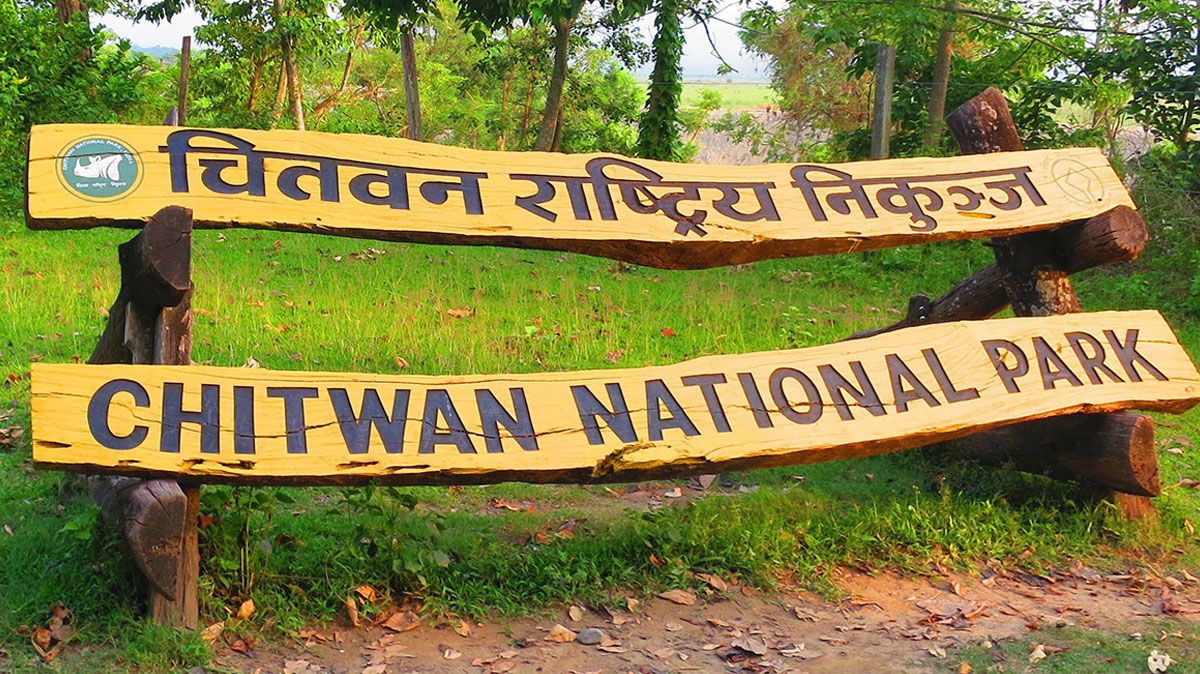
Chitwan National Park, located in the subtropical lowlands of south-central Nepal, stands as one of the country’s most cherished UNESCO World Heritage Sites and a premier destination for eco-tourism. Spanning over 952.63 square kilometers, the park is renowned for its rich biodiversity, dense jungles, and unique wildlife experiences, making it a must-visit for tourists seeking adventure and nature.
Established in 1973 as Nepal’s first national park, Chitwan National Park is home to over 700 species of wildlife, including the endangered Bengal tiger and the one-horned rhinoceros, which are the park’s most iconic residents. The park also hosts other significant wildlife such as leopards, sloth bears, wild elephants, and various species of deer. Bird watchers will be captivated by the over 600 species of birds, including the rare Bengal florican and the giant hornbill.
The park’s diverse ecosystem, including forests, grasslands, and rivers, offers visitors an authentic jungle experience. The Rapti, Narayani, and Reu rivers create natural boundaries for the park, attracting aquatic species like crocodiles and dolphins, as well as many migratory birds.
Tourism in Chitwan National Park is deeply rooted in wildlife safaris, nature walks, and cultural experiences with local communities. Here are the key activities tourists can engage in:
- Jungle Safari: One of the most popular ways to explore the park is through a jungle safari, either by jeep or on the back of an elephant. These safaris provide visitors the chance to see wild animals in their natural habitat, with expert guides leading the way.
- Canoe Rides: Canoeing along the Rapti River is a serene experience, offering a chance to see crocodiles sunbathing on the banks, various bird species, and other wildlife along the water’s edge.
- Bird Watching: The park is a paradise for bird watchers, particularly during the migratory seasons. Visitors can take guided bird-watching tours to spot some of the rarest bird species in the region.
- Elephant Breeding Center: Tourists can visit the Elephant Breeding Center to learn about the conservation efforts for elephants and observe baby elephants in their natural environment.
- Cultural Experiences: Chitwan is home to the indigenous Tharu people, and many tourism programs offer cultural experiences where visitors can learn about the Tharu way of life. Tourists can enjoy Tharu dance performances, visit traditional villages, and even stay in eco-lodges operated by the community.
Chitwan National Park is easily accessible from major cities like Kathmandu and Pokhara. The drive from Kathmandu takes about five to six hours, and domestic flights to Bharatpur Airport, just 10 km from the park, are available for those who prefer a quicker route.
The park is well-equipped with a variety of accommodation options ranging from budget lodges to luxury resorts. Many of these lodges offer all-inclusive packages that include safaris, meals, and cultural programs, making it convenient for travelers.
Chitwan National Park is not only a tourist destination but also a hub for conservation. The park’s management, alongside international organizations, has made significant strides in protecting endangered species and preserving its biodiversity. Sustainable tourism is encouraged, with eco-friendly lodges and responsible wildlife tours ensuring that the park’s natural beauty is maintained for future generations.
The ideal time to visit Chitwan National Park is from October to March when the weather is cooler and wildlife sightings are more frequent. During this time, the chances of spotting animals such as tigers and rhinos increase, and the landscape is lush and vibrant. The monsoon season (June to September) brings heavy rains, making it difficult to access certain areas of the park, but it is also a time when the park’s greenery is at its peak.
Chitwan National Park continues to be a top attraction for both domestic and international tourists, offering a unique blend of wildlife adventure, cultural immersion, and natural beauty. Its importance in Nepal’s tourism landscape cannot be overstated, as it provides visitors with an unforgettable experience in one of the most diverse ecosystems in the world. As efforts to promote eco-tourism and conservation grow, Chitwan National Park remains a symbol of Nepal’s commitment to preserving its natural heritage while providing travelers with exceptional adventure opportunities.