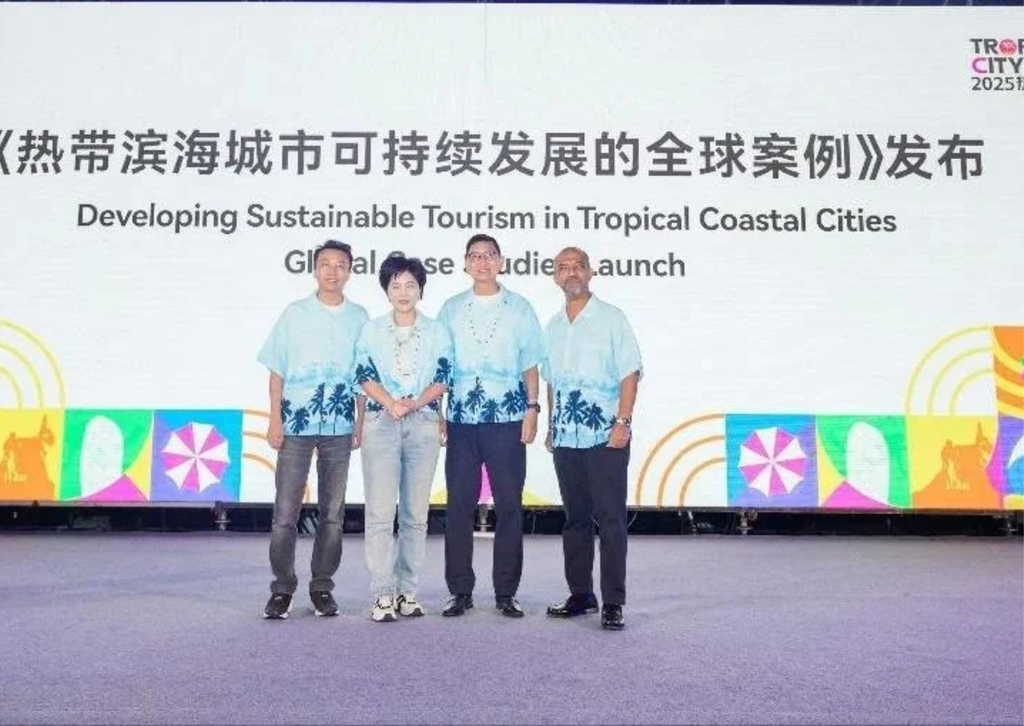
The Pacific Asia Travel Association (PATA) has launched a new report highlighting practical approaches to sustainable tourism development, bringing together 15 case studies from coastal and island destinations to demonstrate how tourism growth can be balanced with environmental protection, cultural preservation and community well-being. Titled Pathways to Sustainability – A Guide for Coastal Tourism Destinations, the report was officially unveiled on November 18, 2026, during the 2026 Coastal Tourism Destination Exchange Event in Sanya, China.
The event was hosted by the Sanya Tourism Board in partnership with PATA, bringing together tourism stakeholders to exchange knowledge and explore strategies for building more resilient and sustainable destinations. The publication examines sustainability practices across natural, cultural, urban and resort destinations, presenting practical examples of how tourism destinations can address challenges associated with climate change, increasing visitor numbers, resource consumption and development pressures. The report aims to provide governments, tourism businesses and destination managers with useful insights that can be adapted to their respective destinations.
15 Case Studies Highlight Practical Sustainability Approaches
The report features 15 case studies from coastal and island destinations across different regions, including eight examples from Sanya, China. The cases are organised into four categories natural, cultural, urban and resort destinations reflecting the different sustainability challenges faced by destinations and the approaches adopted to address them. The natural destination category focuses on ecosystem conservation, visitor management and climate resilience. Examples from the Cook Islands, Koh Mak in Thailand and Wuzhizhou Island in Sanya demonstrate how destination stewardship plans, community-led environmental initiatives, coral reef restoration, visitor reservation systems and integrated land-use planning can help protect natural resources while supporting tourism activities.

Wuzhizhou Island in Sanya has demonstrated the potential of conservation-led tourism through its marine restoration initiatives, as highlighted in PATA’s report. The destination has transplanted more than 66,000 coral colonies and restored approximately 61,000 square metres of reef. These efforts have contributed to increasing nearshore live-coral cover from below 15 per cent to 37.08 per cent. The island’s approach places ecological restoration and continuous environmental monitoring at the centre of tourism management, demonstrating how conservation measures can be integrated into destination development. PATA’s case study highlights how environmental protection and tourism activities can be managed together to support the long-term sustainability of natural destinations.
PATA’s cultural destination case studies highlight the importance of community ownership, cultural authenticity and ensuring tourism benefits reach local people. The report features Sarawak’s longhouse tourism in Malaysia, Papua New Guinea, West Island (Xidao) Fishing Village and Yazhou Ancient City in Sanya. These destinations demonstrate how tourism can support cultural preservation while allowing communities to maintain control over how their traditions, heritage and everyday lives are presented to visitors. The approaches highlighted by PATA include community consent for cultural visits, customary custodianship, regulated visitor access, heritage conservation and the integration of local businesses into tourism value chains.
Urban and Resort Destinations Integrate Sustainability Into Development
Urban destinations face increasing pressure on land, water, energy and public infrastructure as tourism activity expands. The report examines how cities and tourism hubs can improve resource efficiency, reduce environmental impacts and manage visitor demand without continuously expanding their environmental footprint. Case studies include Jeju in the Republic of Korea, Yas Island in Abu Dhabi, CDF Sanya International Duty Free Shopping Complex and Sanya Joy City. Their sustainability initiatives range from energy-efficient building design and renewable energy adoption to improved cooling systems, waste management, digital monitoring and visitor dispersal strategies.

These examples highlight how urban tourism destinations can incorporate sustainability into infrastructure planning, commercial development and destination management. Improving resource efficiency and encouraging visitors to explore less-concentrated tourism areas can help reduce pressure on major attractions while creating opportunities for wider economic participation. The resort destination category explores how sustainability can become an integral part of hospitality operations, property development and guest experiences. Featured examples include El Nido Resorts in the Philippines, the Maldives, Ascott Dadonghai Bay in Sanya and Sunshine Yi Hotel in Sanya.
The initiatives presented include dedicated sustainability management teams, marine conservation programmes, responsible supply chains, energy-efficient design, water reuse and workforce development. These examples demonstrate how environmental responsibility can be incorporated into hotel and resort operations while maintaining hospitality standards and enhancing the overall guest experience. By integrating sustainability into business operations, resort destinations can strengthen resource management, reduce environmental pressures and improve their long-term resilience. The report also highlights the importance of workforce development and responsible supply chains in ensuring that tourism businesses contribute to broader destination sustainability.
Report Emphasises Community Participation and Responsible Tourism Growth
Across the 15 case studies, the report identifies several common lessons for destinations seeking to strengthen sustainability. It highlights the importance of establishing appropriate management measures early, rather than waiting until tourism pressures become difficult to control. Local communities are identified as essential stakeholders in tourism development, with the report emphasising their role in decision-making, cultural representation and the distribution of economic benefits. Destinations are encouraged to recognise communities not merely as tourism service providers but as important custodians of local culture, heritage and natural resources.
The publication also highlights a shift towards measuring tourism success through value rather than volume. Instead of focusing exclusively on increasing visitor numbers, destinations are encouraged to develop strategies that attract visitors who stay longer, spend more locally and respect local customs and the environment. Reliable data, continuous monitoring and coordination among government departments, tourism businesses and other stakeholders are also identified as important components of effective destination management. While the approaches differ according to local circumstances, the report reinforces the need to integrate sustainability into long-term destination planning, governance and investment decisions.
It further outlines the respective responsibilities of governments, the private sector and local communities in advancing sustainable tourism. Governments are encouraged to establish clear policies and planning frameworks, while tourism businesses should incorporate sustainability into their operations and support their environmental and social claims with evidence. Local communities, meanwhile, should be empowered to participate in shaping tourism development in their own destinations.
PATA Strengthens Regional Sustainability and Resilience Initiatives
Through its research, knowledge-sharing and capacity-building activities, PATA continues to support destinations and tourism businesses in strengthening their sustainability practices and resilience across the Asia Pacific region. The association’s initiatives, including the Tourism Destination Resilience Programme and sustainability standards and training programmes, aim to translate responsible tourism principles into practical approaches that tourism stakeholders can implement.

The report was prepared for the 2026 Coastal Tourism Destination Exchange Event, with contributions from tourism professionals and organisations representing different destinations and sustainability initiatives. Contributors include Noeline Mateariki, Director of Sales and Marketing at Cook Islands Tourism Corporation; the Designated Areas for Sustainable Tourism Administration (DASTA); Shin Hyun-chul, Head of the Glocal Tourism Team at Jeju Tourism Organisation; Aina Rashidah MD Noh, Manager of Editorial and Content at Sarawak Tourism Board; and Zaina Ahmed, Senior Executive at Visit Maldives Corporation.
Through Pathways to Sustainability – A Guide for Coastal Tourism Destinations, PATA aims to encourage greater collaboration and knowledge-sharing among tourism stakeholders while supporting the development of a responsible, resilient and inclusive tourism economy across the Asia Pacific region. The report offers practical examples of how destinations can pursue tourism development while safeguarding the natural ecosystems, cultural heritage and communities that form the foundation of their tourism industry.