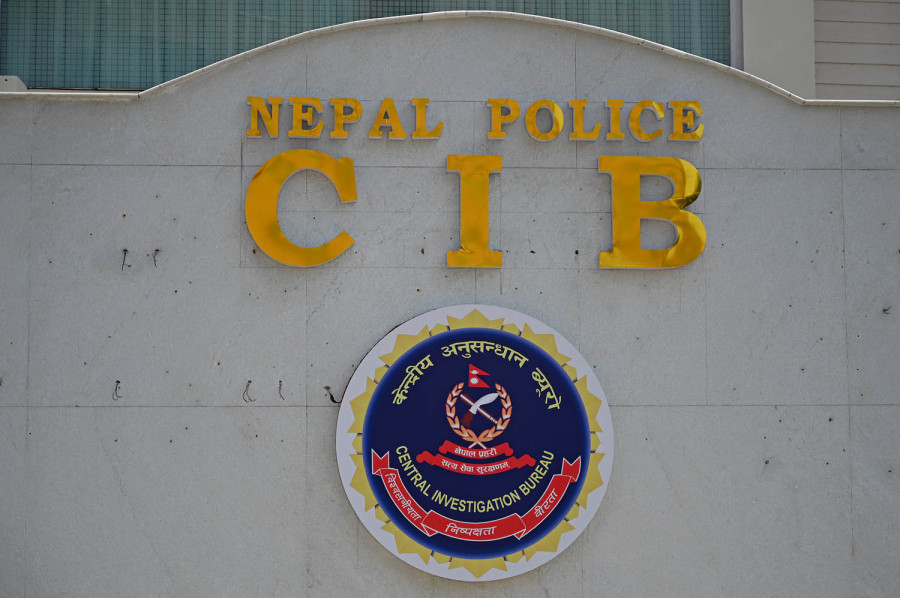
Nepal’s Central Investigation Bureau (CIB) has issued a formal public notice rejecting recent media reports that claimed guides in the Everest region were deliberately poisoning tourists’ food to stage fraudulent helicopter rescues, stating that no evidence has been found to support such allegations and warning that dissemination of unverified content constitutes an unlawful act.
The bureau’s statement, titled “Public Notice Concerning Unverified Media Reports and Misinformation About Tourist Fake Rescue Investigations,” directly addresses what it describes as highly misleading and baseless claims that have circulated across national and international media outlets as well as social media platforms.

No Evidence Found of Food Adulteration by Guides
According to the public notice, the CIB’s attention was drawn to recent news reports alleging that guides in the Everest (Sagarmatha) region were intentionally making tourists ill by mixing poisonous substances with their food to facilitate fraudulent rescue operations.
However, the bureau has clarified that during the course of its investigations to date, no evidence has been found to substantiate these claims. The CIB’s statement emphasises that the allegations remain unproven and that the ongoing investigation into fake rescue incidents has not uncovered any indication of food adulteration being used as a method to trigger unnecessary helicopter evacuations.
Warning to Media and Social Media Platforms
The CIB has taken a firm stance against the continued circulation of what it terms unverified content. In the public notice, the bureau asserts that the publication and dissemination of such highly misleading and baseless material through national and international media outlets, as well as across social media, constitutes an illegal act.
Consequently, the Central Investigation Bureau has formally requested all media organisations, journalists, and social media page administrators to immediately refrain from publishing or broadcasting such news. The warning signals an escalation in the bureau’s efforts to control misinformation surrounding the fake rescue investigations, which have already resulted in arrests and pending court cases against 32 individuals.
Background of the Fake Rescue Investigation
The CIB’s public notice comes against the backdrop of a long-running investigation into fake helicopter rescues in Nepal’s mountain regions. Following years of stalled progress since a 2018 recommendation to probe organised fraud, the bureau formally launched its investigation and eventually submitted a 1,243-page report to the government attorney’s office.
That report concluded that fake rescue flights had defrauded insurance companies and damaged Nepal’s international reputation. While charges have been filed against 32 individuals at the Kathmandu District Court, the specific allegation that guides poisoned tourists’ food has now been explicitly denied by the investigating authority itself.

Tourism Industry Welcomes Clarification
The CIB’s denial has been welcomed by sections of Nepal’s tourism industry, which had expressed deep concern over the unverified food poisoning angle at the start of the critical spring climbing season. Industry representatives have noted that while the fake rescue scam is real and prosecutions are ongoing, the specific claim of deliberate poisoning crossed a line that unfairly maligned thousands of honest guides and expedition operators.
The Nepal Mountaineering Association had previously called such acts “unimaginable” and warned that unverified reports risked seriously damaging the livelihoods of those who depend on the mountaineering sector. With the CIB now formally rejecting the poisoning allegations, tourism stakeholders hope that international media will correct the record and focus instead on the bureau’s ongoing efforts to bring the actual perpetrators of insurance fraud to justice.