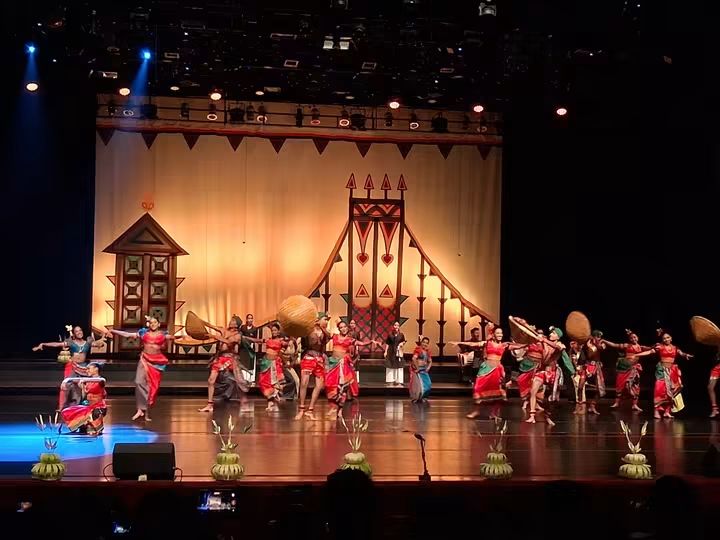
Nepal and Sri Lanka’s shared cultural and civilizational ties were highlighted during “Nrutha Sambhavana–2026: A Celebration of Sri Lankan Dance,” held on Tuesday, July 21, 2026, at the Nelum Pokuna Mahinda Rajapaksa Theatre in Colombo.
Nepal’s Chargé d’Affaires (CdA) Vijay Kumar Raut attended the cultural programme, which showcased the richness, diversity and artistic heritage of Sri Lanka’s traditional dance forms.
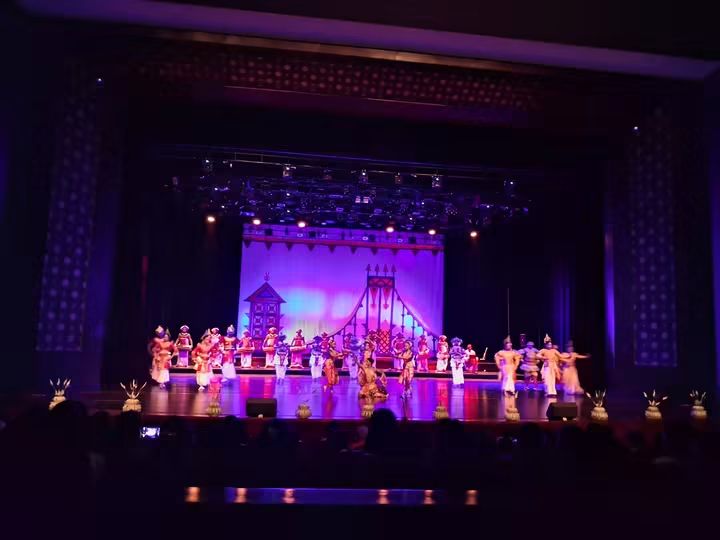
Traditional Dance Forms Showcase Sri Lanka’s Cultural Heritage
Organized by the Department of Cultural Affairs, the event featured performances representing Sri Lanka’s diverse traditional and classical dance traditions. The performances, ranging from Kandyan dance to Bharatanatyam, reflected the country’s deep-rooted artistic heritage and the continued importance of traditional culture in Sri Lankan society.
The programme brought together the elegance, rhythm and spiritual depth of Sri Lankan dance, offering audiences an opportunity to experience the country’s vibrant cultural traditions through live performances.
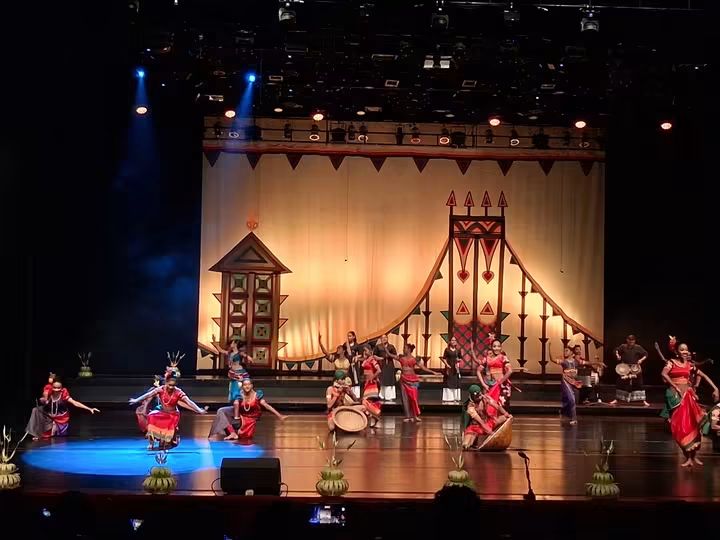
Culture as a Bridge Between Nepal and Sri Lanka
The event also highlighted the strong cultural connections between Nepal and Sri Lanka. Both countries share deep historical and civilizational ties rooted in Buddhism, Hinduism, music, dance and shared cultural traditions.
Cultural exchanges such as “Nrutha Sambhavana–2026” serve as an important platform for strengthening people-to-people relations and promoting mutual understanding between the two countries. Such events also contribute to preserving cultural heritage while creating opportunities for greater cooperation in the fields of arts, culture and tourism.
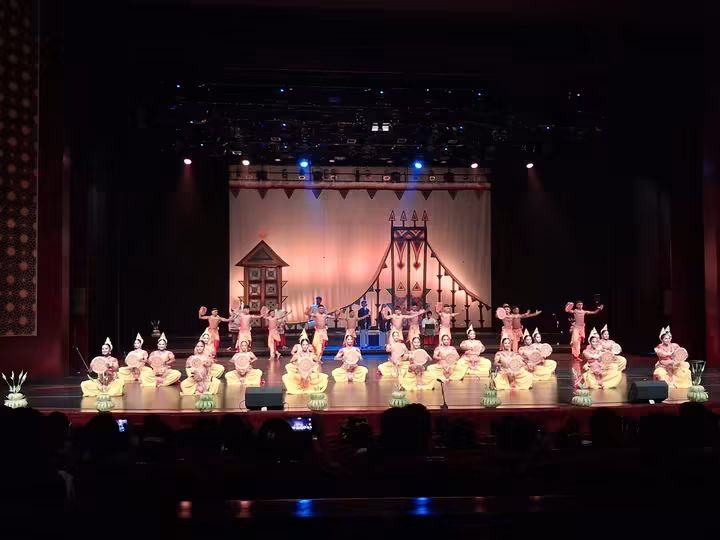
Continued Cooperation in Arts and Culture
The participation of Nepal’s diplomatic representative in the event reflects the importance placed on cultural diplomacy and the strengthening of bilateral relations between Nepal and Sri Lanka.
The Department of Cultural Affairs was appreciated for organizing the programme and promoting Sri Lanka’s vibrant artistic traditions. Continued cultural exchanges and collaboration between the two countries are expected to further strengthen their longstanding friendship and shared civilizational ties.