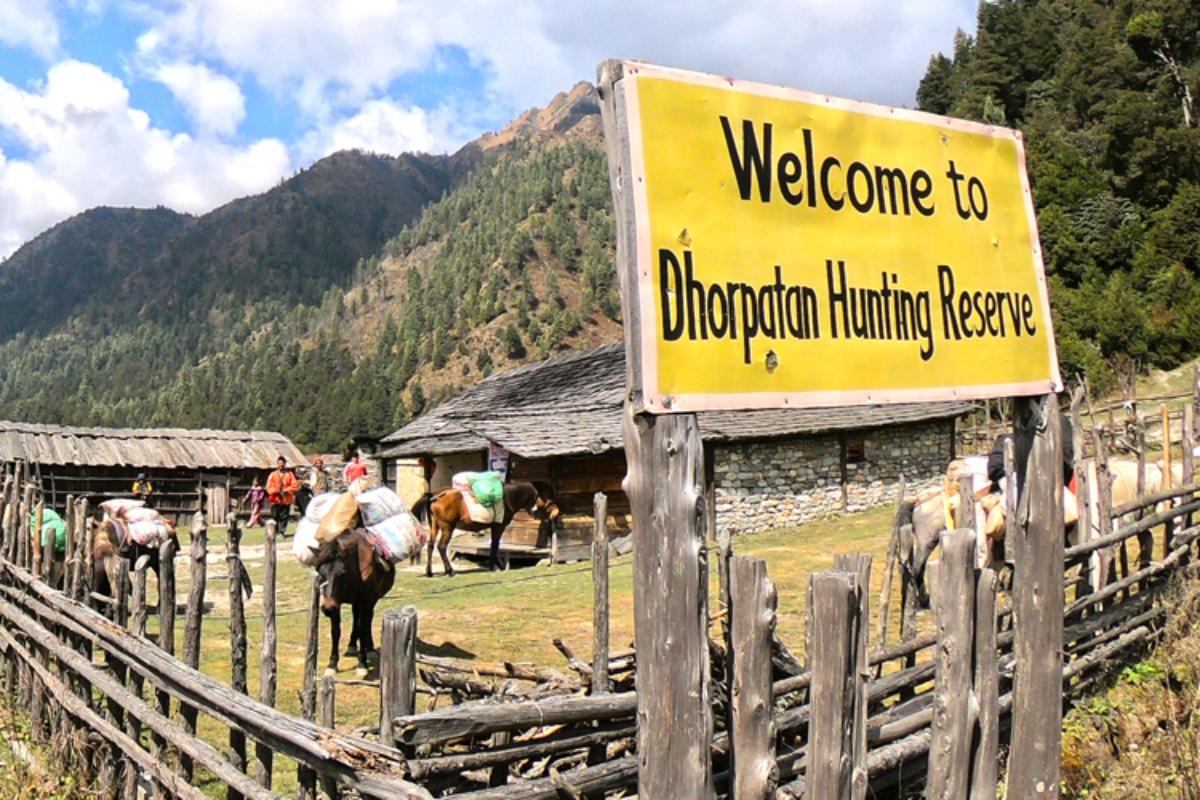
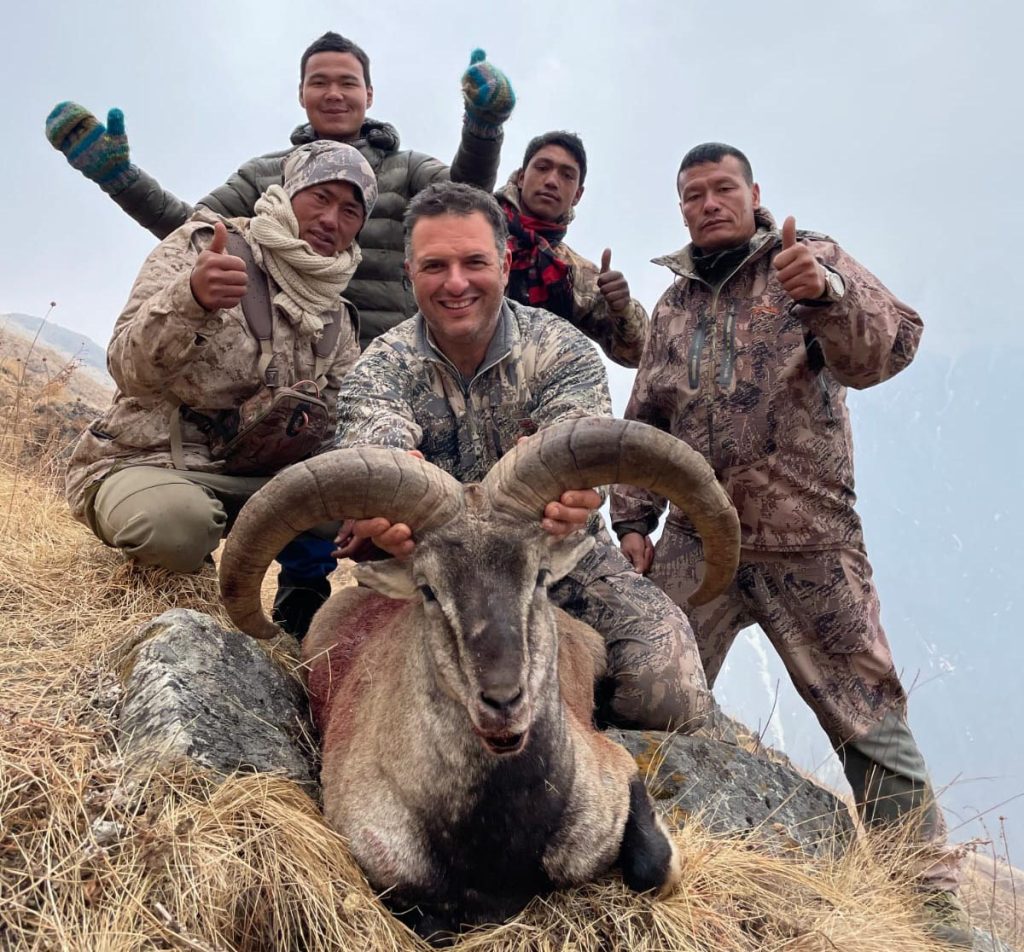
Dhorpatan Hunting Reserve announced the start of the first hunting season with issuance of permit for 10 blue sheep (naur) and seven Himalayan tahrs (jharal), bringing in international hunting tourists in one of Nepal’s unique high altitude destinations. First hunting season will start from September to November and the authorized foreign hunters will arrive in Dhorpatan hunting reserve with coordination with hunting companies appointed by Department of National Parks and Wildlife Conservation. Chief conservation officer Ananath Baral said, international hunters have been coming to the hunting reserve for the past few years with the coordination of hunting agencies and they would also visit Dhorpatan this year.
Dhorpatan Hunting Reserve Appeal To International Hunters
Dhorpatan Hunting Reserve has been attracting the elite group of hunters from around the world who come to hunt in the high altitude mountains of Nepal. Foreign hunters from countries like the United States of America, Russia, Spain, Denmark, France and many African nations have been visiting Dhorpatan hunting reserve for several years now.

The Department of National Parks and Wildlife Conservation opens up hunting season in Dhorpatan through a competitive bidding process. In the month of August, the Department invited expression of interest from authorized hunting agencies to operate hunting tourism in the specified area of Dhorpatan Hunting Reserve. Mostly foreign hunters arrive in Dhorpatan Helicopter and hunting groups are accompanied by local support staff during the hunt.
Seven Blocks For Hunting Tourism In Dhorpatan
There are total seven hunting blocks in Dhorpatan Hunting Reserve including Surtibang, Phagune, Barse, Seng, Dogadi, Ghustung and Sundaha. Hunters should finish hunting in the specified hunting block with maximum 15 days hunting season. The number of blue sheep and Himalayan tahr to be killed in hunt is decided by the government per year as provision of wildlife conservation act. Dhorpatan Hunting reserve will also conduct survey of blue sheep and Himalayan Tahr this year which would provide basis of future hunting quota. Last year, the government has levied Rs 2 million for the kill of single blue sheep and the amount of this year’s hunting season is under the process of collection.

Dhorpatan Hunting Season Generates Rs 41.7 Million For Government
A total of 21 blue sheep and 11 Himalayan tahr were killed during last year’s two hunting seasons which fetched the government around Rs 41.7 million. There are 1,200 blue sheep and 900 Himalayan tahrs in the Dhorpatan Hunting Reserve, according to the last census held in the hunting reserve. The government will open another hunting season from February to April this year after closing of the first season. Hunting quota of blue sheep and Himalayan tahr will be fixed in the similar manner.
Dhorpatan Hunting Reserve was declared on 1987 AD in the area spread in Baglung, Myagdi and East Rukum and the reserve forest office is situated in the Dhorpatan Valley of the Baglung district. It is the only hunting reserve of Nepal and has developed a niche market for hunting tourism in Nepal. Besides the hunting, the Dhorpatan Valley also attracts nature lovers and the view of high altitude mountains. It is said that around 37,000 domestic and foreign tourists visit Dhorpatan every year for tourism other than hunting.