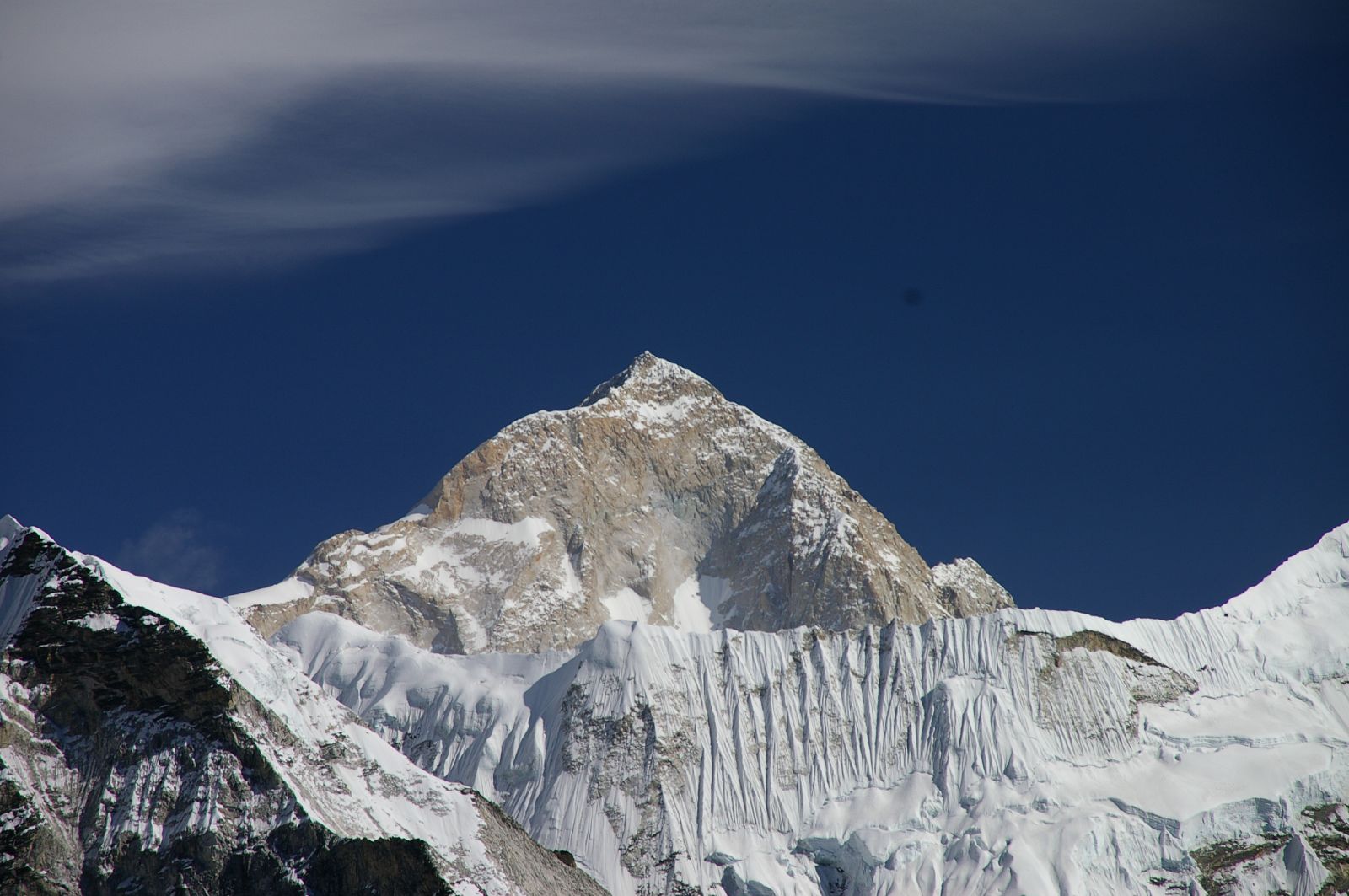
Makalu, the world’s fifth-highest peak, majestically stands at 8,485 meters (27,838 feet) in the Mahalangur Range of the Himalayas. Nestled on the border between Nepal and China, this mountain offers an untouched paradise for adventure enthusiasts and nature lovers alike. While it may not enjoy the same fame as its towering neighbors, Everest and Lhotse, Makalu presents an unparalleled opportunity for those seeking a more serene and less crowded Himalayan experience. Let’s delve into the various facets of Makalu that make it a compelling destination for tourism.
Makalu’s unique pyramidal structure, with sharp ridges and steep slopes, presents a challenging yet rewarding climb for mountaineers. The mountain was first summited in 1955 by a French expedition led by Jean Franco. Since then, it has been a coveted prize for climbers worldwide. Unlike the crowded trails of Everest, Makalu offers a more solitary and introspective journey, allowing climbers to connect deeply with the raw and pristine environment.
At the heart of Makalu’s allure is the Makalu-Barun National Park, a protected area that spans 1,500 square kilometers (580 square miles). Established in 1992, the park is renowned for its rich biodiversity and unique ecosystems, ranging from tropical forests at lower elevations to alpine meadows and glaciers at higher altitudes. Visitors to the park can encounter rare and endangered species such as the red panda, snow leopard, Himalayan black bear, and over 400 species of birds. The park’s diverse flora and fauna make it a paradise for wildlife enthusiasts and researchers.
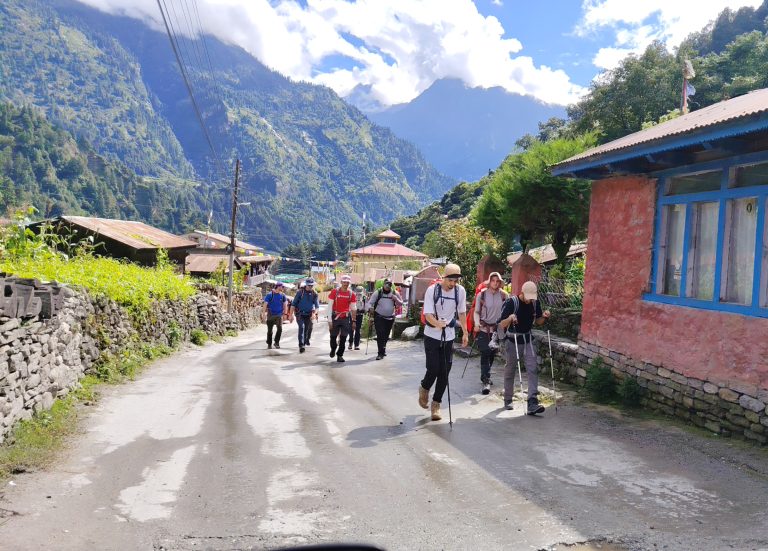
Makalu offers some of the most scenic and challenging trekking routes in Nepal. The Makalu Base Camp trek, a popular choice among trekkers, takes adventurers through a diverse array of landscapes, from lush rhododendron forests and terraced farmlands to high-altitude glaciers and rugged mountain terrain. The trek typically starts from Tumlingtar and passes through picturesque villages such as Num, Seduwa, and Tashigaon before reaching the base camp at 4,870 meters (15,978 feet). Along the way, trekkers are treated to stunning views of Makalu, Everest, Lhotse, and other Himalayan peaks.
The region surrounding Makalu is home to diverse ethnic communities, including the Sherpa, Rai, and Lhomi peoples. Visitors have the opportunity to immerse themselves in the local culture, traditions, and lifestyle. The villages en route to Makalu Base Camp offer homestays and lodges where trekkers can experience the warm hospitality of the locals, savor traditional Nepali cuisine, and participate in cultural festivities. The harmonious coexistence of different cultures adds a unique dimension to the trekking experience.
Makalu’s diverse terrain and natural beauty provide ample opportunities for adventure activities beyond trekking and climbing. The rivers and streams flowing through the region offer thrilling white-water rafting and kayaking experiences. The expansive landscapes are perfect for paragliding, providing an aerial perspective of the stunning Himalayan scenery. For those seeking a more relaxed adventure, birdwatching and nature photography are popular activities, allowing visitors to capture the essence of Makalu’s pristine wilderness.
As tourism in Makalu gains momentum, there is a growing emphasis on sustainable and responsible travel practices. Local authorities and conservation organizations are working together to promote eco-friendly tourism initiatives that minimize environmental impact and support local communities. Trekkers and climbers are encouraged to follow Leave No Trace principles, respect wildlife, and support community-based tourism projects. Sustainable tourism ensures that the natural beauty and cultural heritage of Makalu are preserved for future generations.
Makalu, with its towering peak, rich biodiversity, challenging trekking routes, and vibrant cultural heritage, offers a unique and rewarding experience for tourists seeking an off-the-beaten-path adventure in the Himalayas. As more travelers discover the untapped potential of this hidden gem, Makalu is set to become a premier destination for sustainable and responsible tourism. Whether you are a seasoned mountaineer, an avid trekker, or a nature enthusiast, Makalu promises an unforgettable journey into the heart of the Himalayas.