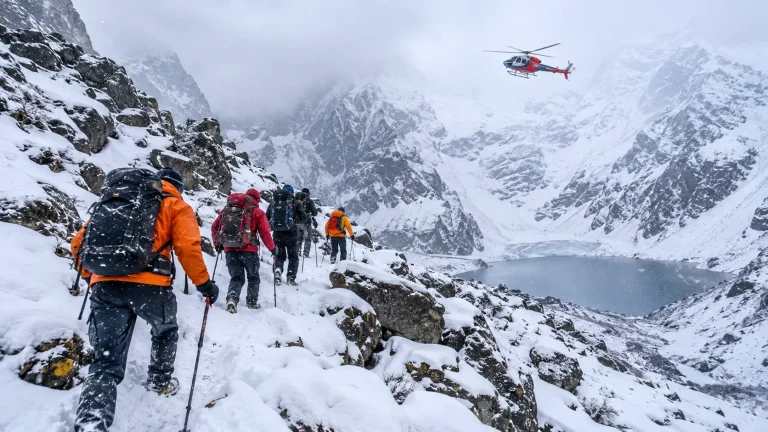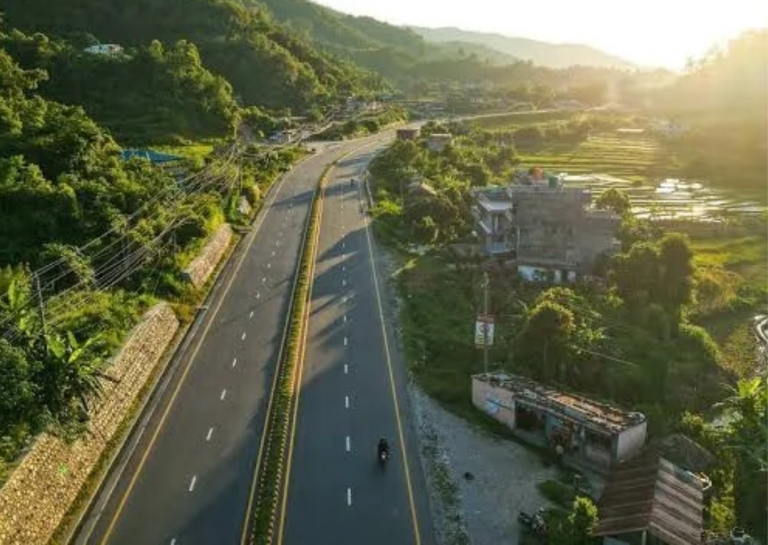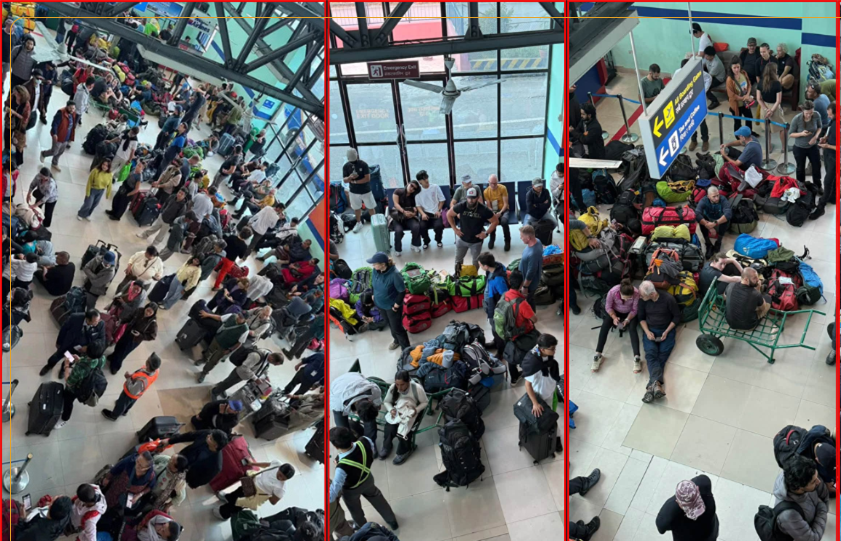
Frequent flight delays and cancellations on the Kathmandu Lukla route are disrupting travel plans for international tourists visiting Nepal’s Everest region. Passengers have reportedly faced delays of up to two hours, leaving many stranded at Tribhuvan International Airport while waiting for flights to Lukla. The repeated disruptions have raised concerns among tourism operators about flight management, passenger services and Nepal‘s reputation as an international adventure tourism destination. Lukla serves as a major air gateway for trekkers heading towards Everest Base Camp and other destinations across the Khumbu region.
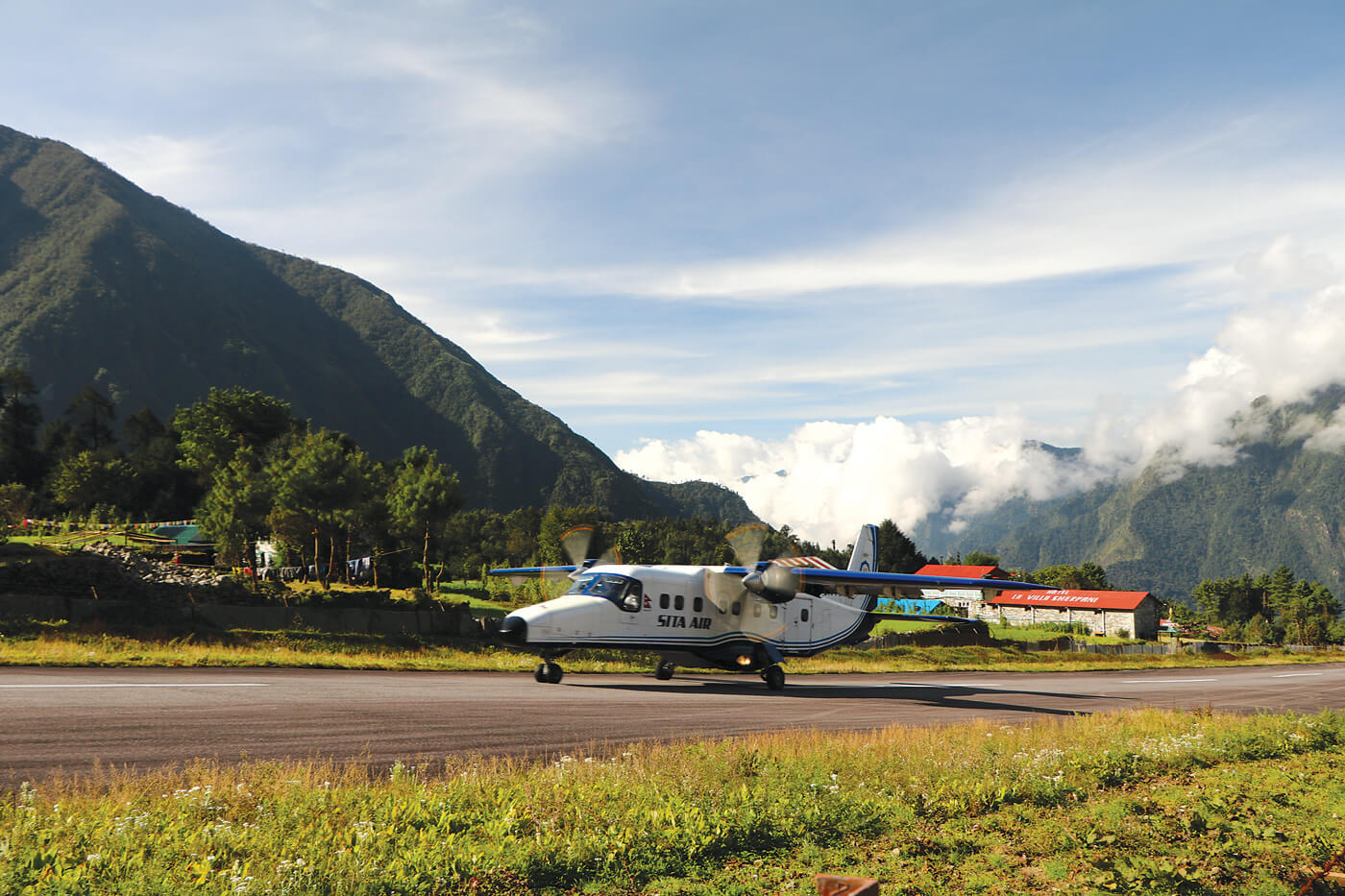
Tourism industry representatives have described the situation as a recurring problem rather than an occasional operational inconvenience. According to Tashi Lakpa Sherpa, Chief Executive Officer of Fourteen Peaks Expedition, the uncertainty surrounding Lukla flights has continued for a long time, creating difficulties for tourists and travel businesses. He said passengers often purchase expensive air tickets without receiving reliable information about departure times or flight arrangements. The situation has also affected trekking itineraries and the services arranged by tourism companies for international visitors.
Frequent Lukla Flight Delays Disrupt Everest Trekking Plans
Lukla is one of Nepal’s most important gateways for mountain tourism, particularly for international travellers visiting the Everest region. Most trekkers heading towards Everest Base Camp and other Khumbu destinations depend on air services to reach the town. Consequently, even relatively short flight delays can affect carefully planned travel schedules. When passengers cannot reach Lukla on time, their trekking arrangements, accommodation bookings and other planned services may also be disrupted.
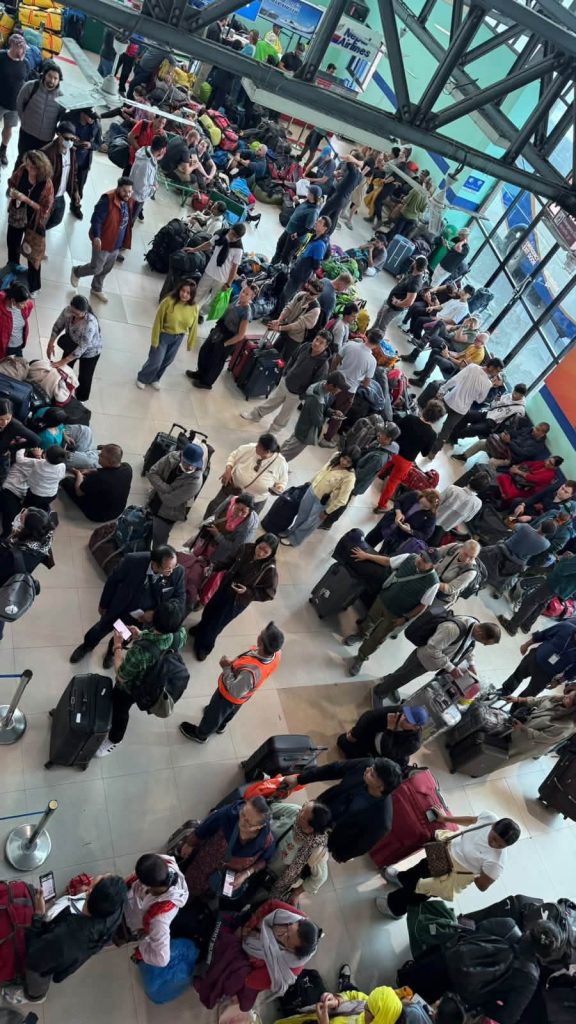
Tashi Lakpa Sherpa said repeated delays have affected not only tourists but also trekking companies, hotels, guides and porters working in the region. Travel operators often coordinate multiple services around scheduled flight arrivals, making unpredictable departures difficult to manage. When tourists fail to arrive as planned, companies may face additional expenses and difficulties fulfilling their commitments. He warned that such experiences could negatively influence international travellers’ perceptions of Nepal’s tourism services.
Daily Flight Cancellations Raise Concerns Over Air Operations
Rapke Sherpa, Ground Handling Manager at Tara Air, said the delays have become a regular challenge for passengers travelling to Lukla. According to him, flights are sometimes delayed for approximately two hours, while five to seven flights are reportedly cancelled daily. He also expressed concern about the handling of Lukla bound flights and the coordination required to operate services to the mountain airport. The repeated disruptions have created uncertainty for travelers during an important period for Everest region tourism.
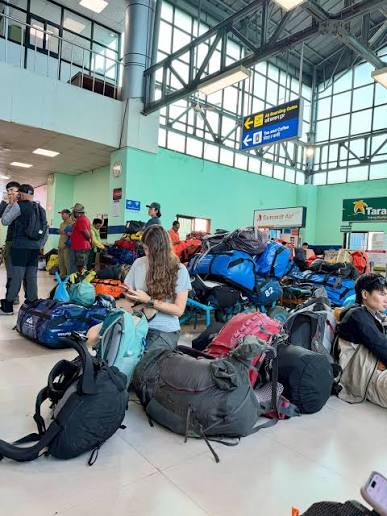
Tara Air and Summit Air currently operate flights to Lukla, with Tara Air reportedly requiring around 15 to 18 flights daily to meet passenger demand. However, cancellations have affected the airline’s ability to maintain its intended schedule. The report states that Tara Air currently operates five daily flights from Tribhuvan International Airport and another five from Ramechhap. These operational challenges have contributed to passengers spending extended periods waiting at airports before continuing their journeys.
Weather Conditions and Scheduling Affect Lukla Connectivity
Lukla Airport’s mountainous location and weather sensitive operating conditions make flight operations particularly challenging. Strong winds frequently develop in the afternoon, especially after 4:00 p.m., making flights difficult or impossible under certain conditions. Rapke Sherpa also pointed to difficulties in obtaining early morning flight permissions, which can further limit available operating windows. He suggested that prioritizing earlier flight schedules during the main tourist season could help reduce some of the difficulties faced by passengers.
Although weather and safety conditions can legitimately require flight suspensions, tourism representatives have argued that these factors should not excuse weaknesses in communication and passenger management. Tashi Lakpa Sherpa questioned whether airlines and the Civil Aviation Authority of Nepal (CAAN) were providing timely information and appropriate alternative arrangements when flights were delayed or cancelled. He called for a clearer examination of the causes behind recurring disruptions and greater accountability among the responsible authorities. Better coordination and passenger information could help reduce uncertainty even when weather conditions prevent aircraft from operating.
Tourism Operators Demand Urgent Improvements in Flight Management
The disruptions have created financial and operational challenges for several parts of Nepal’s mountain tourism industry. Trekking companies must adjust itineraries, while hotels, guides and porters face uncertainty when visitors cannot arrive according to schedule. Local communities and businesses around Lukla also depend on the regular movement of tourists and the services supporting their journeys. Tourism operators have therefore called for improvements that address both flight operations and the treatment of passengers affected by disruptions.
Industry representatives have urged the government, CAAN and airlines to review flight scheduling, improve coordination and establish more effective systems for communicating delays and cancellations. They have also called for better passenger support and alternative arrangements when scheduled services cannot operate. Addressing these concerns is important because the Kathmandu Lukla connection plays a significant role in facilitating trekking and mountaineering activities in the Everest region. Reliable air services and transparent passenger communication are essential to maintaining visitor confidence in Nepal’s adventure tourism sector.