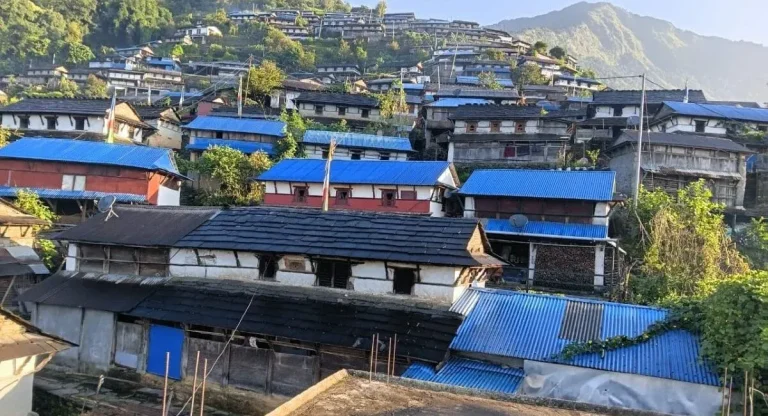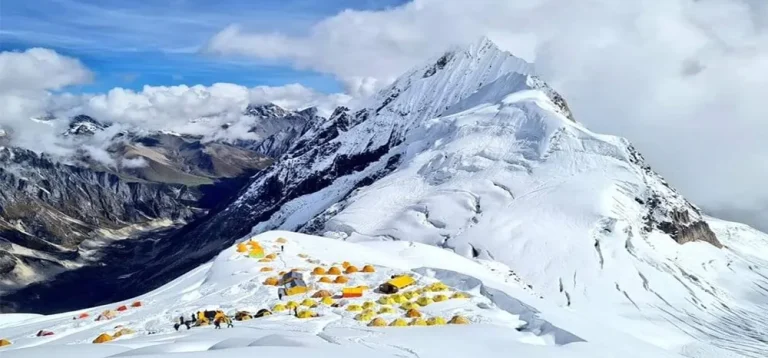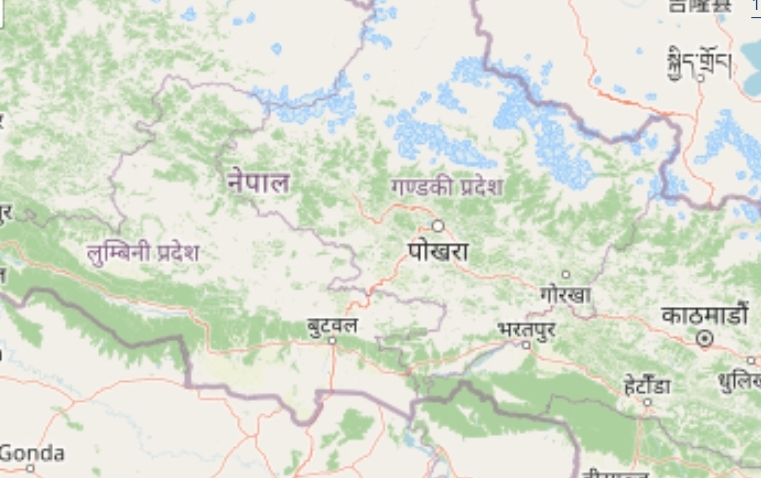
Trekkers planning to travel through the Dharapani Larke trekking route in Manang have been advised to avoid a damaged section of the trail after heavy rainfall caused severe destruction to trekking infrastructure. The Trekking Agencies’ Association of Nepal (TAAN) issued the warning following intense rainfall on August 5 and 6, which damaged the trail in the Budebagar section of Tilche, Nasho Rural Municipality, and destroyed a suspension bridge over the Surkhi Khola.
The warning comes at a time when Nepal’s mountain destinations are experiencing the effects of the annual monsoon season. Heavy rainfall in Himalayan districts can quickly change trail conditions, causing flooding, erosion, landslides and damage to bridges and other infrastructure. TAAN has therefore urged trekkers that the Dharapani-Larke and tourism operators to exercise caution and avoid the affected section until repair work is completed and local authorities confirm that the route is safe for travel.
Heavy rainfall causes serious trail damage
The rainfall caused flooding along the Budebagar section, damaging portions of the trekking trail and destroying the suspension bridge crossing the Surkhi Khola. Such bridges are essential in Nepal’s mountainous areas, where rivers and streams frequently separate settlements and trekking paths. The destruction of the bridge has made the affected section particularly difficult and potentially dangerous for trekkers attempting to continue along the route.

The damage also raises concerns about the condition of other parts of the Dharapani-Larke trail that may have been weakened by the rainfall. Mountain paths can become unstable after prolonged rain, while water flowing through steep terrain can wash away sections of the trail without much warning. Further rainfall could increase the damage and create additional hazards for travelers and local residents.
TAAN issues safety warning to trekkers to trek Dharapani-Larke
Following reports of the damage, TAAN has advised trekkers to avoid the affected route until repairs are completed. The association has emphasized that travelers should not attempt to cross the damaged section independently or assume that the route is safe simply because it remains visible on trekking maps or online navigation platforms.
TAAN is also working to obtain updated information about the condition of the route and has said it will continue to inform trekking agencies and travelers as new developments emerge. The warning is particularly relevant to international trekkers who may not have access to immediate information about changing conditions in remote mountain areas.
Trekking agencies and guides are expected to monitor the situation closely and adjust itineraries where necessary. During the monsoon, decisions about whether to proceed with a trek Dharapani-Larke often depend on local weather conditions, trail reports and advice from authorities and experienced mountain professionals.
Monsoon creates additional risks in the Himalayas
The incident highlights the continuing challenges faced by Nepal’s trekking infrastructure during the monsoon season. Heavy rainfall can cause sudden changes in mountain terrain, while swollen rivers and streams can make crossings dangerous.
Landslides and falling rocks can also block trails and roads, leaving travelers temporarily stranded. The risk becomes greater in remote areas where emergency response and communication facilities may be limited. Even after a major flood has passed, weakened slopes, damaged bridges and unstable trails can remain hazardous for days or weeks. This makes regular inspection and timely safety assessments particularly important for popular trekking routes.
For trekking companies, ensuring that guides and support teams have current information is essential. Guides, porters, local residents and tourism authorities often provide the most immediate information about trail conditions and can help identify hazards that may not yet appear in official travel updates.
Potential impact on trekking tourism
The Dharapani Larke area forms part of Nepal’s wider Himalayan trekking network and provides visitors with access to the mountain landscapes and communities of Manang. Trekking tourism is an important source of income for many people in these areas, including guides, porters, lodge owners, restaurant operators, transport providers and other local businesses.
A prolonged disruption to the route of Dharapani-Larke could therefore have an economic impact beyond the immediate trail. Trekking agencies may need to change planned itineraries, postpone trips or use alternative routes, while businesses located along the affected section could experience a reduction in visitors.
At the same time, maintaining the route safely is essential for the long term development of Nepal’s adventure tourism. Trekkers trekking to Dharapani-Larke are more likely to choose destinations where infrastructure is maintained and reliable information about safety and accessibility is available.
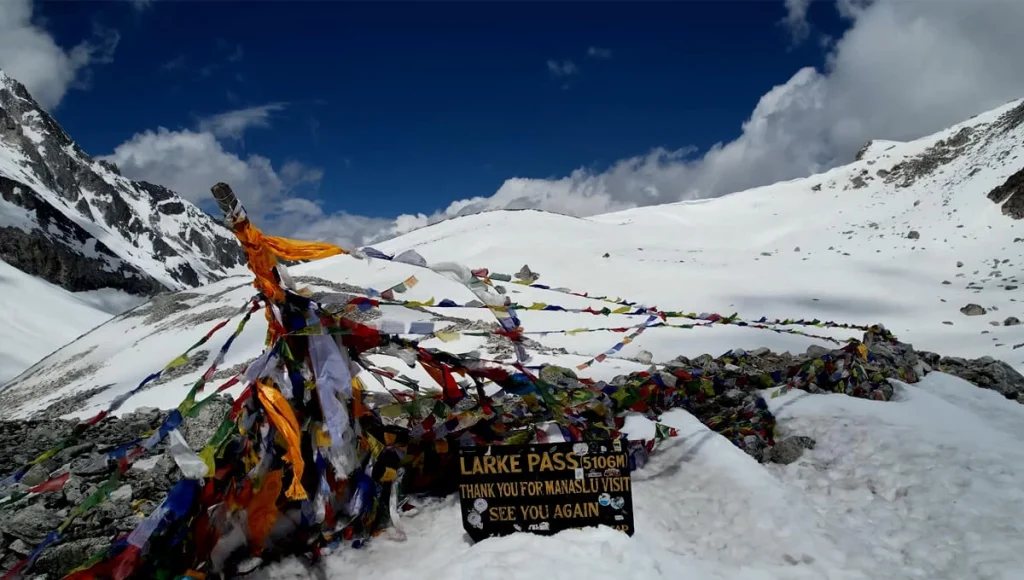
Bridge restoration is crucial for local access
The destruction on the route Dharapani-Larke of the Surkhi Khola suspension bridge is particularly significant because such infrastructure can serve both tourists and local communities. Mountain residents frequently depend on suspension bridges to reach settlements, markets, schools, health facilities and transportation points.
Repairing the bridge will therefore be important not only for restoring the trekking route but also for improving movement for people living in the surrounding communities. Authorities will need to assess the structural condition of the remaining trail of Dharapani-Larke and surrounding terrain before allowing normal traffic to resume.
Authorities face pressure to restore the route safely
Repairing the damaged section quickly will be important, but safety must remain the priority. With the monsoon season still underway, additional rainfall could cause further damage even after initial repairs have been completed.
A proper assessment should determine whether the Dharapani-Larke trail is stable, whether the river crossing is safe and whether there are additional risks from landslides, erosion or falling rocks. Official confirmation of safety will be important before trekking agencies resume regular operations through the affected section.
Trekkers urged to check conditions before departure to Dharapani-Larke
TAAN’s warning also highlights the importance of responsible trekking planning in Nepal. Travelers should obtain the latest information from trekking agencies, local authorities and recognized tourism organizations before entering areas affected by severe weather.
Trekkers should avoid relying solely on old maps, previous travel blogs or information from earlier trekking seasons because Himalayan conditions can change rapidly. During the monsoon, a trail that was safe only days earlier may become inaccessible or dangerous following a single period of intense rainfall.

Safety remains essential for Nepal’s adventure tourism
The damage to the Dharapani Larke route demonstrates how extreme weather can directly affect Nepal’s adventure tourism infrastructure. The country’s mountains remain a major attraction for international and domestic trekkers, but maintaining safe trails, bridges and reliable access is essential to sustain visitor confidence.
For now, trekkers are being urged to avoid the damaged Budebagar section until repairs are completed and authorities confirm that the route is safe. TAAN’s continued monitoring and communication with tourism stakeholders will be important as the situation develops.
The incident is a reminder that Nepal’s Himalayan trekking routes are not only tourism assets but also vital lifelines for mountain communities. Ensuring their safe restoration, regular maintenance and effective weather monitoring will be crucial for protecting travelers, supporting local livelihoods and keeping Nepal’s trekking destinations accessible in the long term.