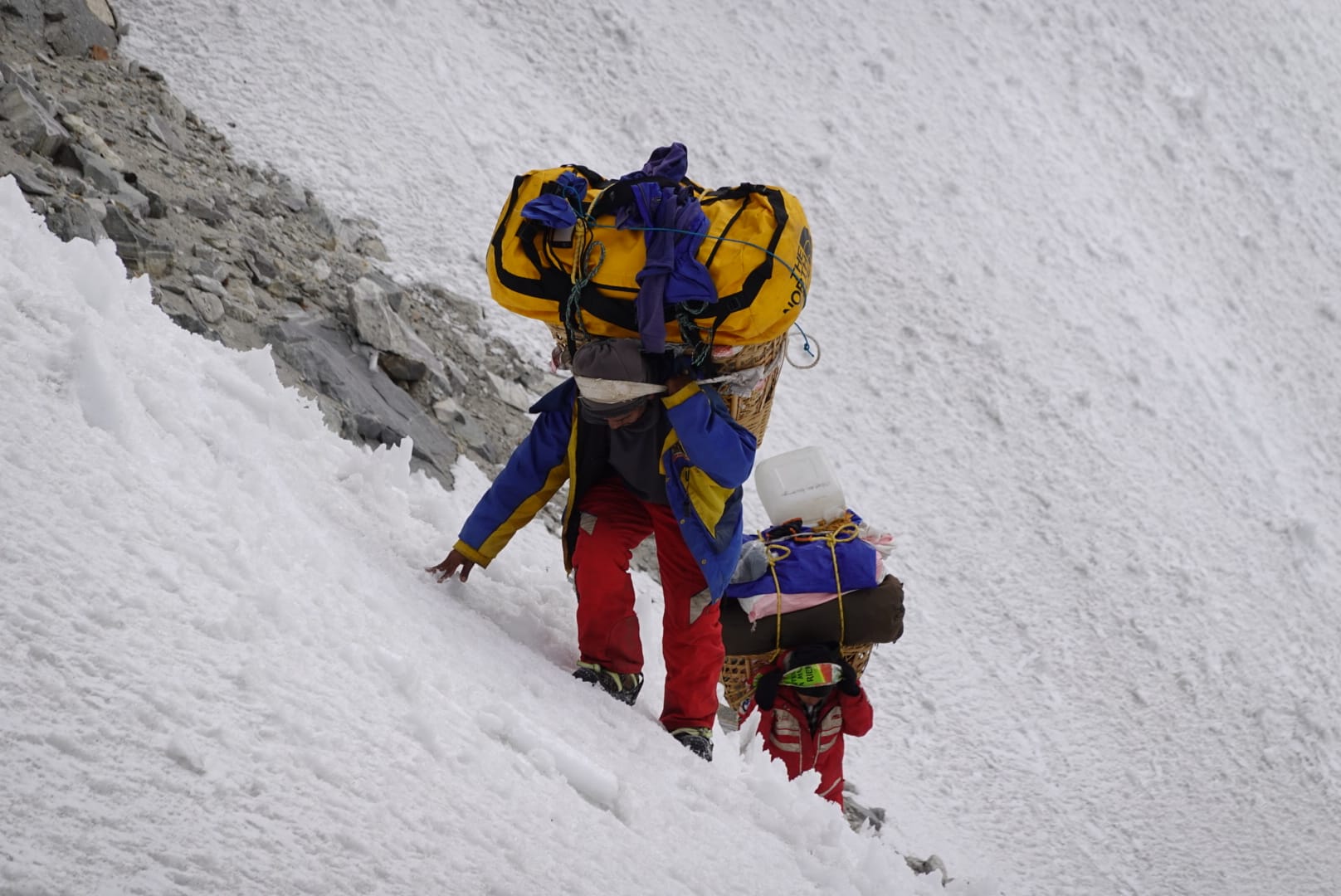
French-Canadian adventurer Stephane Champoussin has completed the full length of Nepal’s Great Himalayan Trail (GHT) in 143 days, crossing some of the country’s most challenging high-altitude terrain from eastern to western Nepal. Champoussin began the expedition from Yamphudin in Taplejung on March 17 and reached Hilsa in Humla on August 1, completing the long Himalayan route with the support of a Sherpa team, guides and porters.
Expedition covered extreme Himalayan terrain in Nepal
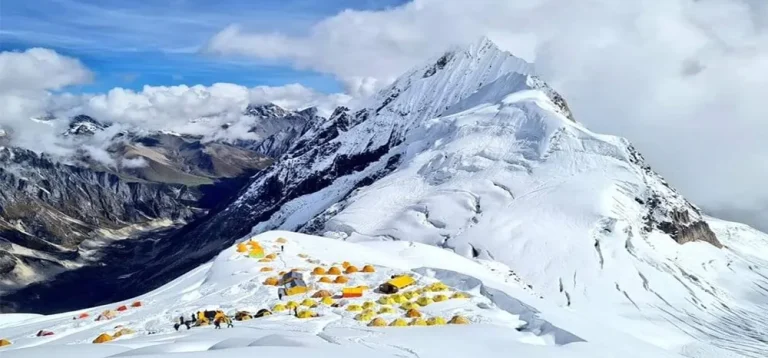
The journey involved glacier crossings, high mountain passes, deep snow, rockfalls and difficult river crossings, with some sections reaching approximately 6,200 metres above sea level. Pema Sherpa, managing director of Pema Treks & Expeditions, described the expedition as a major achievement, citing the physical demands and complex logistics involved in completing the high-altitude route. The expedition was repeatedly affected by severe mountain conditions. A snowstorm near Selele forced the team to take shelter, while worsening weather around Sherpani Col and the Makalu region led them to abandon their planned route toward Chhukung.

Rockfalls and river crossings created major risks
The team also faced several potentially life-threatening situations during the expedition. In Rolwaling, a sudden rockfall forced the group to retreat after team member Temba raised an immediate warning. On the Tilman Pass section, continuing rockfalls and a swollen river created additional hazards, requiring the team to use ropes and a whistle warning system to move safely through the area. Heavy snowfall in the Molun Pokhari region also caused a porter’s tent to collapse, leaving the team with limited rest before continuing the following day.
Remote communities become part of the journey
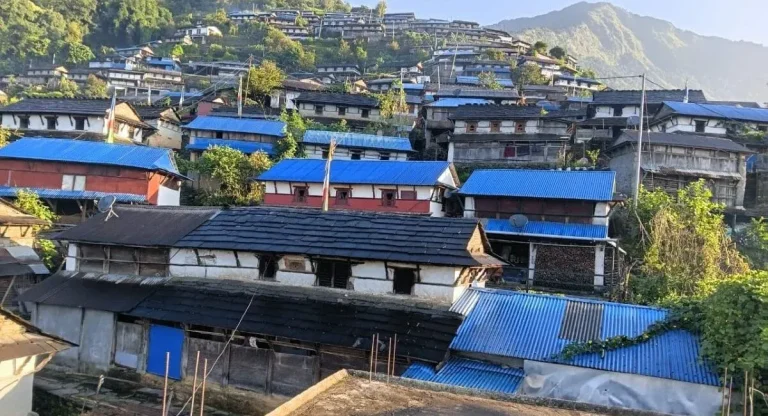
Beyond the physical challenges, Champoussin said encounters with people living in remote Himalayan settlements were among the most memorable parts of the expedition. He recalled meeting a young girl being raised by her grandmother in Tembathang, describing their farewell as one of the emotional highlights of the journey. Champoussin also observed the difficulties faced by people in isolated mountain communities, particularly limited access to healthcare and basic medicines. At the same time, he noted improvements brought by road access and solar power in some areas.
Manaslu and Thorong La among final stages
The final part of the expedition included the Manaslu Circuit, a crossing of Thorong La and a visit to Praken Gompa, where Champoussin received blessings from an Ani, or Buddhist nun. The route exposed him not only to Nepal’s high-altitude landscapes but also to the country’s diverse mountain cultures and communities.
Expedition ends with news of Broad Peak tragedy
Champoussin and his team reached Hilsa on August 1, marking the completion of their 143-day journey. However, upon reaching the western terminus, they learned about the fatal Broad Peak accident that killed six Nepali mountain guides. The tragedy served as a stark reminder of the dangers faced by climbers and mountain workers in high-altitude environments. Champoussin reflected that the Himalayas offer remarkable opportunities for adventure while also presenting serious and unpredictable risks.

Local mountain team credited for success
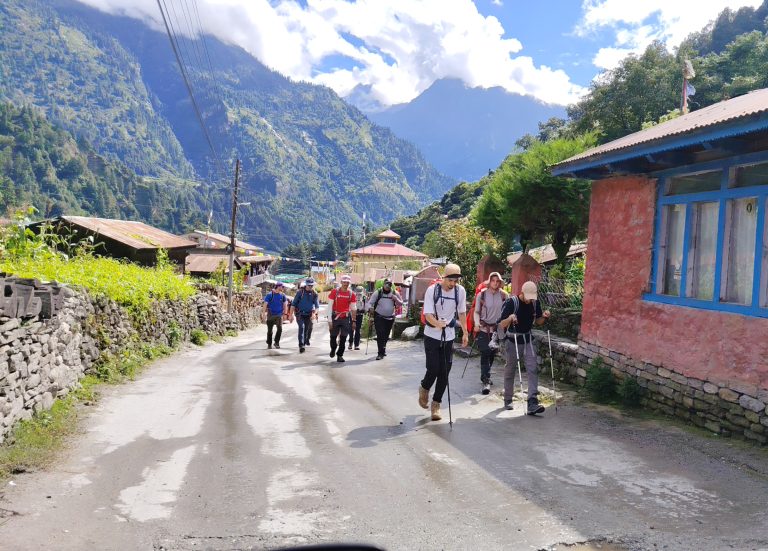
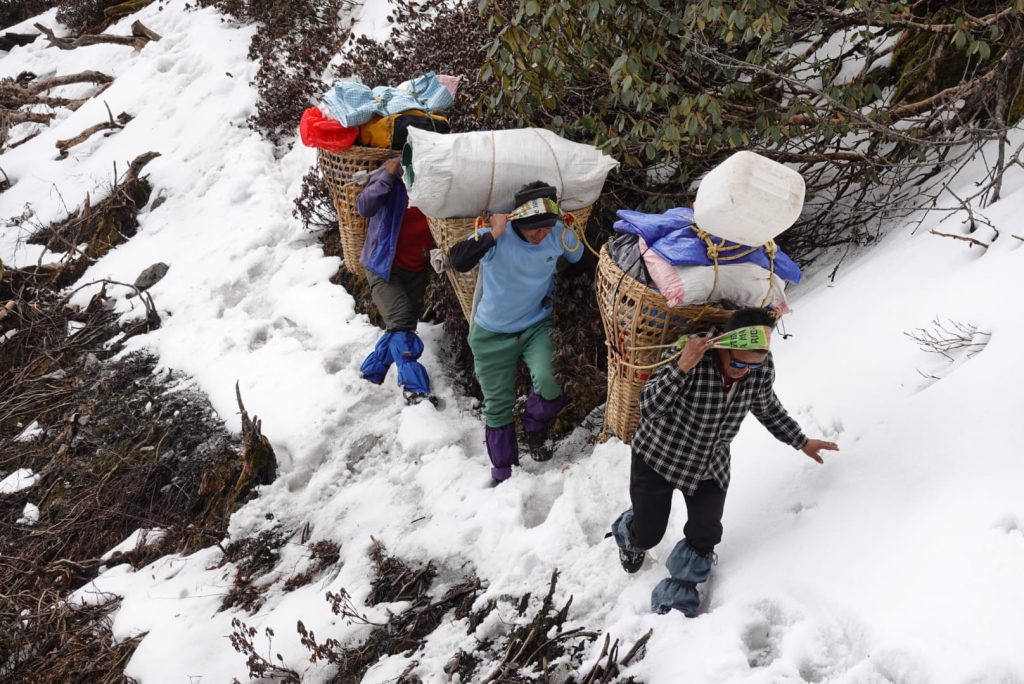
Champoussin credited his porters Temba, Pemkipa, Dawa and Rasan, guides Sonam and Sange, and the Kathmandu-based Pema Treks & Expeditions team for their support throughout the expedition. Their contribution highlights the important role of Nepal’s experienced mountain workers in supporting demanding international trekking and mountaineering expeditions.
Warning for future GHT trekkers
Following his completion of the trail, Champoussin advised future trekkers not to underestimate the Great Himalayan Trail, particularly its glacier crossings, extreme altitude and exposed sections. His 143-day expedition demonstrates the scale and difficulty of Nepal’s long-distance Himalayan trekking routes while also highlighting the country’s potential for high-altitude adventure tourism. Champoussin said the challenges ultimately became lasting memories, but his experience also underlined the importance of physical preparation, experienced local support and careful decision-making for anyone attempting the Great Himalayan Trail.