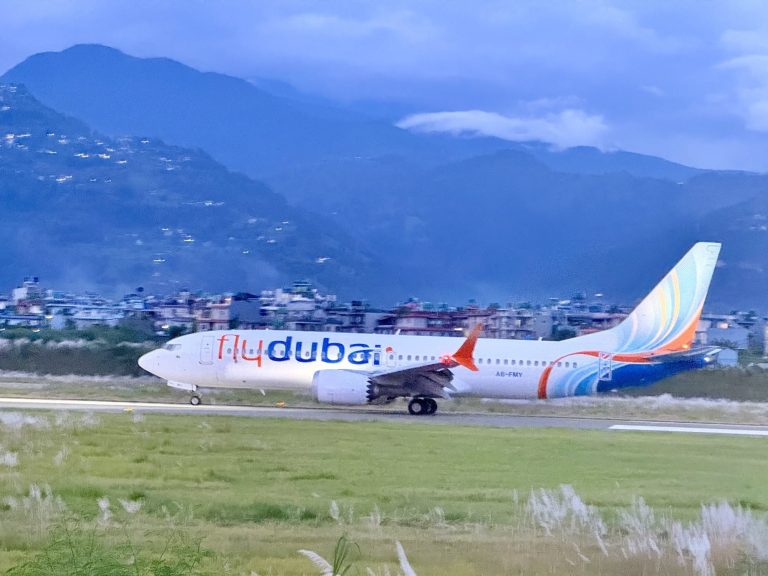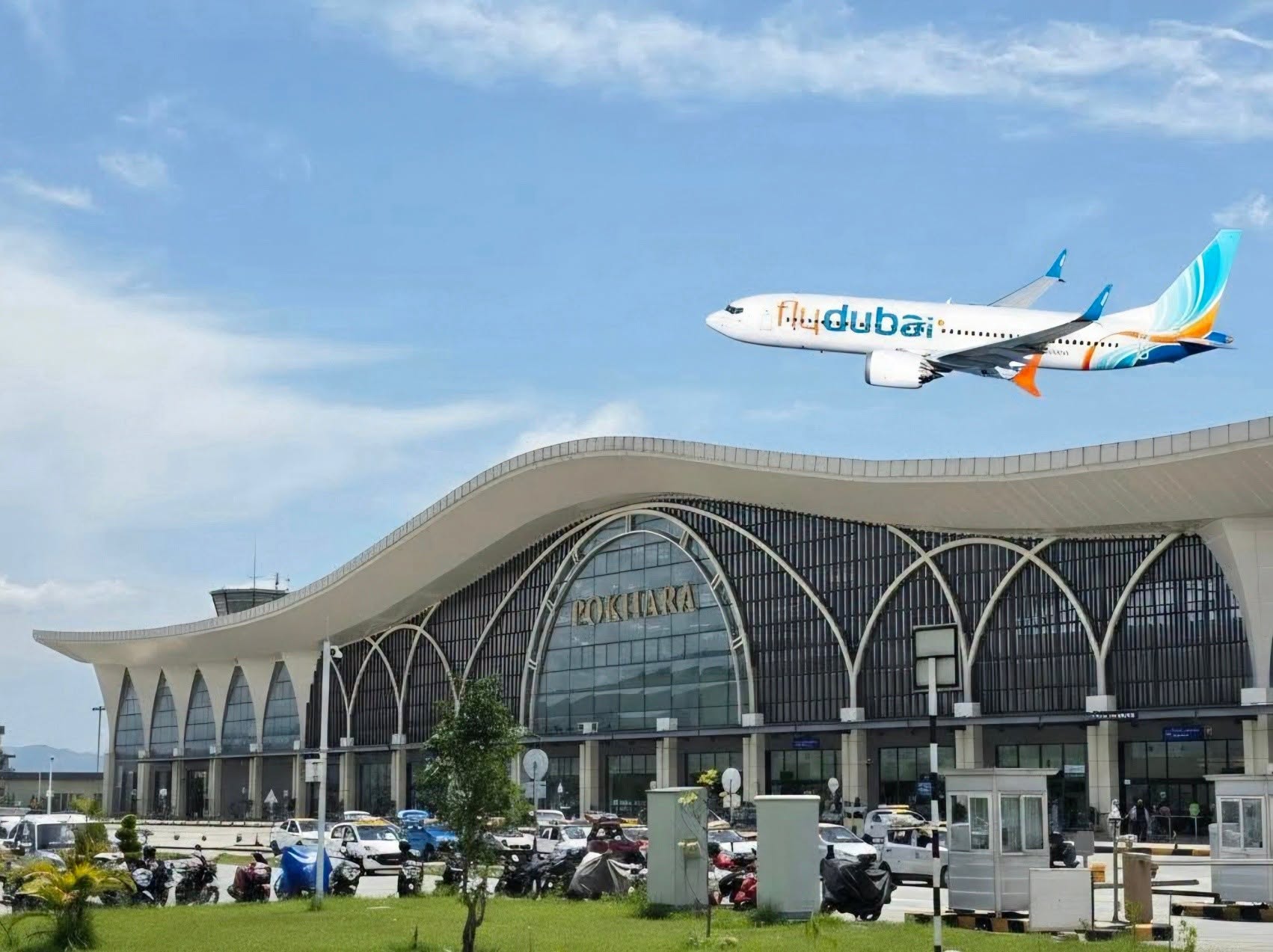
Pokhara is set to strengthen its international air connectivity as Dubai-based airline flydubai begins daily direct flights on the Dubai–Pokhara–Dubai route from September 23, 2026. The new service marks a major development for Nepal’s tourism sector, making flydubai the first UAE-based airline to operate regular direct flights to Pokhara International Airport.
Pokhara will also become flydubai’s second destination in Nepal after Kathmandu, where the airline has operated since 2009. The new connection is expected to make travel between the UAE and Nepal’s tourism capital more convenient while providing international travelers with another gateway to Pokhara through Dubai, one of the world’s major aviation hubs.

Direct Dubai–Pokhara Service Begins
Flydubai’s inaugural flight is scheduled to arrive at Pokhara International Airport at 6:15 pm on September 23, while the return flight will depart Pokhara at 7:15 pm and arrive in Dubai at 10:00 pm. The daily service will operate under flight numbers FZ 1165 and FZ 1166. A water-cannon salute is planned at Pokhara International Airport to welcome the inaugural aircraft and passengers.
The service will be operated using flydubai’s Boeing 737 aircraft, in line with the airline’s all-Boeing fleet. The carrier currently operates Boeing 737-800, 737 MAX 8 and 737 MAX 9 aircraft. The direct service will allow passengers traveling between Dubai and Pokhara to avoid the need to transit through Kathmandu, providing a more convenient international travel option to and from the tourism capital.
New Route Boosts Pokhara’s Tourism Access
The new air link is particularly significant for Pokhara, which serves as one of Nepal’s major destinations for leisure, adventure and mountain tourism. The city attracts visitors with its lakeside attractions, Himalayan scenery and proximity to major trekking routes in the Annapurna region. Flydubai Chief Executive Officer Ghaith Al Ghaith has described Nepal as an important market for the airline and said the new Pokhara service would further strengthen connectivity and links between Nepal and the UAE.
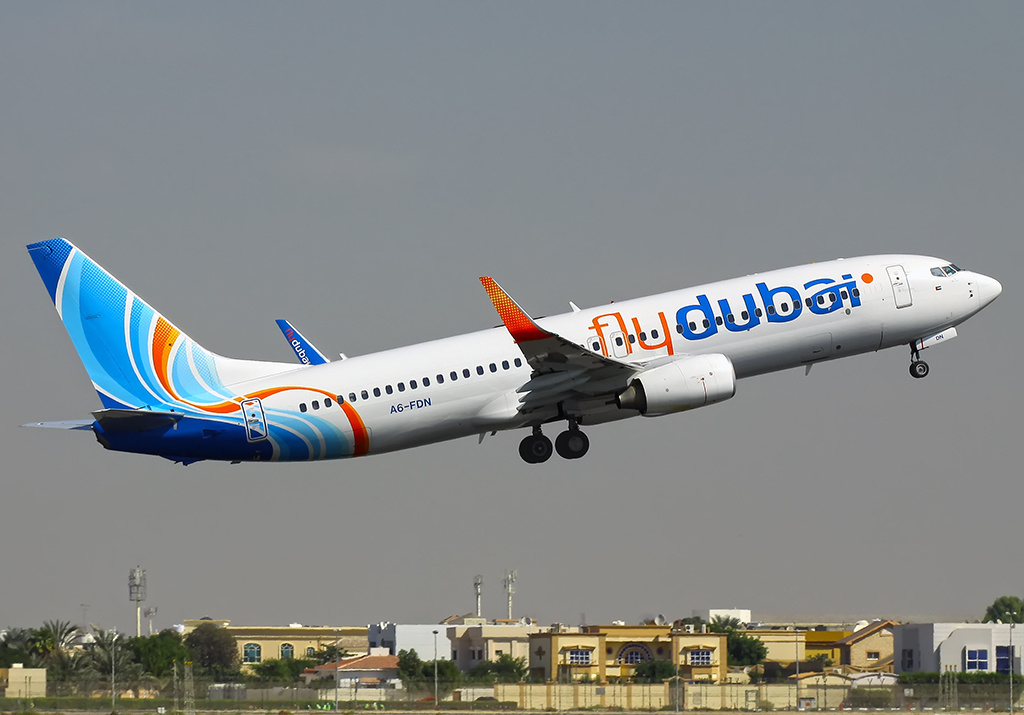
Since beginning operations in Kathmandu in 2009, flydubai has carried approximately four million passengers in Nepal. The addition of Pokhara expands the airline’s network in the country and provides international travelers with a direct route to one of Nepal’s key tourism centers. The new service is also expected to create additional opportunities for Pokhara’s hotels, restaurants, travel companies, trekking operators and other tourism-related businesses by improving the city’s international accessibility.
Dubai Opens Wider International Connections
The importance of the new route extends beyond direct travel between Nepal and the UAE. Dubai serves as a major international aviation hub, allowing passengers arriving from Pokhara to connect onward to destinations across flydubai’s wider network. The Pokhara service operates under the flydubai–Emirates codeshare partnership, providing passengers with broader connectivity through Dubai, including single-ticket itineraries and through baggage arrangements across the combined network.

Flydubai currently serves more than 125 destinations across 56 countries and operates an average of around 2,200 flights per week, according to its September 2026 network update. The addition of Pokhara comes as Pokhara International Airport continues efforts to expand international operations and attract more scheduled international flights.
Pokhara Adds Momentum to International Aviation
The launch of daily Dubai–Pokhara flights represents a significant addition to Pokhara’s international air connectivity. Direct access to Dubai, combined with onward connections through the global aviation hub, provides international travelers with another pathway to Nepal’s tourism capital. The new service also adds momentum to Pokhara’s efforts to establish itself as a stronger international gateway for tourism. With regular flights beginning on September 23, the Dubai–Pokhara connection is set to strengthen the city’s links with the UAE and wider international travel markets.