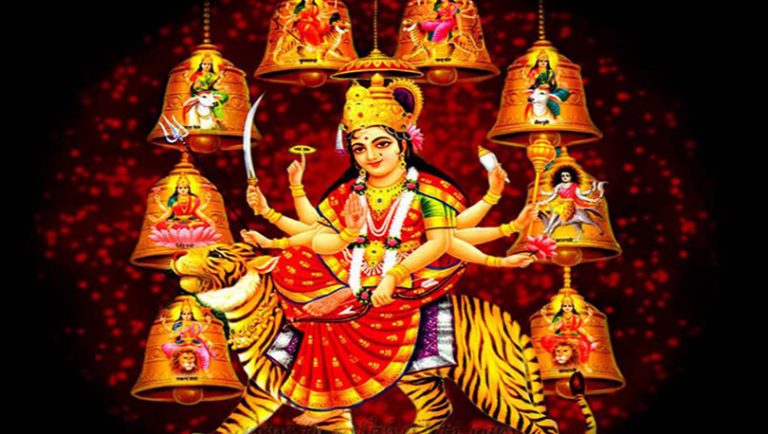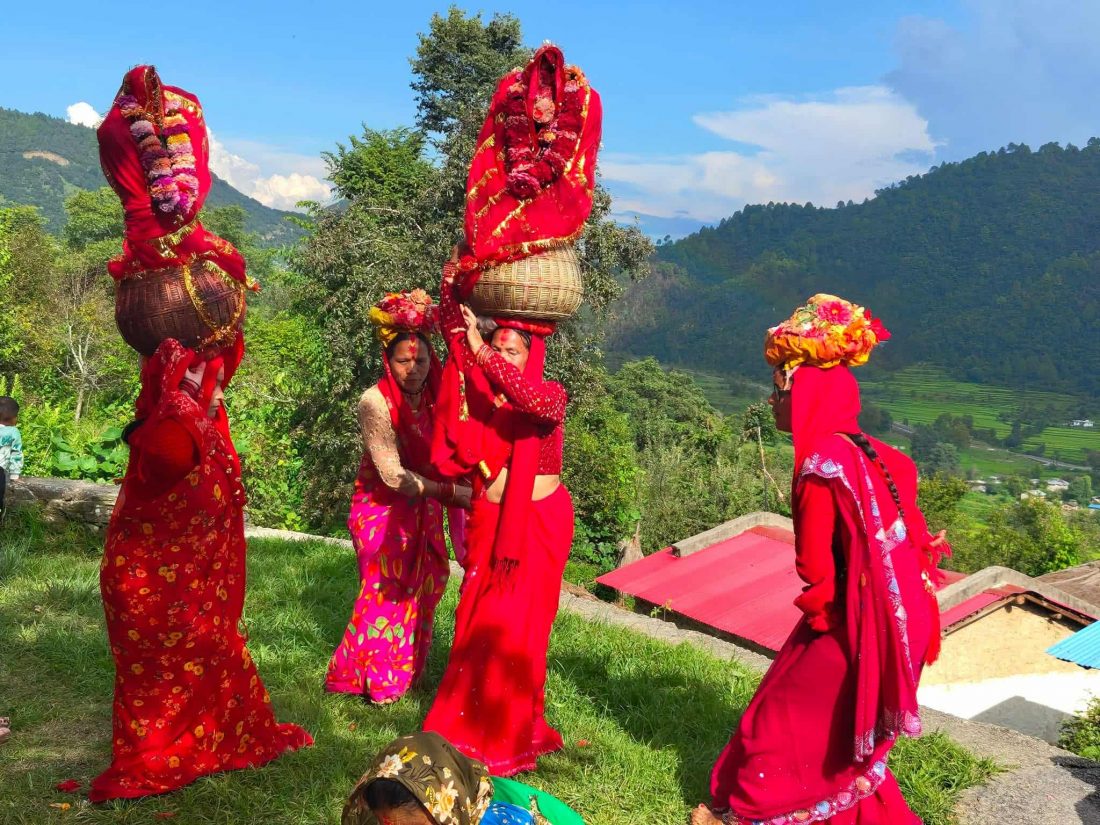
One of the most significant cultural celebrations in Sudurpaschim Province, the Gaura Festival, officially began today with traditional rituals and communal gatherings. The first day of the festival is marked by Biruda Panchami, a day when women who observe fasting soak Biruda, a sacred mixture of five types of grains and legumes, symbolizing purity, fertility, and abundance. This Biruda is later used as prasad during the worship of Gaura Devi, who is revered as a manifestation of Goddess Parvati. The soaking of Biruda is considered the spiritual beginning of the festival, and it is performed with devotion in households and community spaces across the province.
Month-Long Discipline Before Worship
According to Khageshwari Saud, a cultural expert on the Gaura Festival, women who participate in the rituals are expected to follow strict rules for an entire month leading up to the worship. This includes adhering to a pure vegetarian diet, maintaining celibacy, and abstaining from activities considered spiritually impure. “One should follow a strict vegetarian diet and celibacy for a month to take part in this ritual,” Saud explained. The fasting and discipline are not only acts of devotion but are also seen as a means of mental and physical purification before engaging in sacred worship.
Blessings for Health, Longevity, and Prosperity
The core belief behind the Gaura Festival is that fasting and worshiping Gaura Devi bring blessings to one’s family. Devotees pray for the health, longevity, happiness, and prosperity of their partners and family members. Saud noted, “It is believed that by fasting and worshiping Gaura, the partner and family members will be healthy, live long, and be happy and prosperous.” These spiritual aspirations make the festival a deeply personal yet widely celebrated occasion for households across Sudurpaschim.
Deuda Dance Brings Communities Together
From the very first day, the Gaura Festival is also marked by the vibrant and energetic Deuda dance, where men and women of all ages join hands and form circles to sing and dance together. The Deuda is more than just a cultural performance, it is a symbol of unity, community bonding, and the preservation of tradition. The lyrics of Deuda songs often carry historical, mythological, and social themes, creating an atmosphere of joy and togetherness that continues throughout the festival period.
Worship of Parvati as Gaura Devi
Historically, the Gaura Festival is rooted in the worship of Parvati, the consort of Lord Shiva, in the form of Gaura Devi. Since ancient times, this worship has been associated with themes of marital harmony, fertility, and divine blessings. Gaura Devi is believed to represent the virtues of devotion, loyalty, and sacrifice, and her worship during the festival reaffirms the spiritual connection between the goddess and her devotees. The rituals are conducted with chants, offerings, and ceremonial observances passed down through generations.
Cultural and Religious Significance
The Gaura Festival holds immense cultural and religious significance for the people of Sudurpaschim Province. It is not only a time of devotion but also a celebration of community identity and heritage. The festival bridges generations, as elders pass on the knowledge and practices of the festival to younger members of the family. Traditional attire, folk songs, and communal feasts all contribute to the preservation of local customs, ensuring the festival remains an integral part of the region’s cultural fabric.
Participation Beyond Sudurpaschim
Although the Gaura Festival is most prominently celebrated in Sudurpaschim Province, its influence extends beyond the region. Migrants from Sudurpaschim living in other parts of Nepal, as well as abroad, often organize community events to observe the festival. This widespread participation underscores the festival’s role in maintaining cultural ties among the Sudurpaschimi diaspora, even far from home.
Women as the Central Participants
While both men and women take part in the celebrations, women play a particularly central role in Gaura Festival rituals. From soaking the Biruda to leading the worship ceremonies, women’s participation is seen as vital for invoking Gaura Devi’s blessings. The act of fasting, preparing offerings, and managing household rituals reinforces the festival’s deep connection with feminine devotion and family welfare.
Preparations and Social Gatherings
In the days leading up to Biruda Panchami, communities prepare by cleaning homes, collecting grains for Biruda, and arranging for communal spaces where rituals and dances can be performed. Villages and towns come alive with vibrant colors as people dress in traditional outfits and adorn themselves with jewelry and flowers. Food preparations also form a key part of the celebration, with special vegetarian dishes cooked and shared among family and neighbors.
Preserving Tradition Amid Modern Changes
While modernization has influenced many aspects of life in Sudurpaschim, the Gaura Festival has managed to preserve its traditional form. Even younger generations are increasingly engaging in rituals, folk dances, and cultural performances, reflecting a renewed interest in heritage. Local authorities and cultural organizations often play a role in organizing large-scale events, ensuring that the festival continues to be celebrated with the same enthusiasm as in the past.
Looking Ahead
As the Gaura Festival unfolds over the coming days, more rituals, dances, and community events will take place, culminating in the main worship ceremonies of Gaura Devi. With its blend of spiritual devotion, cultural expression, and communal harmony, the festival continues to be a cornerstone of Sudurpaschim’s cultural identity. For many, it is not just a religious event but a reaffirmation of values such as unity, respect for tradition, and the importance of family.