A German climber has died after falling approximately 1,700 metres while descending Mount Ama Dablam, just one day after successfully reaching the Himalayan peak. The incident marks the first reported climbing fatality on the mountain during the autumn 2026 mountaineering season, raising renewed concerns about the risks associated with high-altitude expeditions in Nepal.
The climber, Wolfgang Waschiczek, was reported missing from Camp III, situated at an elevation of around 6,200 metres, on the morning of October 26. Expedition officials said his body was later found and recovered at approximately 4,500 metres following a search and rescue operation supported by a helicopter.
Climber Disappears from Camp III After Successful Summit
Waschiczek and his guide, Sonam Lama, reached the summit of Ama Dablam on October 25. After completing the ascent, the pair returned to Camp III that evening, where they planned to spend the night before continuing their descent. According to information provided by expedition officials, the climber and his guide had to borrow sleeping equipment from other mountaineers at the camp.
The two remained at Camp III overnight following their successful summit attempt. The following morning, Lama briefly left the immediate camp area to return the borrowed equipment to fellow climbers. Before leaving, he reportedly asked Waschiczek to remain at the camp with his safety equipment. However, when the guide returned a few minutes later, Waschiczek was no longer there. His sudden disappearance prompted concerns about his whereabouts, and a search operation was initiated.
Helicopter-Assisted Search Leads to Body Recovery
After Waschiczek was reported missing, a search and rescue operation was launched with assistance from a Kailash helicopter. The search team eventually located his body at an altitude of approximately 4,500 metres, considerably below Camp III. Expedition officials reported that the climber had fallen an estimated 1,700 metres. His body was subsequently recovered and transported to Kathmandu for a post-mortem examination.
Although the reported fall provides an indication of the scale of the accident, the precise circumstances leading to his disappearance and death have not been independently established. Further details about what happened after the guide left the camp remain unclear. The recovery operation brought the search to an end, while the post-mortem examination was expected to form part of the process for determining the circumstances surrounding his death.
First Reported Fatality on Ama Dablam This Season
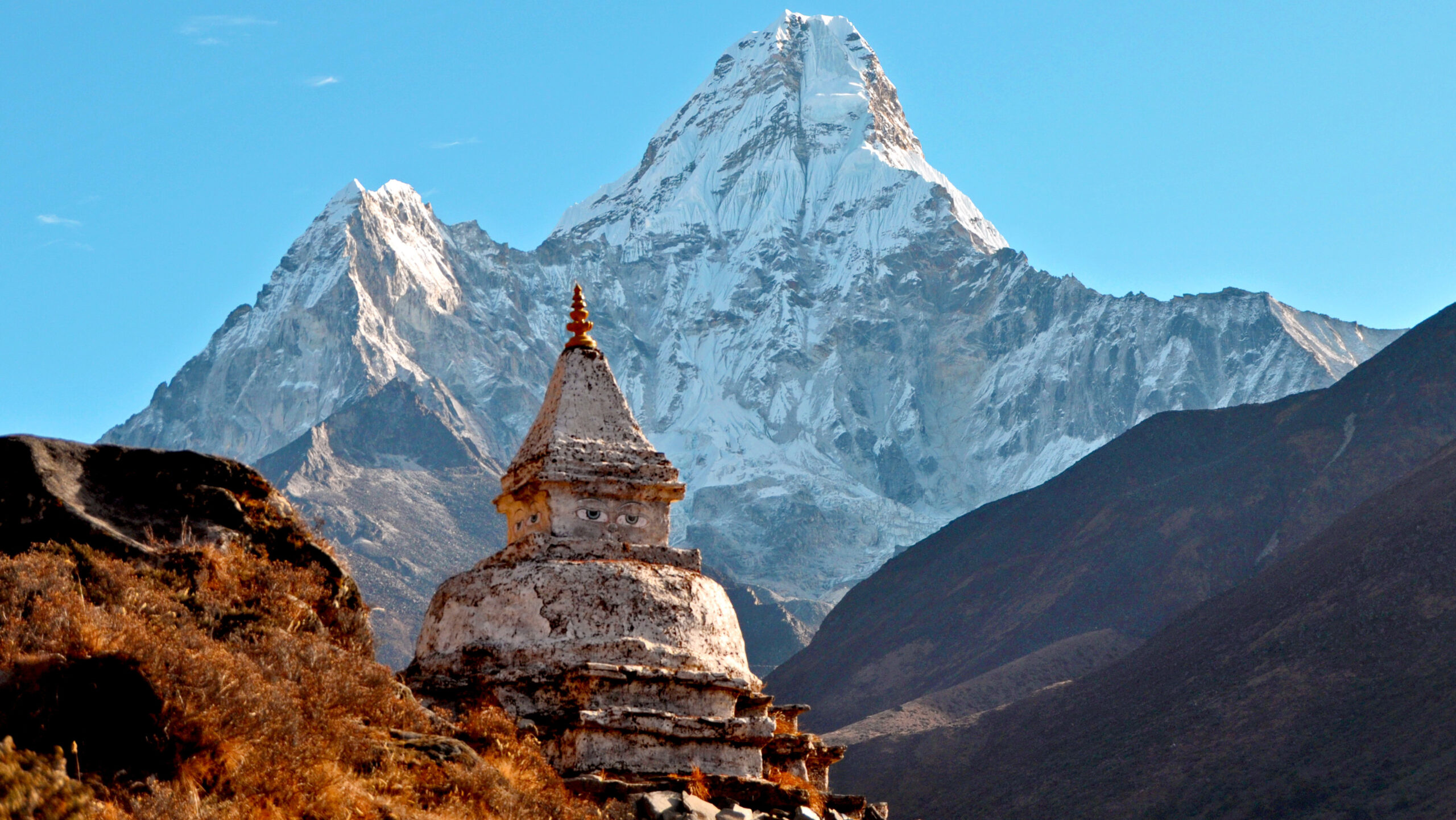
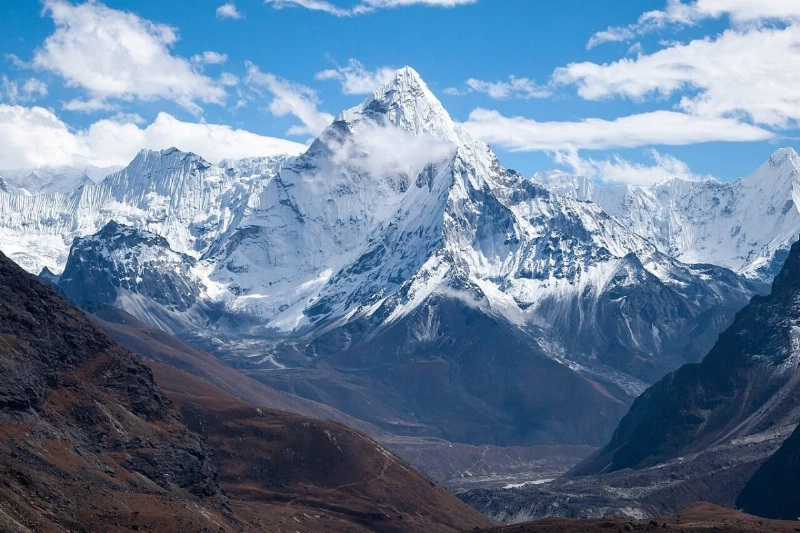
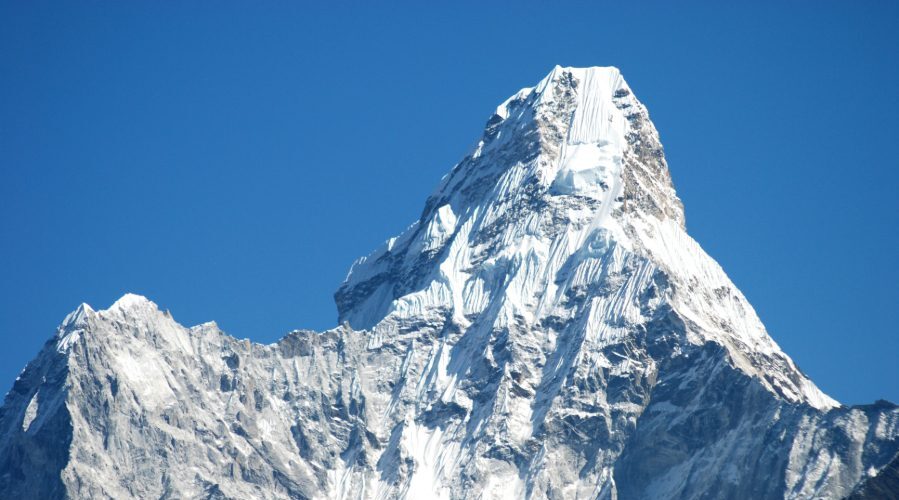
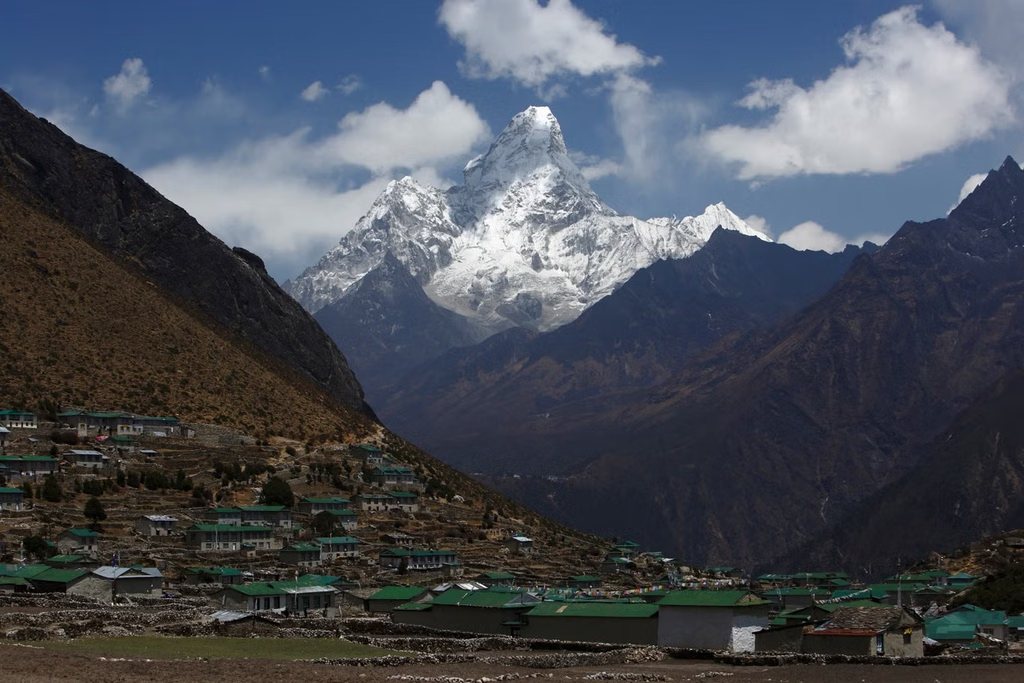
Waschiczek’s death is the first reported mountaineering fatality on Ama Dablam during the current autumn climbing season. More than 300 climbers are reportedly attempting to ascend the mountain this season, making it a busy period for expeditions in the region. Ama Dablam, which rises to 6,812 metres above sea level, is among Nepal’s best-known Himalayan climbing destinations. Located in the Khumbu region of northeastern Nepal, the mountain attracts experienced mountaineers from around the world because of its distinctive appearance, steep ridges and technically demanding climbing sections.
Although it is lower than many of Nepal’s highest peaks, Ama Dablam presents significant challenges. Climbers must navigate exposed terrain, steep rock and ice, and sections that require technical climbing skills. Conditions can change rapidly at high elevations, increasing the difficulty of both summit attempts and descents.
Descent Remains a Critical Stage of High-Altitude Climbing
The incident highlights the dangers mountaineers can face even after successfully reaching a summit. While reaching the highest point is often considered the main objective of an expedition, climbers must still negotiate challenging terrain on their return journey, frequently while dealing with fatigue and exposure to harsh weather. At high-altitude camps, climbers may encounter steep slopes, narrow ridges, icy surfaces and limited room for movement.
A loss of balance or an unexpected incident can have serious consequences, particularly on exposed mountain faces. The circumstances of Waschiczek’s fall remain unconfirmed, and it would be premature to attribute the accident to any specific cause. Nevertheless, the incident serves as a reminder that careful planning, appropriate safety equipment, communication between climbers and guides, and continuous assessment of mountain conditions are essential throughout an expedition.
Ama Dablam Continues to Attract International Mountaineers
Despite the risks associated with climbing, Ama Dablam remains a major attraction for international mountaineers visiting Nepal. Its striking profile and demanding ascent have established it as one of the country’s prominent climbing objectives, particularly among climbers seeking a technically challenging Himalayan experience. Mountaineering contributes to Nepal’s adventure tourism industry by generating demand for expedition operators, guides, porters, accommodation providers, transport services and other local businesses.
However, the hazards associated with high-altitude climbing also underline the importance of effective expedition management, emergency preparedness and reliable rescue services. The death of Waschiczek has cast a shadow over the current climbing season on Ama Dablam. As the mountain continues to draw climbers from different countries, the incident underscores the importance of safety at every stage of an expedition, including the journey back from the summit.