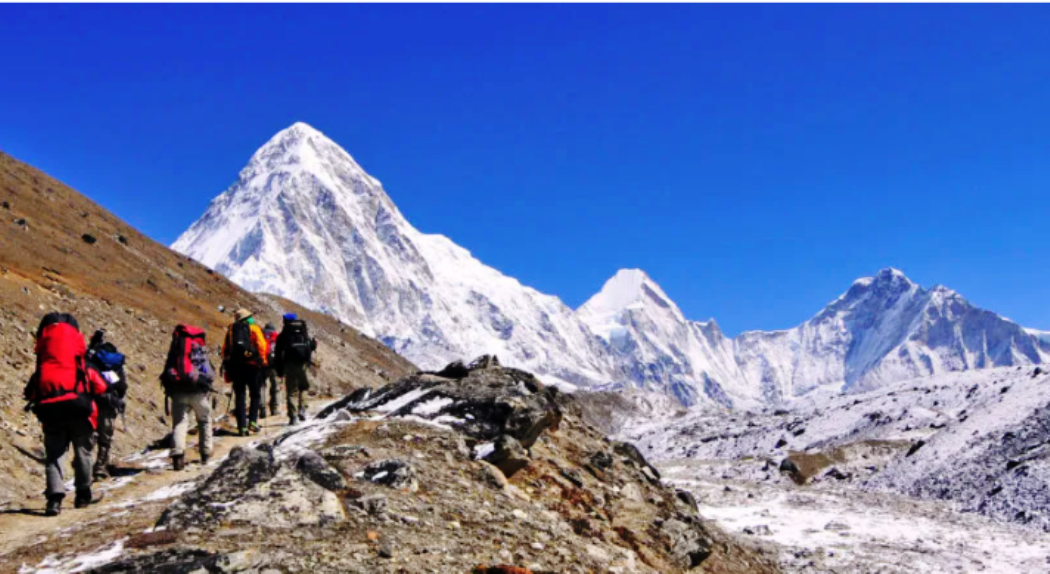
Nepal’s popular Annapurna Circuit Trek recorded a significant increase in foreign tourist arrivals during this year’s Dashain festival, welcoming 5,384 international visitors between Ghatasthapana and Kojagrat Purnima. According to the Tourist Checkpost and Information Centre of the Annapurna Conservation Area Project (ACAP) in Dharapani, a total of 5,384 foreign tourists visited the Annapurna Circuit between October 11 and October 25, 2026 (Ashoj 25 to Kartik 8, 2083 BS).
The figure represents a substantial rise compared with the same festive period last year, when 2,757 tourists visited the trekking route. Bhupendra Gurung, chief of the tourist checkpost and information centre in Dharapani, said that tourist arrivals increased by 2,627 compared with the corresponding period last year. The growth highlights the Annapurna region’s continuing appeal among international trekkers and its importance to Nepal’s mountain tourism sector.
Tourist Arrivals Nearly Double During Dashain
The Annapurna Circuit recorded nearly a 95.3 percent increase in foreign tourist arrivals during the Dashain period compared with the previous year. The number of visitors rose from 2,757 in 2025 to 5,384 in 2026, indicating a strong recovery in trekking activity during the major Nepali festival. Gurung attributed the increase to several factors, including favourable weather conditions and the growing popularity of travel and outdoor recreation.
He also noted that damage caused by floods and landslides along the Manaslu trekking route had affected movement in that area, prompting some trekkers to choose the Annapurna Circuit as an alternative destination. The combination of improved trekking conditions and a shift in visitor choices appears to have contributed to the higher number of arrivals. The increase also demonstrates the importance of maintaining alternative trekking routes and supporting tourism destinations when natural disasters disrupt access to other areas.
Indian, German and Israeli Tourists Among Top Visitors
Data from the Dharapani checkpost show that the 5,384 visitors included 3,288 men, 2,094 women, and two people recorded under other categories. Of the total arrivals, 609 tourists came from South Asian Association for Regional Cooperation (SAARC) countries, while 4,775 came from non-SAARC countries. This indicates that the Annapurna Circuit continued to attract a predominantly non-SAARC international trekking market during the festival period.
India recorded the highest number of visitors, with 606 tourists. Germany followed with 438 visitors, while 418 tourists came from Israel. France accounted for 364 arrivals, and the United States contributed 352 visitors. The diversity of visitor nationalities reflects the Annapurna region’s international reputation as a trekking destination. Its mountain scenery, cultural diversity, traditional settlements, and opportunities for high-altitude adventure continue to attract travellers from across the world.
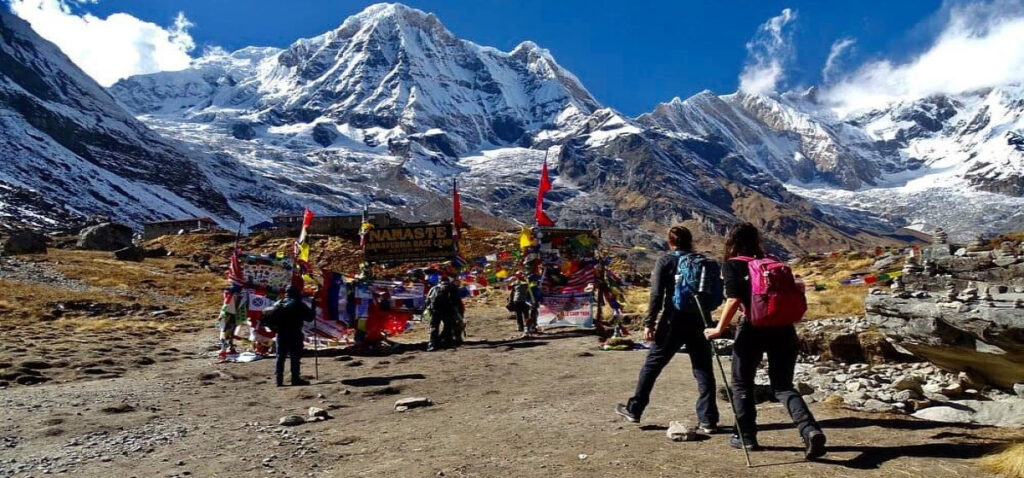
Annapurna Circuit Offers Himalayan Scenery and Cultural Experiences
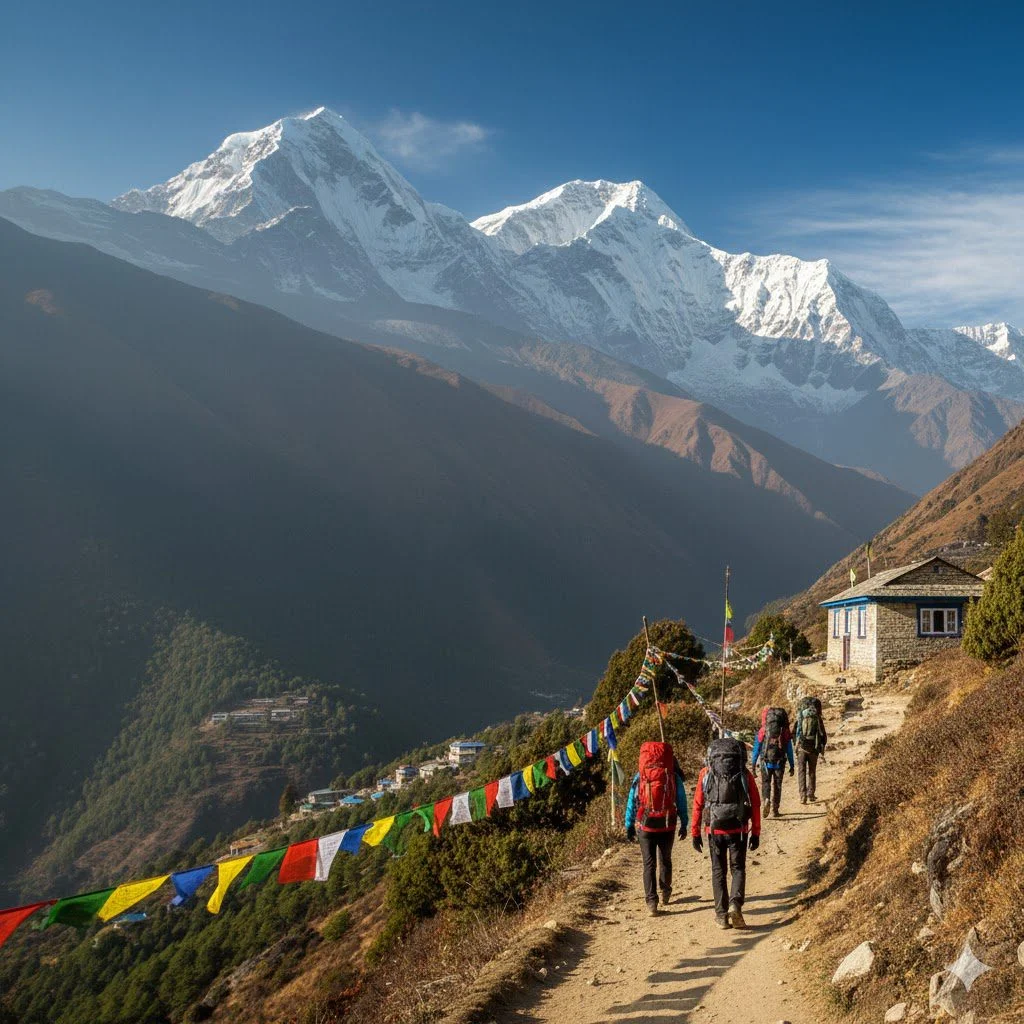
The Annapurna Circuit Trek begins in Besisahar, Lamjung, and passes through the mountainous landscapes of Manang before crossing the Thorong La Pass and continuing towards Mustang. The route is renowned for its dramatic Himalayan scenery, diverse terrain, traditional villages, and distinctive local cultures. Trekkers can experience changing landscapes, mountain views, and the cultural heritage of communities living along the trail.
Its combination of natural beauty and cultural experiences makes the Annapurna Circuit one of Nepal’s best-known trekking routes. The journey also provides opportunities to explore mountain settlements and observe local traditions while experiencing the geographical diversity of the Annapurna region. The route’s popularity contributes to the wider tourism economy by supporting accommodation providers, restaurants, guides, porters, transport operators, and small businesses serving trekkers.
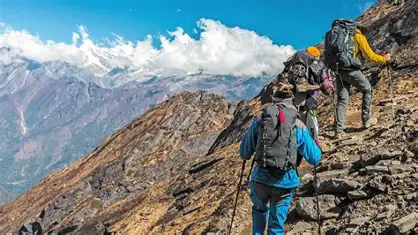
Weather and Alternative Routes Influence Trekking Trends
Favourable weather during the Dashain period was one of the factors cited for the increase in tourist arrivals. Suitable trekking conditions can encourage visitors to undertake longer mountain journeys and improve their overall experience. Meanwhile, flood and landslide damage along the Manaslu trekking route affected access and influenced the travel decisions of some visitors. According to Gurung, some trekkers redirected their plans towards the Annapurna Circuit.
This shift highlights the importance of route accessibility, timely information, and effective disaster preparedness in Nepal’s mountain tourism sector. Maintaining trail safety and providing accurate updates on weather, road conditions, and trekking routes can help visitors make informed decisions.As trekking destinations are vulnerable to natural hazards, coordination among conservation authorities, l ocal governments, tourism operators, and rescue services remains essential for visitor safety and sustainable tourism management.
Rising Arrivals Bring Opportunities for Local Communities
The increase in tourist arrivals offers encouraging prospects for communities along the Annapurna Circuit. Higher visitor numbers can generate income for local lodges, restaurants, guides, porters, transport providers, and shops, helping support livelihoods in mountain areas. However, sustained growth will depend on maintaining safe trails, protecting the natural environment, managing waste, and preserving the cultural heritage of local communities.
Responsible tourism practices and well-maintained visitor facilities will be important to ensure that rising arrivals translate into long-term benefits. The arrival of 5,384 foreign tourists during the Dashain period reinforces the Annapurna Circuit’s position as a major trekking destination in Nepal. With its spectacular Himalayan landscapes, cultural richness, and established trekking appeal, the route continues to offer significant opportunities for mountain tourism and local economic development.