Ghorepani and Poon Hill, two of Nepal’s most celebrated tourism destinations located in Annapurna Rural Municipality–6, have witnessed significant tourism infrastructure development aimed at enhancing visitor experience and extending tourist stays in the region. The new infrastructure projects have been completed under the fiscal year 2082/83 budget allocation, marking another important step in strengthening tourism facilities in one of the country’s most visited trekking corridors.
The development projects were funded jointly through a budget allocation of Rs 2.7 million from Annapurna Rural Municipality and Rs 500,000 from the Gandaki Provincial Government, with investments focused on expanding adventure tourism opportunities and improving essential facilities for both domestic and international visitors. The newly completed projects include the construction of cycling trails, pedestrian pathways, public toilets, and a bus park, all designed to make travel more convenient while encouraging tourists to spend more time exploring the broader Ghorepani–Poon Hill area.
Local Government Prioritizes Sustainable Tourism Development
According to Ward Chairperson Ram Bahadur Khadka of Annapurna Rural Municipality–6, all tourism-related infrastructure projects that had received budget allocation for the current fiscal year have now been successfully implemented. Khadka stated that the municipality has been continuously identifying supporting tourism destinations and expanding infrastructure in order to encourage visitors to extend their stay beyond the traditional short visits to Ghorepani and Poon Hill.

He emphasized that the goal is not only to improve accessibility but also to create new tourism experiences that diversify activities for travelers visiting the region. According to local authorities, the newly expanded infrastructure will significantly improve convenience for visitors and support the long-term growth of tourism-based economic activities in the area. As tourism remains one of the primary economic drivers in the Annapurna region, the municipality has been increasingly investing in infrastructure that supports both adventure tourism and eco-tourism.
Four-Kilometer Cycling Trail Opens New Adventure Tourism Opportunity
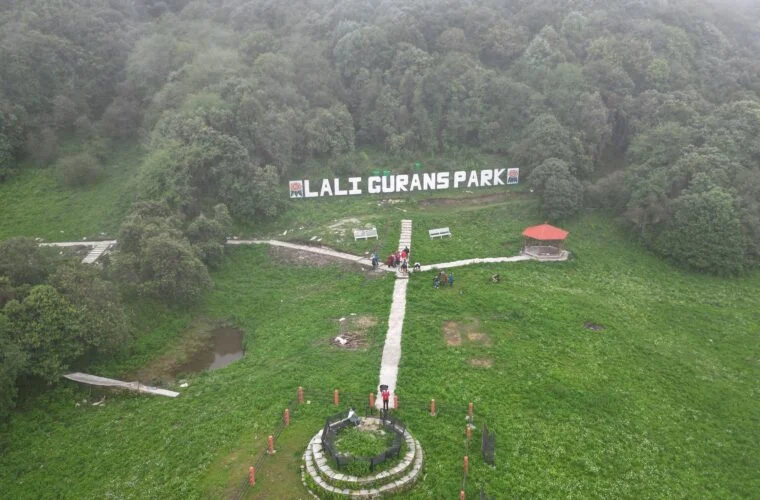
One of the major infrastructure projects completed this year is the construction of a four-kilometer cycling trail connecting Poon Hill to various nearby tourism sites. Built with a budget allocation of Rs 600,000 from Annapurna Rural Municipality, the cycling route begins from Poon Hill and extends through Lunglung Siddha, passes through the Laliguras Park, and eventually connects to Phaleghar in Ghorepani.
The new trail introduces an entirely new adventure tourism experience in the region by allowing visitors to enjoy cycling through dense rhododendron forests while simultaneously taking in spectacular Himalayan views. Situated at an altitude of 3,210 meters above sea level, Poon Hill has long been famous as one of Nepal’s finest sunrise viewpoints. The addition of this cycling route now offers travelers a new opportunity for adventure activities beyond conventional trekking experiences. Local officials believe this development will attract a growing segment of adventure-seeking domestic and international travelers interested in mountain biking experiences combined with nature-based tourism.
New Walking Trails and Public Facilities Improve Tourist Comfort
In addition to the cycling route, Annapurna Rural Municipality has invested Rs 1.4 million to construct a series of essential tourism facilities including pedestrian pathways, entrance gates, and public toilets connected to the popular Laliguras Park area. The improved walking trails are expected to provide safer and more comfortable access for trekkers visiting the area, particularly during Nepal’s peak tourism seasons when thousands of hikers travel through the Ghorepani–Poon Hill route. Chairperson of the consumer committee, Ran Bahadur Pun, explained that around 300 meters of previously muddy sections along the trail have been concreted, transforming difficult walking sections into durable and weather-resistant pathways.
These improvements are particularly important during the monsoon season, when muddy trails often create difficulties for trekkers and negatively impact visitor satisfaction. The construction of clean public sanitation facilities has also been prioritized as part of broader efforts to raise the standard of tourism services in line with growing international tourism expectations.
Deurali Hill Trail Upgraded for Safer Trekking Experience
Another important infrastructure project completed during the fiscal year includes the upgrading of trekking trails at Deurali Danda, a popular section within the region frequently used by trekkers traveling along the Annapurna Circuit. Using a budget allocation of Rs 400,000, authorities have constructed a 40-meter stone-paved walking trail, significantly improving safety and accessibility for travelers passing through the area.

The stone paving work is expected to reduce erosion damage while ensuring that trekking routes remain accessible throughout the year, especially during rainy conditions when trails often become slippery and dangerous. Local tourism stakeholders say improving trekking infrastructure remains critical as Nepal continues to position itself as a global trekking destination. By improving trail conditions, authorities hope to enhance overall visitor satisfaction and encourage repeat tourism.
New Bus Park Constructed at Lower Ghorepani
Recognizing the growing importance of transportation access, local authorities have also completed construction of a new bus park at Lower Ghorepani. The bus park project, developed with an investment of Rs 300,000, is expected to improve transportation management for visitors arriving in the area while supporting increasing local traffic generated by tourism-related activities.
Improved road access has gradually transformed the region over recent years, making destinations that were previously accessible only by trekking more connected with Nepal’s expanding road network. Local communities have also played an active role in improving accessibility. Community-led initiatives this year successfully connected Ghorepani to the road network, reaching Ulleri in Kaski District, further strengthening regional transportation links. The bus park is expected to serve as an important transportation hub for both tourists and local residents.
Gandaki Province Government Supports Regional Connectivity Expansion
The Gandaki Provincial Government has also contributed to the expansion of tourism infrastructure in the Ghorepani–Poon Hill area. Ward Chairperson Ram Bahadur Khadka confirmed that a pedestrian trail connecting Ghorepani to Ghandruk has been completed with financial support of Rs 500,000 allocated by the provincial government.
This new trail improves trekking connectivity between two of the Annapurna region’s most visited tourism destinations, making it easier for trekkers to move between routes while expanding opportunities for multi-destination trekking experiences. Additionally, the Gandaki Provincial Government has allocated Rs 30 million for an ongoing infrastructure project to gravel a four-kilometer road section connecting Chitre to Ghorepani.
The road project remains under construction and is expected to further improve transportation access into the tourism zone once completed. Officials believe stronger road connectivity will contribute significantly to regional tourism growth while improving supply chain efficiency for local businesses.
Long-Term Tourism Vision Focused on Extending Visitor Stay
Tourism planners in Annapurna Rural Municipality are increasingly focused on a long-term strategy aimed at extending tourist stays in the region rather than limiting visits to short sunrise trips to Poon Hill. Previously, tourism development projects had already introduced attractions such as Laliguras Park, as well as a horse-riding route connecting visitors to Peribharani Lake, diversifying experiences beyond traditional trekking.
Former Chairperson of Annapurna Rural Municipality and Ghorepani resident Dambar Bahadur Pun explained that the municipality is actively studying additional cycling route possibilities based on changing tourist preferences. Feasibility studies have already been conducted for expanding cycling routes connecting Ramche–Kafaldanda, Histan Tikot, Shikh, and Khiwang.
According to tourism planners, expanding alternative adventure activities has become increasingly necessary because road construction in some parts of the region has displaced several traditional trekking routes. By creating new tourism experiences such as mountain biking and adventure circuits, local authorities hope to maintain visitor interest and increase average tourist spending in the area.
Poon Hill Continues to Shine as One of Nepal’s Most Iconic Himalayan Viewpoints
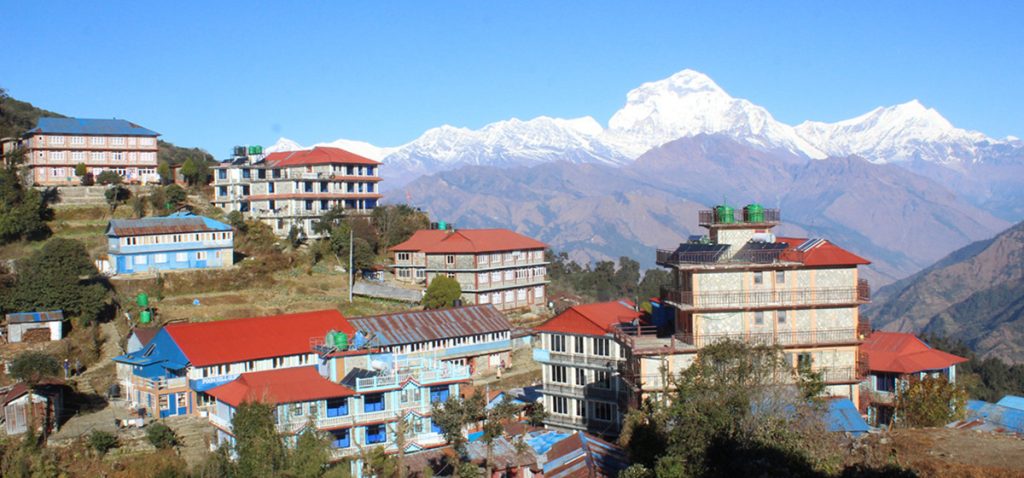
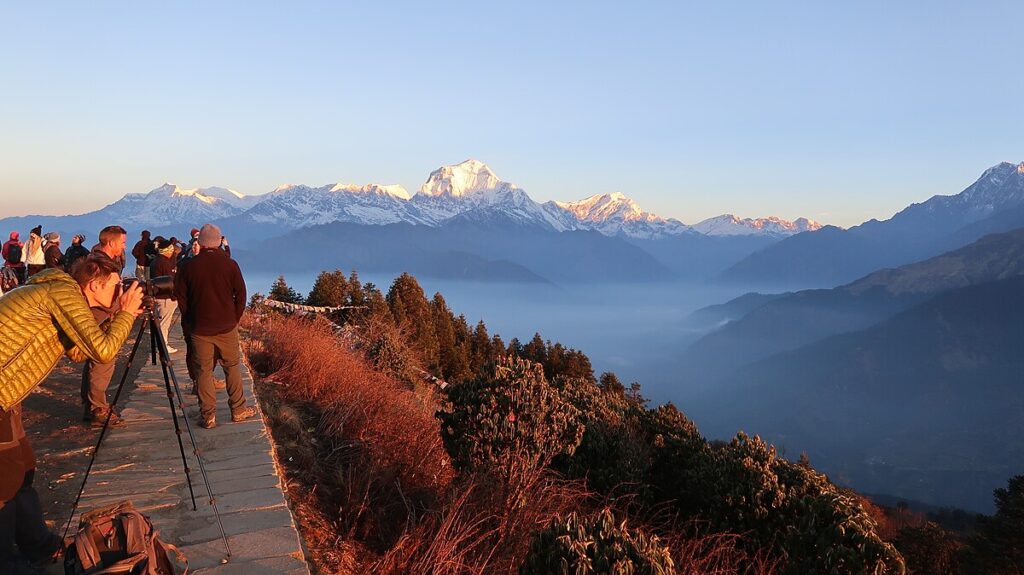
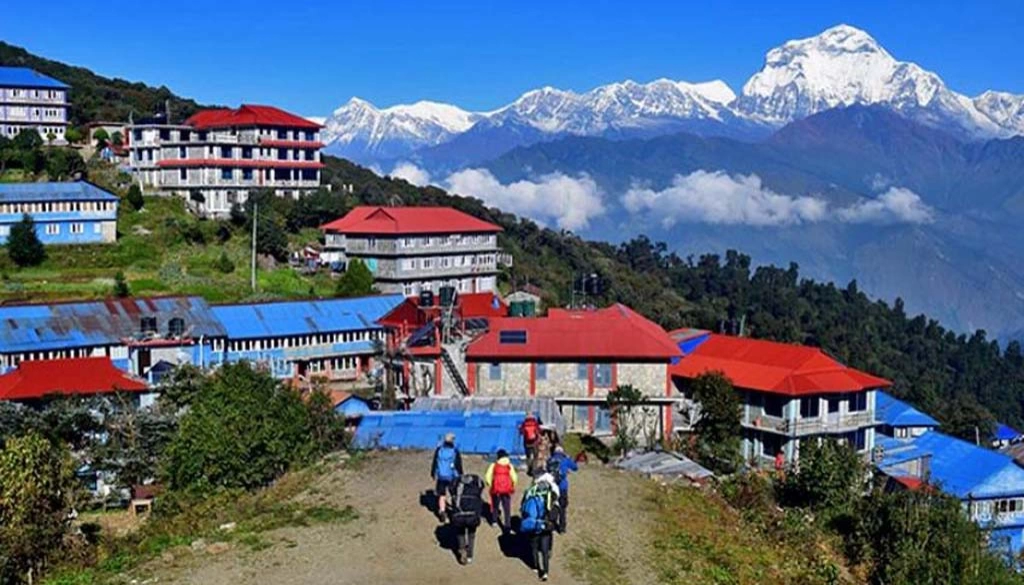
Located just 45 minutes uphill from Ghorepani, Poon Hill remains one of Nepal’s most iconic mountain viewpoints and one of the country’s most photographed trekking destinations. From the summit, visitors can witness spectacular panoramic views of several Himalayan peaks including Gurja Himal, Putha Himal, Manapathi, Nilgiri Himal, Annapurna Massif, and Machhapuchhre.

The destination is internationally renowned as one of the key highlights of the world-famous Annapurna Circuit Trek, attracting thousands of trekkers from around the world every year. Its accessibility, combined with stunning sunrise views over the Himalayas, has helped establish Poon Hill as one of Nepal’s flagship tourism destinations.
Infrastructure Expansion Signals Positive Future for Mountain Tourism
The completion of these new infrastructure projects demonstrates growing efforts by local and provincial governments to strengthen tourism infrastructure in Nepal’s mountain destinations. As competition among global trekking destinations continues to increase, improving visitor facilities and diversifying tourism experiences have become increasingly important. The Ghorepani–Poon Hill infrastructure expansion not only improves convenience and safety for travelers but also represents a broader strategy to create sustainable tourism growth that directly benefits local communities.
With new cycling routes, improved trekking paths, better sanitation facilities, transportation upgrades, and plans for further expansion already underway, the future of tourism in the Ghorepani–Poon Hill region appears increasingly promising. Local stakeholders remain optimistic that these developments will help transform the region into an even more attractive destination for both adventure seekers and leisure travelers visiting Nepal.