The Hotel Association Nepal (HAN) has urged the government to introduce necessary legal and procedural reforms to formally facilitate the hotel sector as an industry and provide it with facilities available to industrial enterprises. The association submitted a set of policy, legal and procedural recommendations to the government after the Prime Minister’s Office called on private-sector organizations to provide suggestions for necessary legal reforms.
HAN President Binayak Shah said the association submitted its recommendations in the three-page format requested by the government. Shah said the recommendations largely addressed issues Hotel Association Nepal has been raising with the government repeatedly, emphasizing that the government could facilitate the sector by making necessary legal and procedural reforms.
HAN Seeks Effective Implementation of Industrial Status
One of the key demands put forward by Hotel Association Nepal is the effective implementation of the legal provision recognizing the hotel sector as an industry. According to the association, although hotels have been given legal recognition as an industry, the absence of necessary procedures has prevented the provision from being fully implemented.

HAN said this has affected the competitiveness of hotels, particularly because they are required to pay electricity charges at commercial rates rather than industrial rates. The association said industrial electricity tariffs are around Rs 6–7 per unit, while commercial consumers pay approximately Rs 16–17 per unit. The association has therefore urged the government to establish the necessary procedures to enable hotels to access industrial facilities, arguing that such measures would reduce operating costs and improve the competitiveness of Nepal’s hospitality sector.
Regulation of Informal Accommodation Sector
HAN has also called for stronger regulation of the growing informal accommodation sector, including homestays and bed-and-breakfast (B&B) facilities operating outside formal registration and taxation systems. According to the association, the informal sector has expanded significantly and, in some areas, has become larger than the formal sector. HAN said unregulated operations have resulted in the state losing potential revenue while also creating distortions in the hospitality market. The association has therefore recommended a clear policy and regulatory framework governing the establishment and operation of accommodation businesses, including informal tourism accommodation providers.
Five-Year National Tourism Master Plan Proposed
HAN has also called for a five-year national tourism master plan aimed at strengthening tourism infrastructure, air connectivity and international market development. The association said hotels have attracted investment comparable to major public-sector investments, but many properties are currently operating at only around one-third of their capacity.
HAN has proposed a coordinated national strategy covering infrastructure development, airports and international tourism markets, particularly with the government’s target of attracting five million tourists by 2087 B.S. The association has urged the government to address the proposed strategy through an appropriate legal framework and ensure coordinated implementation across relevant sectors.
Focus on Skilled Workforce and Policy Stability
The shortage of skilled human resources has also been identified as a major challenge for Nepal’s hospitality industry. HAN said the hotel sector has continued to expand, but the availability of trained and skilled workers has not kept pace with market demand. The association has called for government programmes to increase the supply of skilled workers and address the continued migration of trained young people abroad. It has also urged the government to introduce legal reforms and maintain stable policies that would allow businesses to plan investments and operations with greater certainty.
Indian and Cross-Border Tourists to Be Included in Arrival Data
Another recommendation concerns the recording of tourists entering Nepal through land routes. HAN said thousands of Indian tourists enter Nepal by road and visit hotels and casinos in border areas, but such visitors are not adequately reflected in the country’s official international tourist arrival statistics. The association has proposed a policy to incorporate such visitors, as well as their tourism expenditure, into national tourism statistics. According to HAN, better recording of these visitors would provide a more comprehensive picture of Nepal’s tourism activity and economic contribution.
Call for Easier Digital Payments and Currency Exchange
HAN has also called for improvements in foreign currency exchange and electronic payment systems to make Nepal more convenient for international visitors. The association noted that although provisions have been included in monetary policy to facilitate the exchange and use of currencies such as the Bangladeshi taka, implementation remains incomplete. HAN has also urged the government to simplify online payment systems alongside the existing e-visa facility. The association believes easier payment and currency arrangements could improve the visitor experience and contribute to increased tourist spending in Nepal.
Legal Framework for Paid Holiday Tourism
HAN has recommended developing and implementing a clear procedure for the government’s paid holiday tourism concept for civil servants. The association said the initiative could provide a significant boost to domestic tourism if implemented effectively. Although the government has previously introduced the concept of paid holidays for tourism, HAN said the absence of a strong implementation mechanism and appropriate legal framework has limited its effectiveness. The association has therefore urged the government to establish the necessary legal and procedural provisions to make the programme operational.

Strengthening Key Tourism Institutions
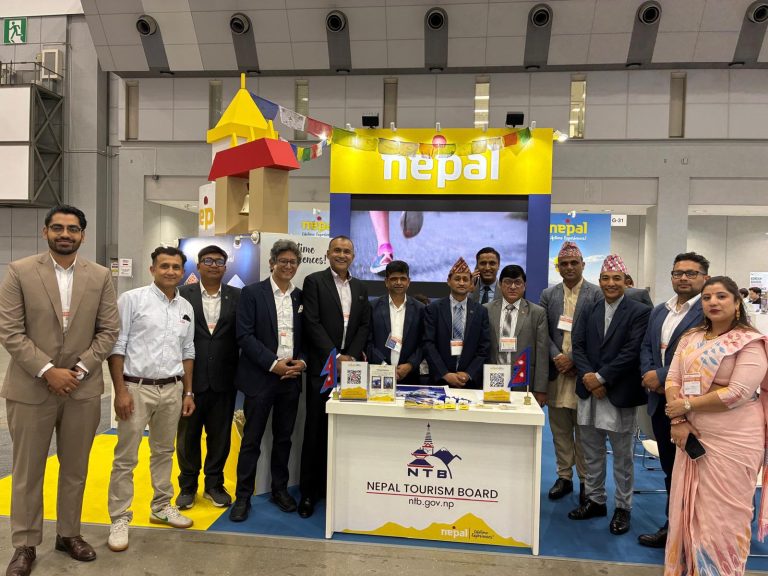
HAN has also called for institutional strengthening of major government and tourism bodies, including the Nepal Tourism Board (NTB), Civil Aviation Authority of Nepal (CAAN), and Nepal Airlines Corporation. The association has recommended making these institutions more efficient and effective in carrying out their respective responsibilities. It has also called for the timely approval and implementation of the Nepal Tourism Board’s budget and programmes to avoid delays in tourism promotion and development activities.
Policy and Legal Reform Seen as Key to Sustainable Growth
HAN President Binayak Shah said the hotel industry requires a supportive policy and legal environment to sustain investment and improve its contribution to the national economy. The association’s recommendations cover electricity costs, industry recognition, informal accommodation, tourism planning, human resources, tourist data, digital payments, domestic tourism and institutional strengthening.
The proposals come as Nepal’s hospitality sector continues to seek stronger policy support amid challenges related to investment, operating costs, market demand and workforce availability. HAN has urged the government to translate existing legal provisions into effective procedures and implementation mechanisms to create a more predictable and competitive environment for the tourism and hotel industry.