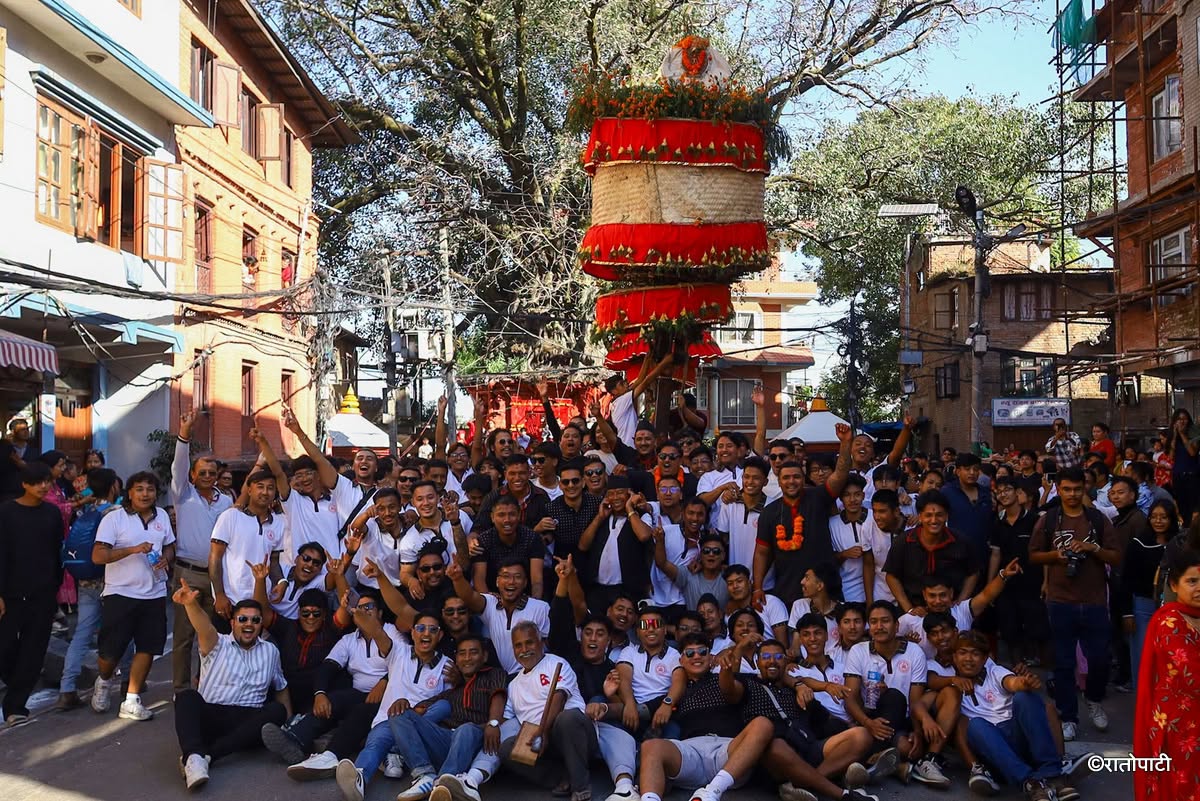
The traditional Chokkathunarayan Jatra is being observed in Handigaun, Kathmandu Metropolitan City–5, showcasing the ancient cultural heritage, religious traditions, and distinctive festival practices of the historic settlement. The annual festival is celebrated after Kojagrat Purnima and is considered one of the area’s important traditional jatras.
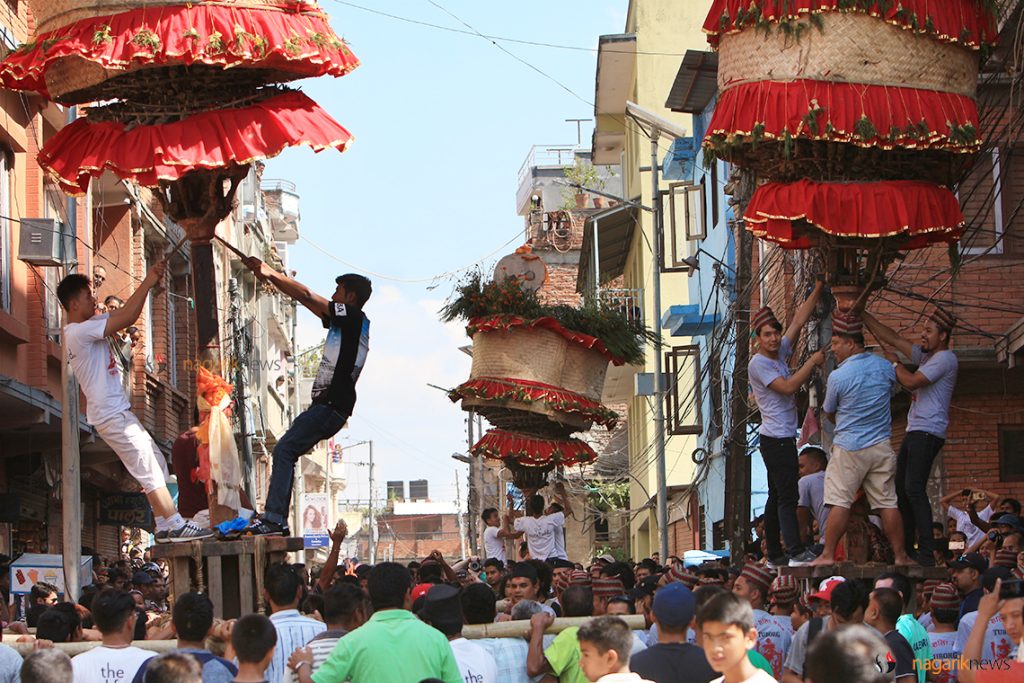
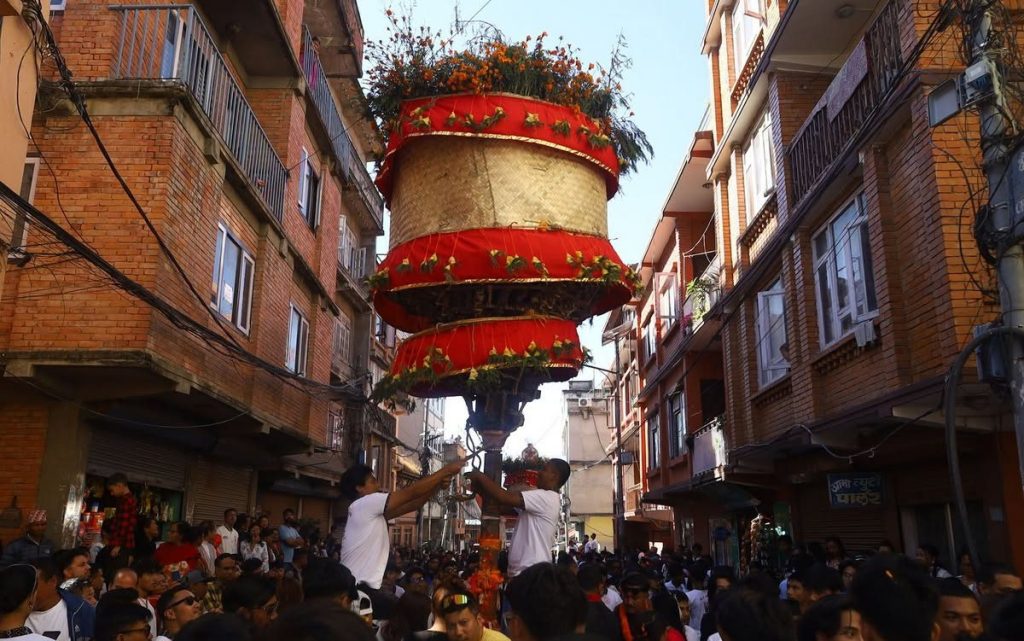
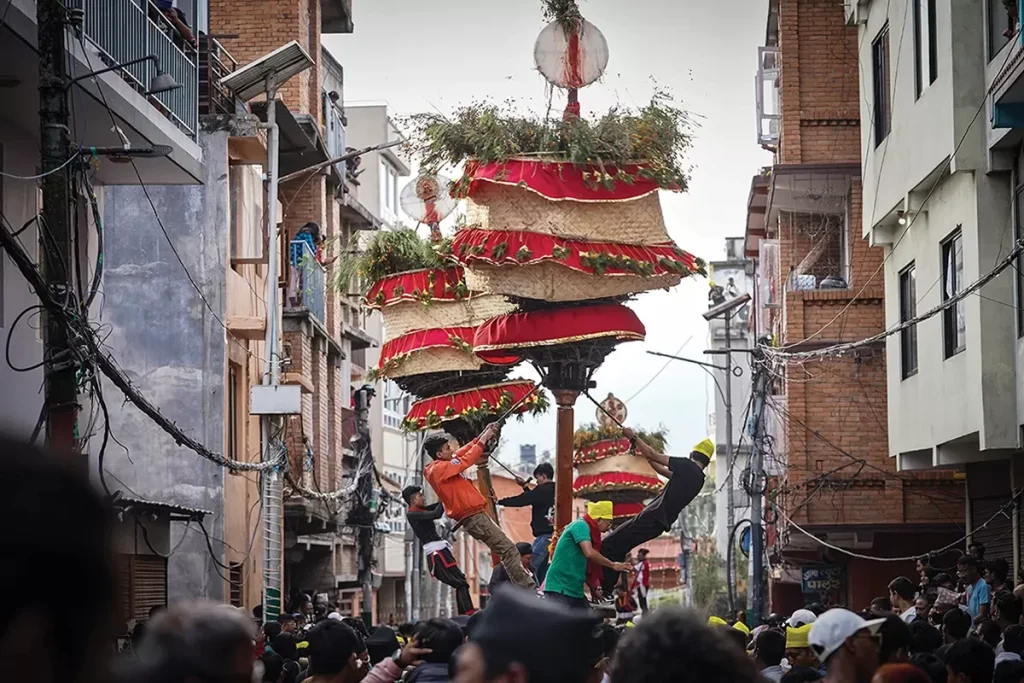
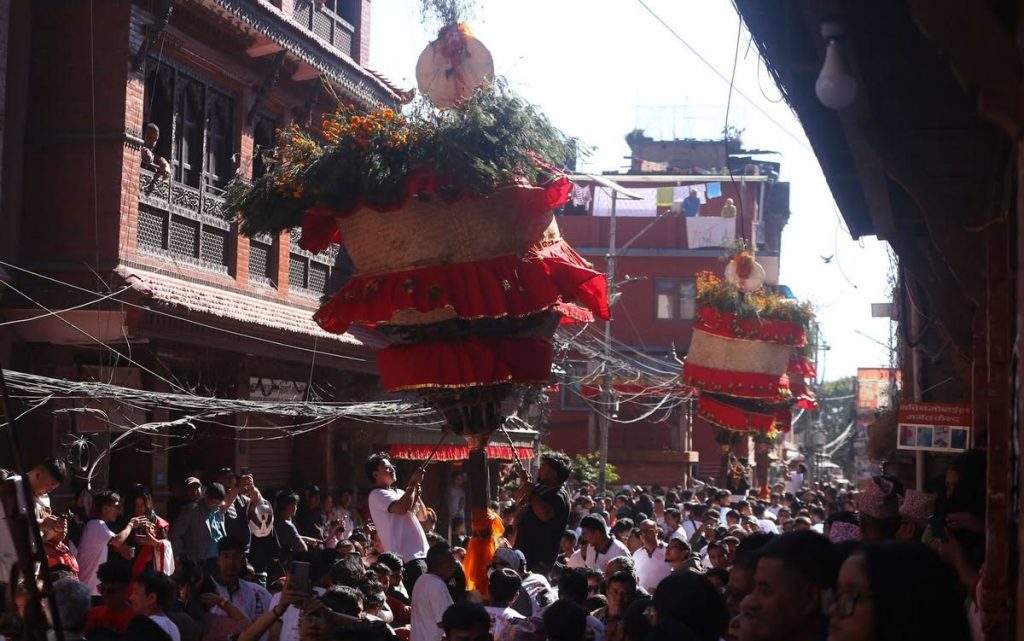
On Tuesday, a chariot procession was held through Handigaun, Bishalnagar, and Gahanapokhari, bringing the local cultural tradition into public view. The festival is particularly known for its unusual ritual of displaying the pinnacle of the ceremonial chariot in an inverted position. This distinctive practice has earned the jatra its popular name, “Kahin Nabhaeko Jatra Handigaunma,” which translates to “A festival found nowhere else but in Handigaun.”
An Ancient Festival Rooted in Local Tradition
Chokkathunarayan Jatra is regarded as an important part of Handigaun’s long-standing cultural and religious identity. Also known as Choketanarayan or Tin Narayan Jatra, the festival reflects the community’s traditional practices and devotion associated with Narayan. Celebrated annually after Kojagrat Purnima, the event brings together religious rituals, a ceremonial procession, and customs passed down through generations.
The continuation of the festival highlights the importance of preserving Kathmandu Valley’s traditional festivals and the cultural identity of its historic neighbourhoods. Handigaun, located within Kathmandu, is known for its traditional settlements and cultural heritage. Festivals such as this one help maintain the connection between local communities, religious beliefs, and longstanding social customs.
The Unique Ritual Behind “Kahin Nabhaeko Jatra”
One of the most distinctive features of the Chokkathunarayan Jatra is the inverted pinnacle, or gajur, displayed on the ceremonial chariot during the procession. In many other traditional jatras across Nepal, the pinnacle of the chariot is not displayed upside down. The unusual practice followed in Handigaun distinguishes this festival from other processions and is the reason behind its widely recognised name, “Kahin Nabhaeko Jatra Handigaunma.”
This unique ritual has become a defining characteristic of the festival and contributes to its cultural significance. It also demonstrates the diversity of traditional practices found across the Kathmandu Valley, where individual communities maintain their own distinctive customs and forms of worship. The procession through Handigaun, Bishalnagar, and Gahanapokhari provides an opportunity for residents and visitors to witness this unusual tradition and experience the area’s living cultural heritage.
Historical Records Link the Jatra to King Narendra Malla
Historical evidence associated with the festival points to its origins during the reign of King Narendra Malla. According to the Newari-language inscription located at the entrance of the temple, the tradition of organising the jatra began during his rule. The inscription serves as an important historical reference for understanding the festival’s origins and its place in the cultural history of Handigaun.
The continued observance of the jatra reflects the community’s efforts to preserve a tradition associated with the area’s historical and religious past. Although the festival has continued through changing times, its distinctive rituals remain central to its identity.
Guthi Land Supports the Festival’s Continuity
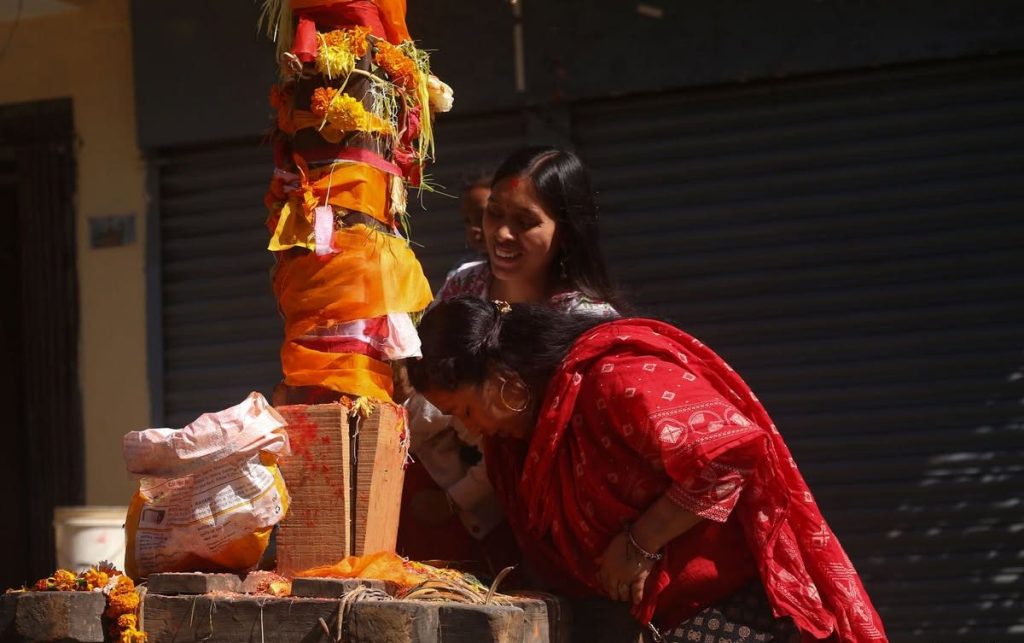
The organisation of Chokkathunarayan Jatra has traditionally been supported through a guthi system, a customary institution that helps sustain religious and cultural activities in Nepal. Guthi land was allocated in the name of Chokkathunarayan to support the continuation of the festival. Records maintained by the Guthi Corporation also list guthi land associated with Chokkathunarayan and Tin Narayan.
Such arrangements illustrate the traditional role of guthi institutions and dedicated land in supporting religious ceremonies, temple activities, and community festivals. These systems have historically helped local communities organise annual events and maintain cultural practices across generations. Preserving the records, institutions, and traditions associated with the jatra remains important to understanding its historical background and ensuring the continuity of this distinctive cultural event.
Preserving Handigaun’s Living Cultural Heritage
Traditional festivals such as Chokkathunarayan Jatra contribute to the preservation of Nepal’s intangible cultural heritage. Beyond their religious significance, they provide opportunities for communities to maintain traditional knowledge, ceremonial practices, and a shared sense of identity.
The festival’s unusual chariot ritual makes it a distinctive cultural attraction within Kathmandu. With its historical associations, local traditions, and annual procession, the jatra also offers visitors an opportunity to explore a lesser-known aspect of the city’s cultural life. Continued community participation and the protection of historic sites and traditional institutions can help ensure that such festivals remain meaningful for future generations. The annual observance of Chokkathunarayan Jatra demonstrates how Handigaun continues to preserve a distinctive tradition that forms part of Kathmandu’s wider cultural heritage.