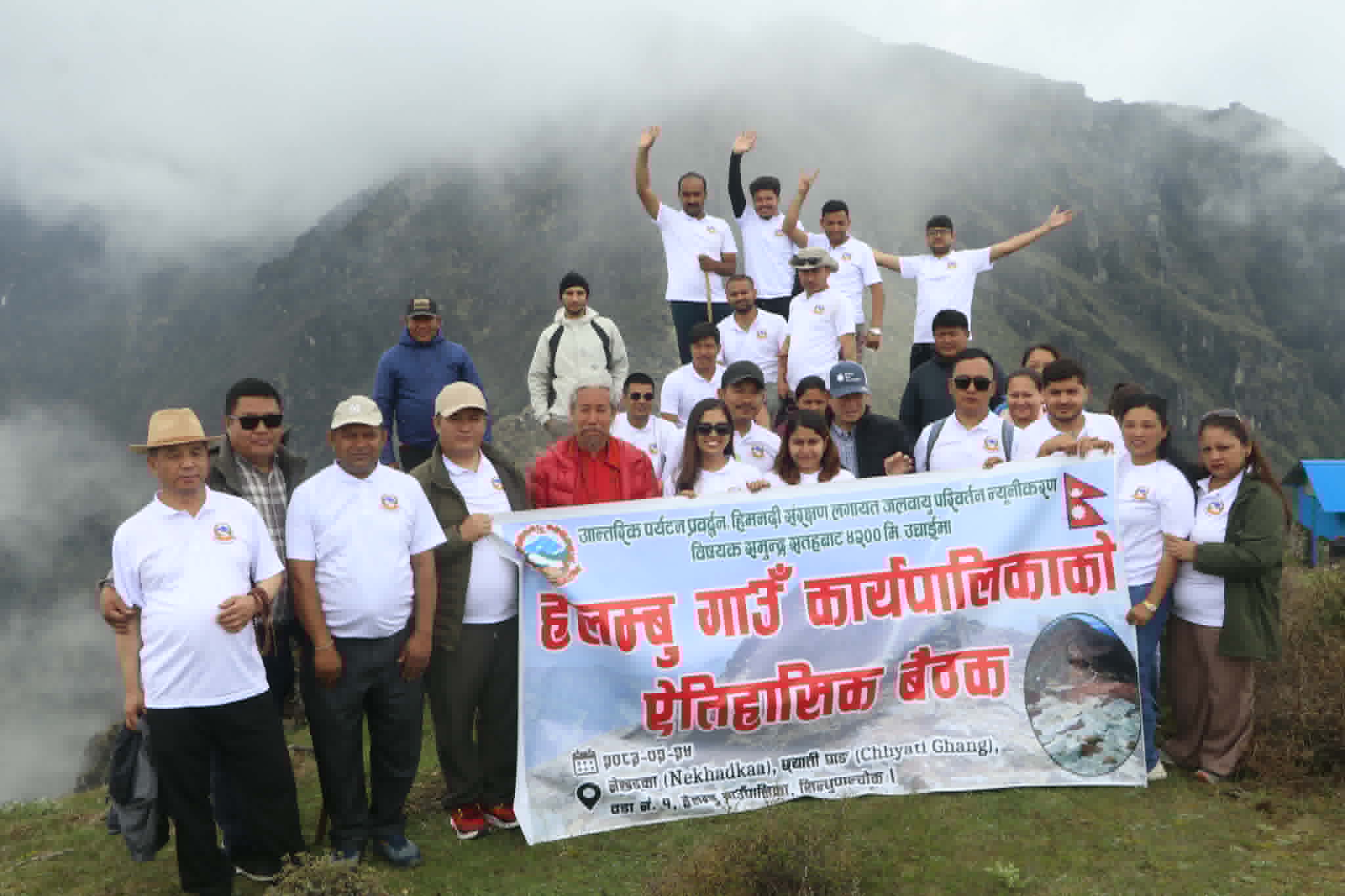
Chhadi Ghyang, located in Helambu Rural Municipality–1 of Sindhupalchok at an altitude of around 4,200 meters, is set to be developed as a new trekking and tourism hub as interest in high Himalayan destinations continues to rise among domestic and international travelers. The region, known for its pristine natural beauty, Himalayan vistas, biodiversity, and cultural richness, is increasingly attracting visitors seeking untouched landscapes over commercialized destinations. In response, Helambu Rural Municipality has unveiled a long-term plan to develop Chhadi Ghyang as a key adventure tourism destination.

Cabinet Meeting Held at 4,300 Meters for On-Site Planning
In a unique and symbolic initiative, Helambu Rural Municipality–1 recently held a cabinet meeting in the high-altitude region of Chhadi Ghyang. The meeting was organized to conduct on-site assessment and formulate development strategies aimed at promoting the area as a key destination for both domestic and international tourists. The municipality stated that the region, rich in tourism potential, has been prioritized for strategic planning and infrastructure development based on field observations.
Strategic Location Connected to Major Trekking Routes
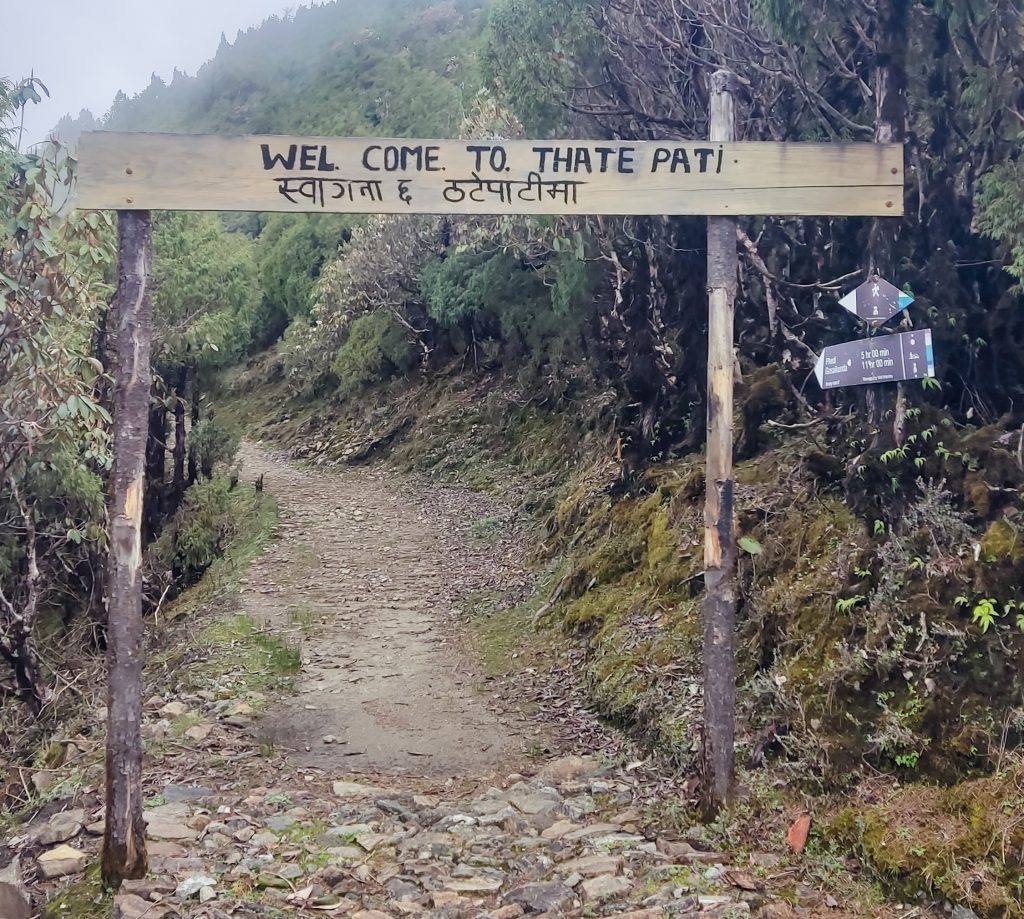
Chhadi Ghyang lies in a high-altitude zone connected to the famous Dudh Kunda region of Rasuwa. Leveraging its proximity to the under-construction Great Himalayan Trail and the Langtang National Park, the local government aims to position the area as a new focal point for adventure tourism in Nepal. Conducting an official meeting at such an altitude has been described as a historic and adventurous initiative, reflecting a shift in how local governance is engaging with remote tourism development. Locals believe this approach brings policy-making closer to the actual tourism landscape.
Tourism Recovery After 2015 Earthquake
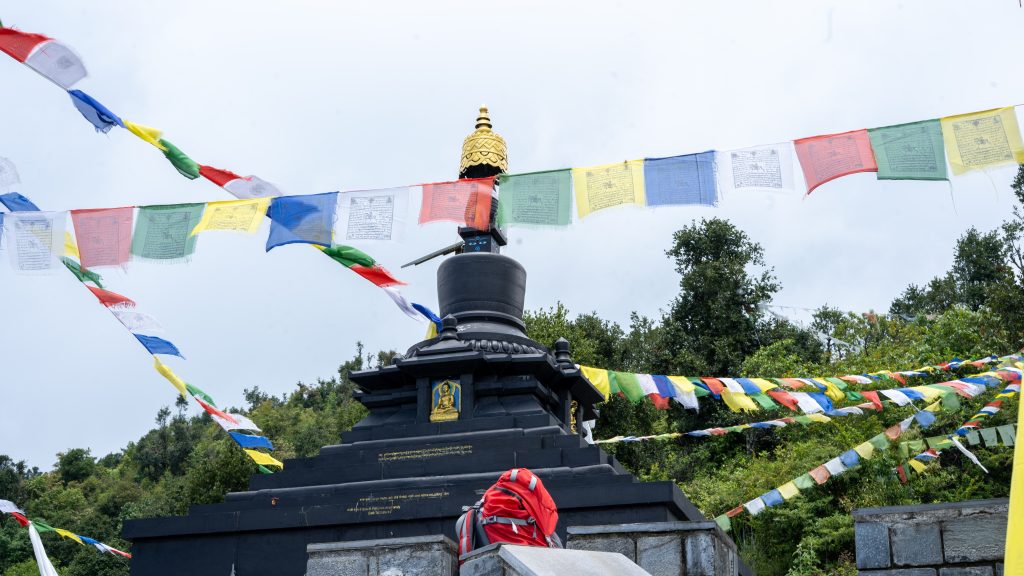
Tourism activities in the Helambu region, which had slowed following the devastating 2015 earthquake, are now gradually recovering. According to local tourism entrepreneur Nimba Sherpa, tourist arrivals have increased by around 25 percent compared to previous years. Visitors from countries such as Germany, the United States, the United Kingdom, and France are increasingly traveling to Helambu, alongside a growing number of domestic tourists.
Economic Potential and Infrastructure Challenges
Promising yet underdeveloped areas like Chhadi Ghyang are expected to contribute significantly to local economic growth if properly promoted. However, Chief Administrative Officer Beni Bahadur Moktan emphasized that sustainable development of high-altitude tourism requires cooperation between local, provincial, and federal governments due to limited local resources. Key priorities include trail upgrades, climate change mitigation measures, and improved tourism infrastructure.
Shift Toward Field-Based Governance and Tourism Planning
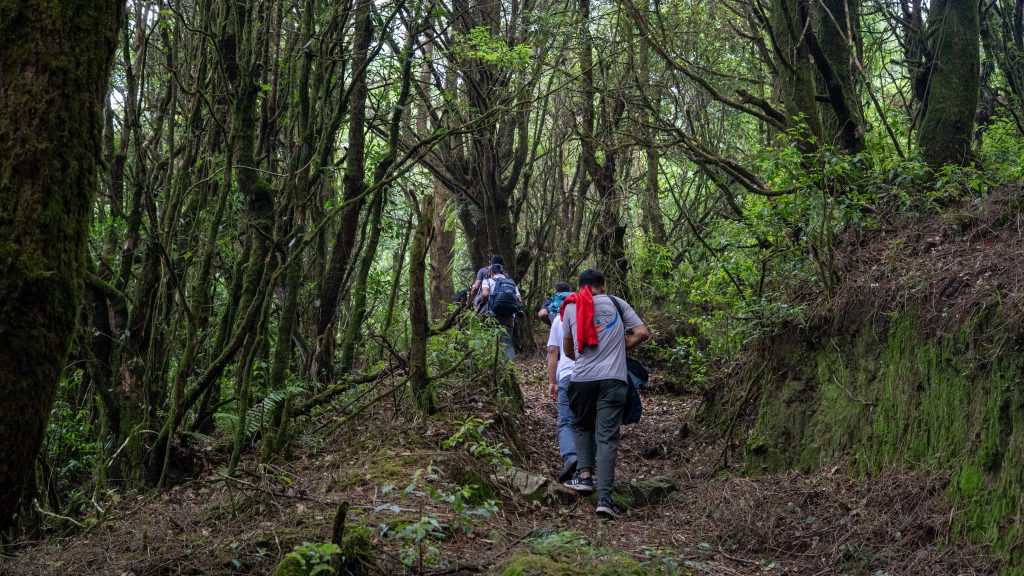
Helambu Rural Municipality Chairperson Nima Gyalzen Sherpa stated that the municipality is shifting away from traditional policy discussions held in urban hotels and seminar halls. Instead, it is adopting a field-based governance approach by conducting meetings and planning sessions directly in remote tourism destinations.
Scenic Beauty and Expanding Tourist Circuits
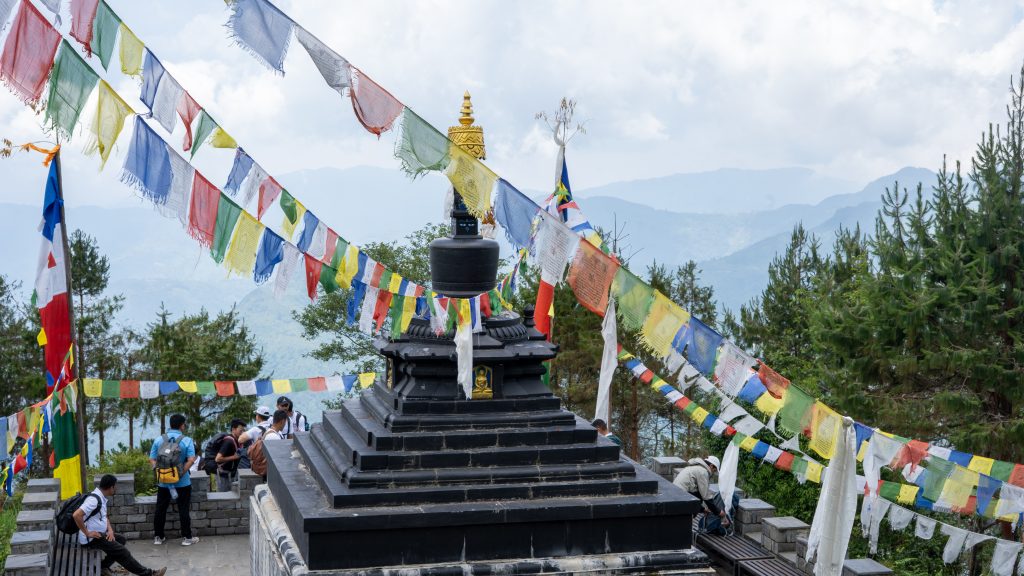
The Chhadi Ghyang area offers views of surrounding districts including Rasuwa, Nuwakot, Kavrepalanchok, and Dolakha during clear weather conditions. The region is also enriched by the landscape of the Langtang National Park, making it a highly attractive destination for trekkers and nature lovers. Tourist flow through Helambu is increasing due to its connection with major pilgrimage and trekking routes such as Gosaikunda, Helambu trails, and Langtang National Park.

Sustainability Key to Long-Term Tourism Growth
Experts emphasize that sustainable tourism development in high Himalayan regions requires strong environmental protection, proper waste management, improved trekking trails, and active participation of local communities. If infrastructure and conservation efforts are effectively balanced, high-altitude tourism could become a major pillar of Nepal’s long-term economic growth, positioning regions like Helambu as leading adventure tourism destinations.
Photo Courtesy: Subash Thapa