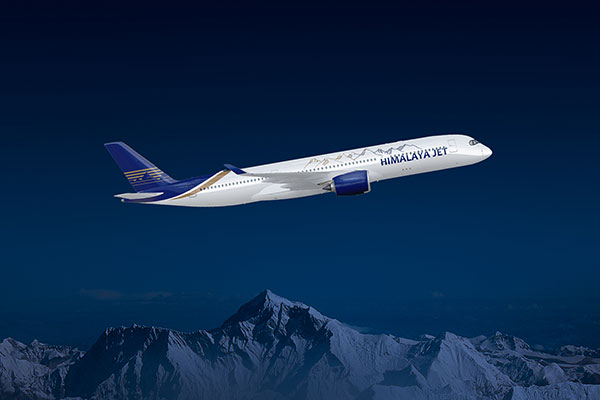
Himalaya Jet is being positioned as a potentially significant new platform for Nepal’s international air connectivity, investment and export promotion, with the project projecting US$3.5 billion in first-year transaction potential. The initiative has attracted interest from qualified Nepalis in Nepal and abroad and is being promoted as a bridge between Nepali producers and international markets. Beyond aviation, the project has outlined plans to make regular investments in Nepal’s export-oriented industries, with the broader aim of increasing the global reach of Nepali products.
US$100 Million Quarterly Investment Plan
According to information released in connection with the project, Himalaya Jet plans to invest more than US$100 million every quarter through foreign direct investment (FDI) to support Nepali producers and exporters. The proposed investment is expected to target products with strong international market potential, including handicrafts, garments, hemp-based clothing, handmade bags, pashmina and carpets. The initiative aims to help Himalaya Jet reach international buyers while increasing the commercial value of Nepal’s traditional skills and locally produced goods. Such investment could also provide opportunities for small and medium-sized enterprises, artisans and exporters seeking to expand beyond Nepal’s domestic market.

Growing Interest Among Nepalis at Home and Abroad
The project has also highlighted interest from qualified Nepalis living both in Nepal and overseas. Their participation could potentially bring additional capital, expertise and international business networks to the initiative. Himalaya Jet has previously engaged with Nepali communities abroad and promoted stronger economic and cultural connections between Nepal and international markets. In 2025, the airline announced a long-term sponsorship of the UK’s Nepali Mela and Gurkha Cup while outlining ambitions for international connectivity linking Kathmandu with major cities in Europe and Australia.
Potential Boost to Tourism and International Connectivity
For Nepal’s tourism industry, improved international air connectivity could have a significant economic impact. The country depends heavily on international visitors, while convenient and reliable air links are essential for attracting tourists, business travellers and members of the Nepali diaspora.
A stronger international network could increase passenger flows and create additional demand for hotels, restaurants, travel agencies, trekking and mountaineering operators, transportation services and other tourism businesses. Himalaya Jet has previously discussed opportunities related to tourism, trade and cultural exchange with international stakeholders, highlighting the potential for aviation connectivity to contribute to Nepal’s broader economic activity.
Export Promotion at the Core of the Plan
Another major component of the proposed model is the promotion of Nepali-made products in international markets. Nepal has a strong tradition of producing pashmina, carpets, handicrafts, garments and other artisanal products, but producers often face challenges in accessing international buyers, maintaining consistent quality and developing distribution networks.
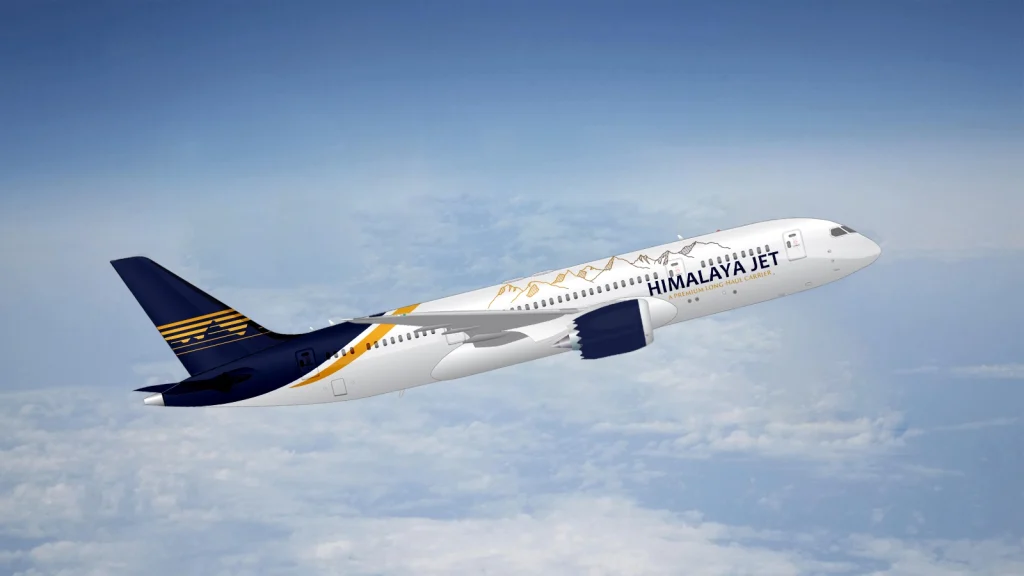
By directing investment toward export-oriented industries, Himalaya Jet aims to help Nepali businesses expand their international presence and participate more effectively in global markets. Greater international exposure could also encourage producers to improve product quality, packaging, branding and compliance with international standards, potentially increasing the competitiveness of Nepali products.
Linking Aviation, Tourism, Investment and Trade
The proposed model seeks to connect four important areas of Nepal’s economy, aviation, tourism, investment and exports, rather than treating them as separate sectors. Improved international air connectivity can facilitate tourism and business travel, while stronger international links can also help exporters access overseas markets. At the same time, investment in domestic production could increase the quantity and value of Nepali goods reaching international consumers.
However, the projected US$3.5 billion transaction potential and quarterly investment figures represent proposed targets rather than guaranteed economic outcomes. Their realization will depend on financing, regulatory approvals, operational capacity and the project’s ability to establish effective connections between Nepali producers and international markets.
Ambitious International Expansion Plans
Himalaya Jet has previously outlined plans for international services connecting Kathmandu with major destinations in Europe and Australia, as well as ambitions to expand its international network. The airline has also been involved in discussions with foreign diplomatic and government representatives concerning regulatory frameworks, bilateral agreements and opportunities to strengthen connectivity between Nepal and other countries. If these plans move forward, the project could contribute to Nepal’s efforts to strengthen its international aviation network while supporting tourism, trade and investment.

Implementation Will Determine the Impact
The projected US$3.5 billion first-year transaction potential and proposed quarterly investment of more than US$100 million make Himalaya Jet an ambitious initiative in Nepal’s aviation and export sectors. Its ultimate success, however, will depend on regulatory approvals, investment mobilization, operational execution and measurable benefits for Nepali businesses and exporters.
If successfully implemented, the initiative could provide Nepal with an additional channel for international connectivity while creating opportunities for tourism, trade and investment. For Nepali producers, the key test will be whether the project can convert its investment plans into sustained access to international buyers and global markets.