Nestled in the southeastern part of Tikapur Bazaar, the historic Tikapur Park stands as a testimony to Nepal’s royal past, natural beauty, and tourism potential. Established in Bikram Sambat 2028, the park has served as a royal retreat, a center of leisure, and today, a destination with significant promise for tourists seeking history, nature, and cultural experiences.
Royal Legacy: Mahendra Arogya Griha and Birendra Bishram Batika
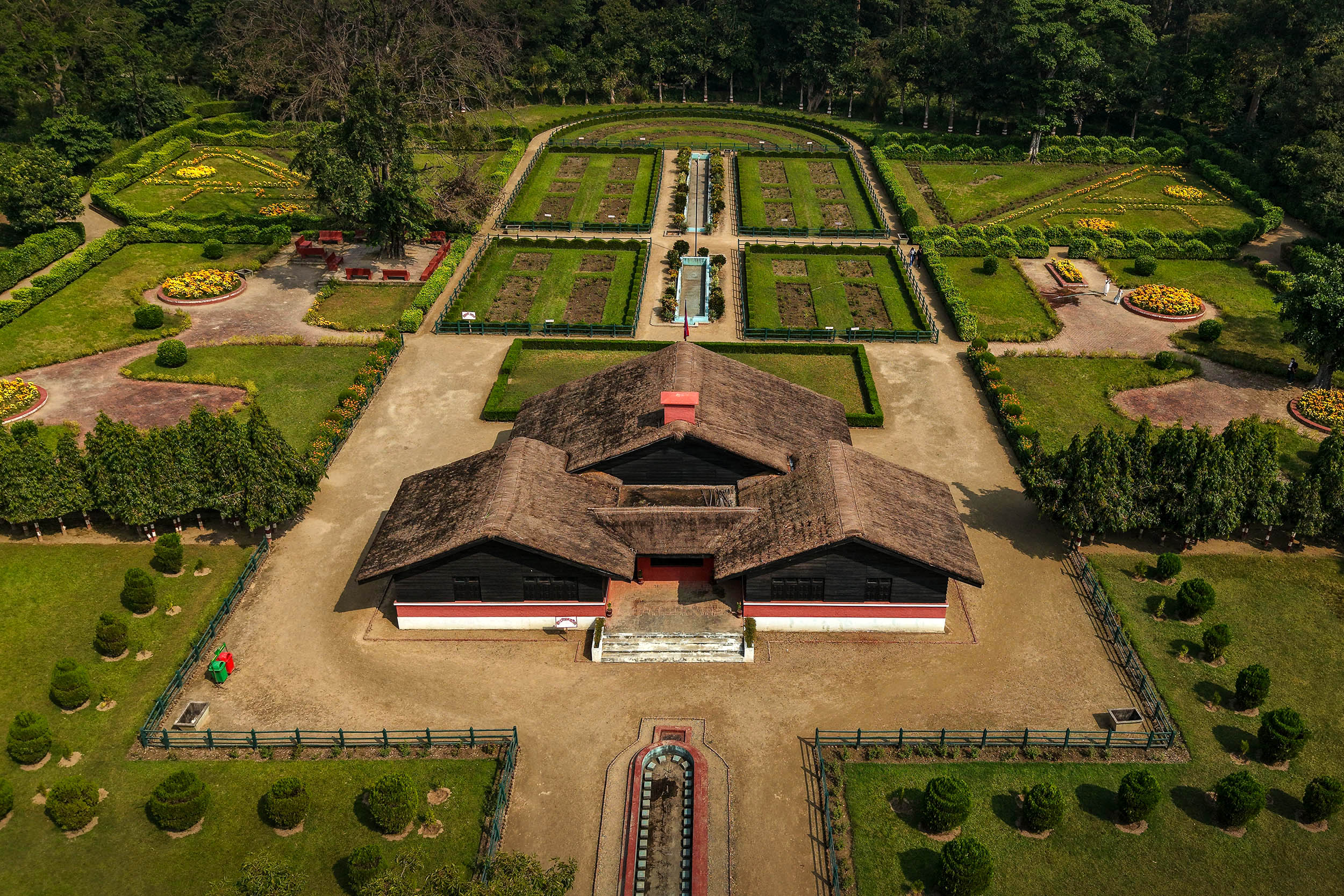
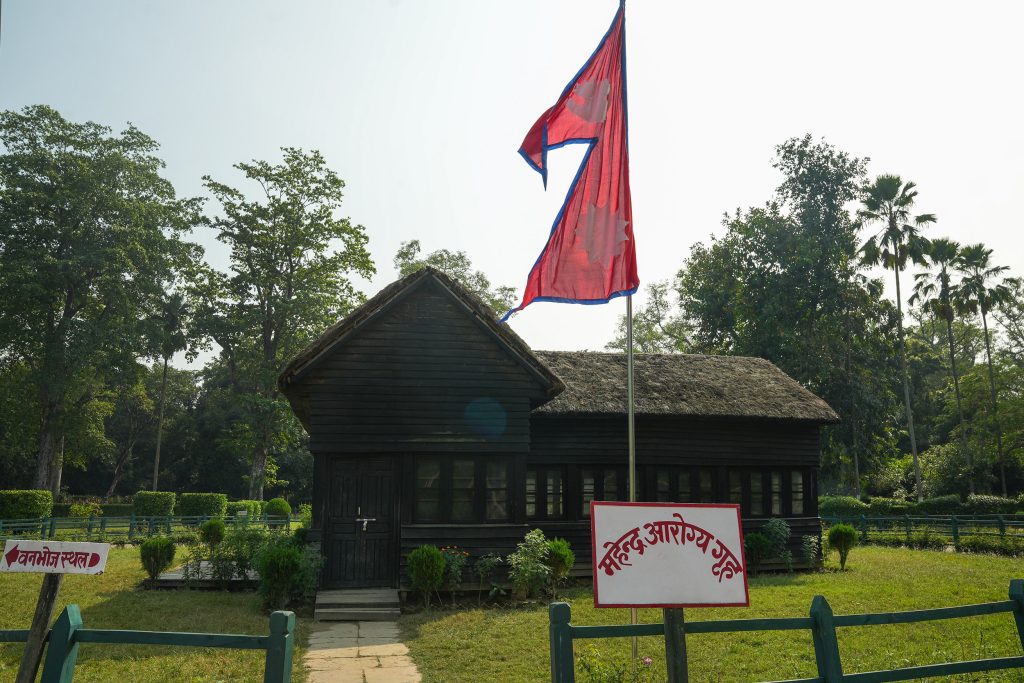
One of the park’s most notable attractions is the Mahendra Arogya Griha, a wooden structure hastily constructed to accommodate King Mahendra when he stayed in Tikapur for a month to regain his health. During this period, King Mahendra not only recuperated but also managed state affairs directly from Tikapur, making the retreat a hub of royal activity. Later, King Birendra utilized a nearby structure, the Birendra Bishram Batika, further cementing the park’s connection to Nepalese royalty.
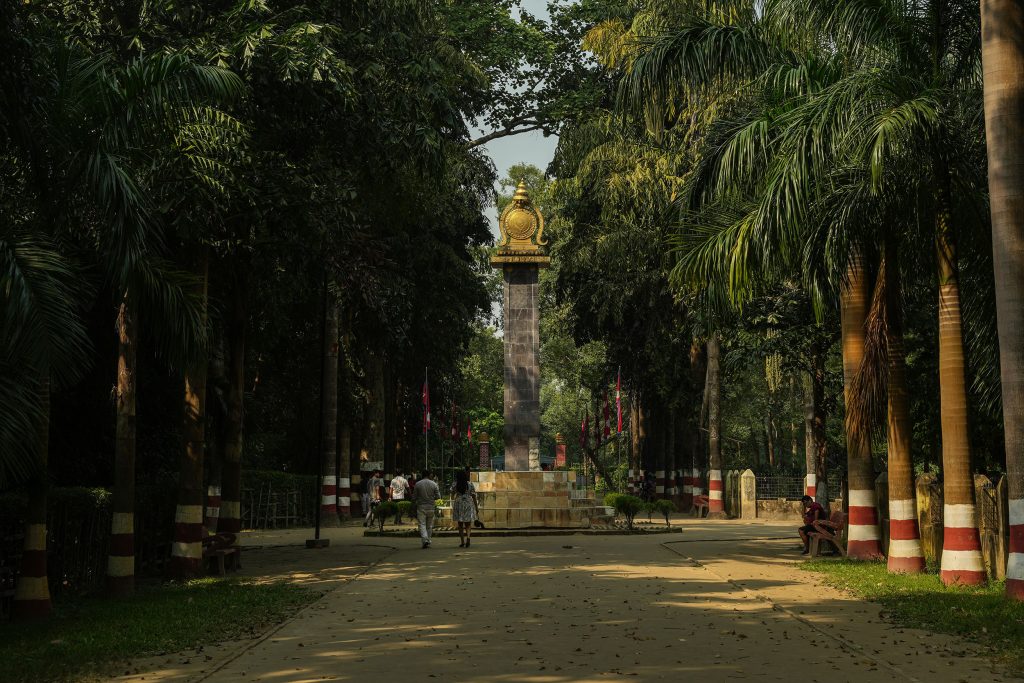
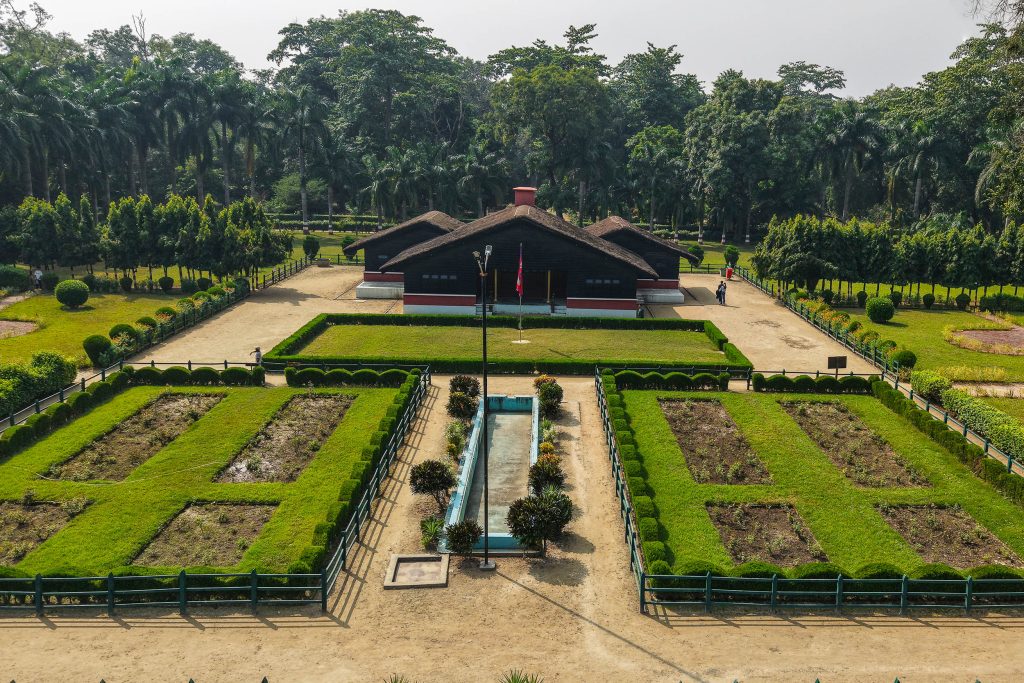
The park also includes other royal-era structures such as Ratna Udyan, Aishwarya Udyan, and additional Bishram Batikas, all named in honor of the kings who frequented the area. These structures blend cultural heritage with serene landscapes, offering visitors a glimpse into Nepal’s monarchical past while enjoying natural surroundings.

Park Layout and Features
Spanning 85 bighas, Tikapur Park is the largest man-made park in Nepal. Initially, the Tikapur Development Committee was granted 173 bighas by the government for urban development under the Ministry of Physical Planning and Construction. Today, the park’s layout features bungalows, nurseries, and gardens occupying approximately 13 bighas, with additional areas dedicated to landscaped gardens, fruit orchards, and recreational spaces.
A major attraction within the park is its rose garden, situated along the banks of the Karnali River, which draws both locals and tourists for leisure and picnics. The nine-bigha garden houses a diverse collection of flowers and fruit trees, while the riverside setting provides a peaceful environment for visitors. This combination of flora, water, and open spaces makes Tikapur Park an appealing spot for families, nature enthusiasts, and photographers alike.
Accessibility and Tourism Development
Tikapur Park’s accessibility has improved with infrastructure projects such as the Sati Ghat bridge, connecting Rajapur to Bardiya, just 38 kilometers west of Gulariya. Despite this improved connectivity along the East-West Hulaki Highway, the anticipated increase in tourist arrivals has yet to materialize, largely due to limited promotion and awareness of the park’s attractions.
Local stakeholders emphasize that while Tikapur Park boasts heritage structures, gardens, river views, and ample recreational space, the lack of strategic marketing has prevented it from becoming a major tourist magnet. Promoting the park through digital campaigns, travel guides, and cultural events could significantly enhance its visibility and appeal.

Tourism Potential and Local Engagement
Tikapur Park holds immense potential not only for heritage and cultural tourism but also for eco-tourism, river-based recreation, and educational visits. The park’s natural beauty, royal history, and well-maintained gardens offer a holistic experience for tourists seeking both leisure and cultural enrichment. Additionally, the park provides opportunities for local economic engagement, from guided tours to small-scale businesses like food stalls, handicrafts, and cultural performances.
Tourism experts and local authorities agree that Tikapur Park could emerge as a key destination in western Nepal if combined with strategic planning, promotion, and community participation. Highlighting the royal legacy, botanical gardens, riverside vistas, and historical structures can attract diverse visitors, ranging from history enthusiasts to nature lovers and casual tourists.
Looking Ahead
As Nepal continues to promote cultural and heritage tourism, Tikapur Park offers a unique blend of history, nature, and recreation. Strengthening infrastructure, implementing targeted marketing, and engaging local communities in tourism initiatives could transform the park into a flagship destination in the region. By leveraging its royal heritage, extensive gardens, and riverside location, Tikapur Park is poised to become a symbol of historical preservation, natural beauty, and tourism-driven economic development.