Devchuli Municipality–17, Piprahar in Nawalparasi (Bardaghat Susta East), is witnessing a remarkable transformation as its community homestay initiative evolves into a model of rural tourism-driven empowerment. Once limited to household chores, childcare, and agriculture, local Tharu women are now emerging as confident hosts, cultural ambassadors, and active contributors to the village economy.
The community homestay, which has gradually gained popularity among both domestic and international visitors, is no longer just a place to stay. It has become a vibrant center for cultural exchange, economic opportunity, and social empowerment, particularly for women who now lead most of its operations.
Women at the Center of Hospitality and Cultural Revival
In Piprahar Community Homestay, women are at the forefront of nearly every activity, from welcoming guests and preparing traditional meals to managing cultural performances and maintaining cleanliness. While men provide supportive roles, leadership and day-to-day management are largely handled by women.

Local resident Chandramaya Mahato shared that the homestay has significantly improved her family’s financial condition. “Earlier, we depended only on farming income, and it was difficult to manage household expenses,” she said. “Now guests visit regularly, and we earn through hospitality services, which has made life much easier.” Women also report increased confidence and independence, with many who were previously hesitant to speak in public now comfortably interacting with visitors and managing tourism-related activities.
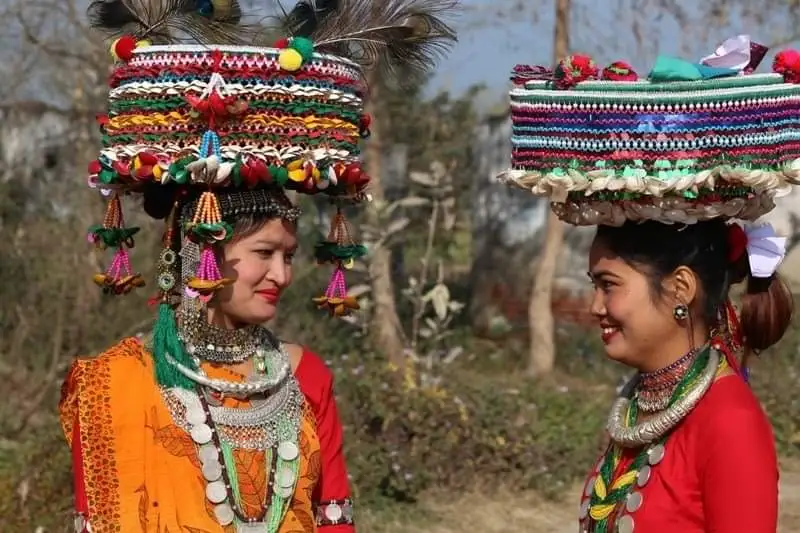
Growing Tourist Interest in Tharu Culture and Nature
According to Homestay Chairperson Somnath Mahato, the main attraction for visitors is the authentic Tharu lifestyle, traditional cuisine, and the natural environment surrounding the settlement. “Guests experience village life closely and feel like they are staying at home,” he said.
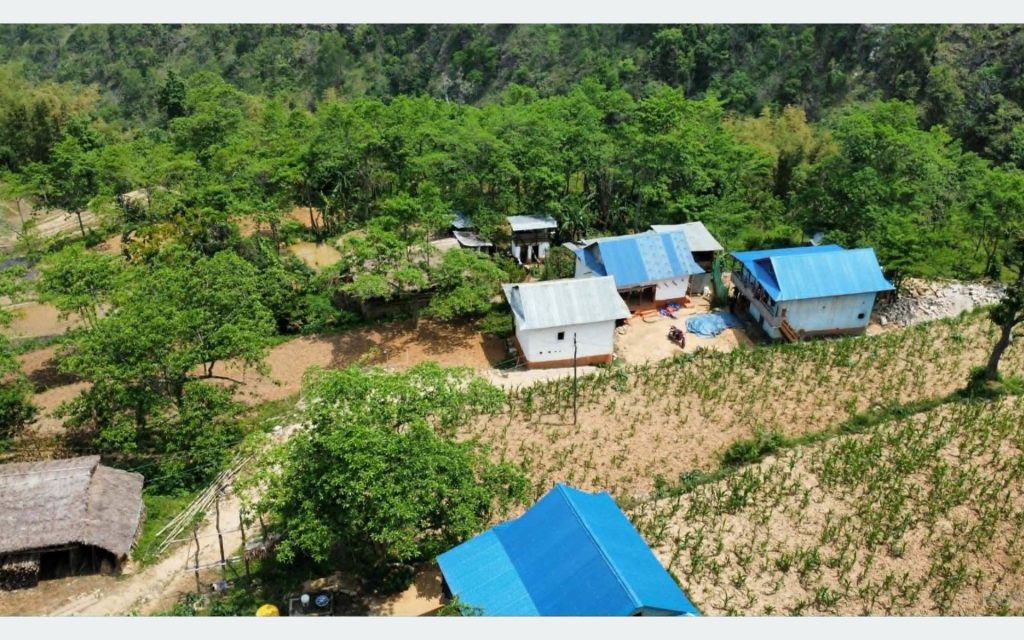
“They also enjoy jeep safaris in the Narayani river buffer zone, where they can observe wildlife such as rhinoceros, deer, wild boar, crocodiles, and various bird species.” Interestingly, challenges once faced by locals due to wildlife movement are now being transformed into tourism opportunities, attracting visitors eager to experience nature and wildlife in close proximity.

A Model for Women’s Empowerment and Rural Development
Devchuli Municipality Mayor Hariprasad Neupane said the homestay has become a strong example of women’s economic empowerment and skill development. “Women who were once hesitant to speak in public are now confidently hosting guests and organizing programs,” he noted. “Their role in community development has grown significantly.”
The homestay, which began in 2015 with just five households, has now expanded to 22 households, reflecting its growing success and acceptance. Alongside hospitality services, local products, traditional Tharu cuisine, and cultural performances have found a growing market.
A Growing Identity for Rural Tourism
The Piprahar Community Homestay has now become a symbol of rural transformation in Nawalparasi. By blending tourism with culture, nature, and women’s leadership, it is steadily establishing itself as an important identity of the region—showcasing how community-based tourism can uplift livelihoods while preserving cultural heritage.