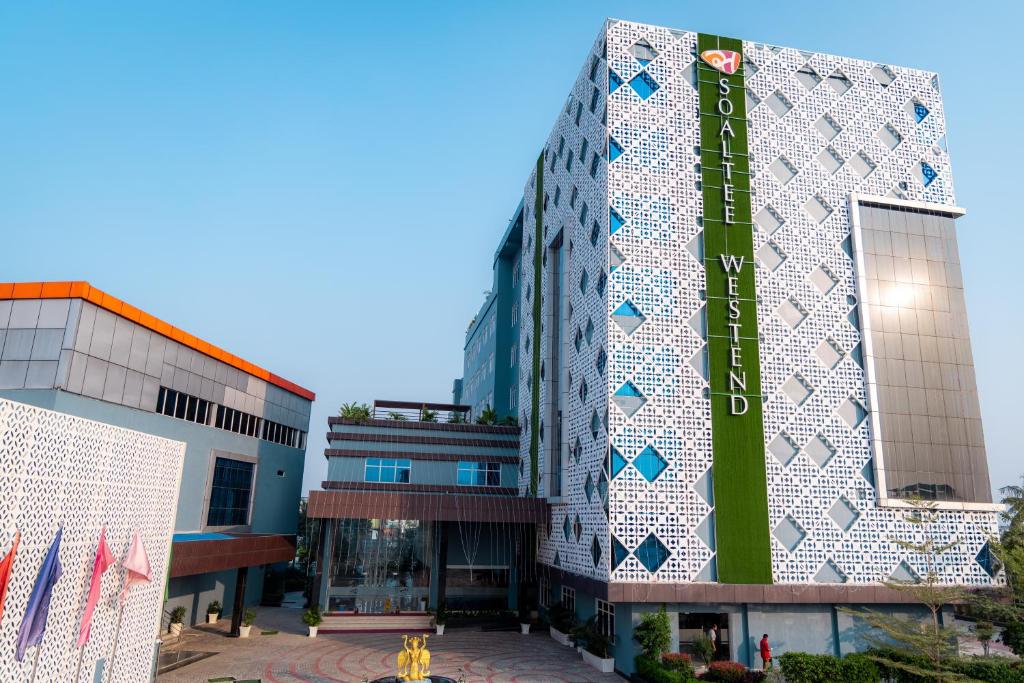
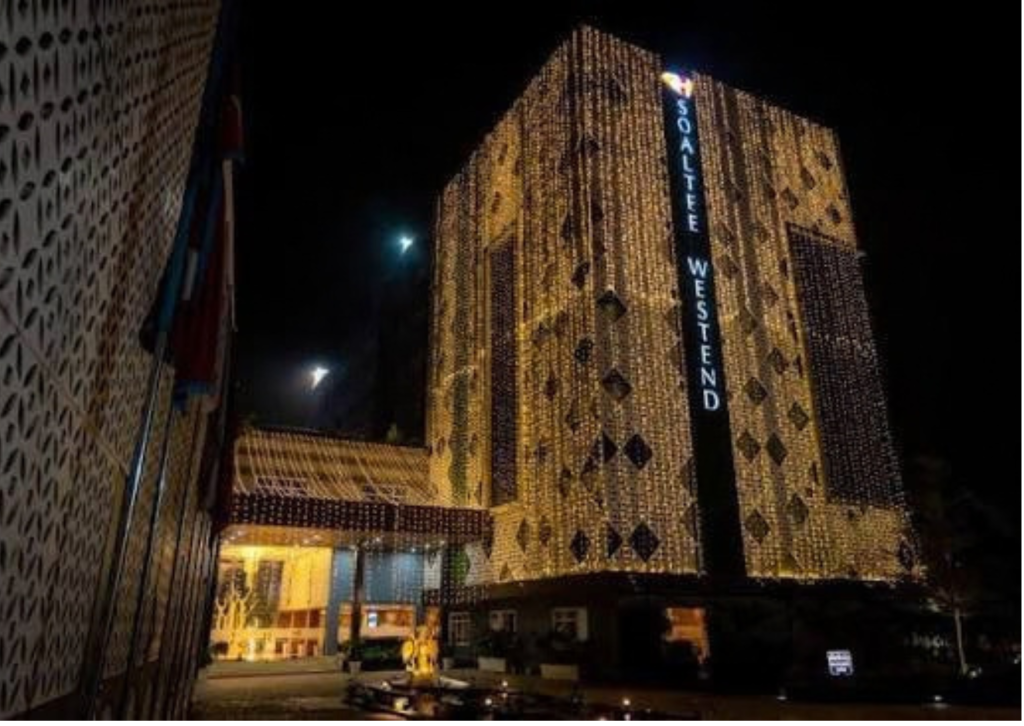
Hotel Garima Limited (HGL), which operates Soaltee Westend Itahari, has received an IRN BB (Issuer) rating from Infomerics Credit Rating Nepal Limited (Infomerics Nepal), indicating a moderate risk of default in the timely servicing of financial obligations. The rating agency has also assigned IRN BB to the company’s long-term bank facilities of NPR 771.69 million and IRN A4 to its short-term bank facilities of NPR 20 million. The total rated bank facilities amount to NPR 791.69 million.
Experienced Promoters and Soaltee Association Strengthen Rating
According to Infomerics Nepal, the rating draws strength from Hotel Garima’s experienced promoters and its association with the established Soaltee brand. The hotel operates under the franchise name Soaltee Westend Itahari. Stream Investment Company Private Limited is the largest shareholder, holding a 17.42% equity stake as of mid-August 2026. The company is governed by a five-member Board of Directors chaired by Bhim Bahadur Poudel, who has more than 36 years of experience across manufacturing, trading, services, and construction. The association with Soaltee Hotels and Resorts is also expected to support the hotel’s brand recognition, customer traction, and occupancy prospects.
Strategic Itahari Location Supports Business
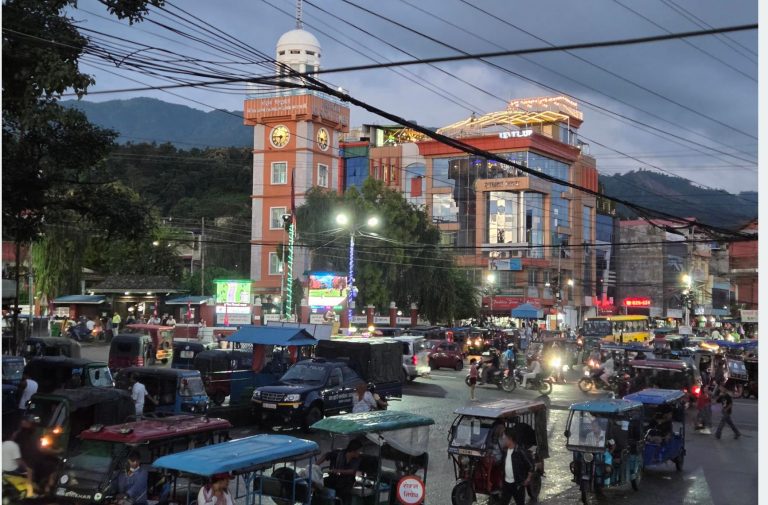
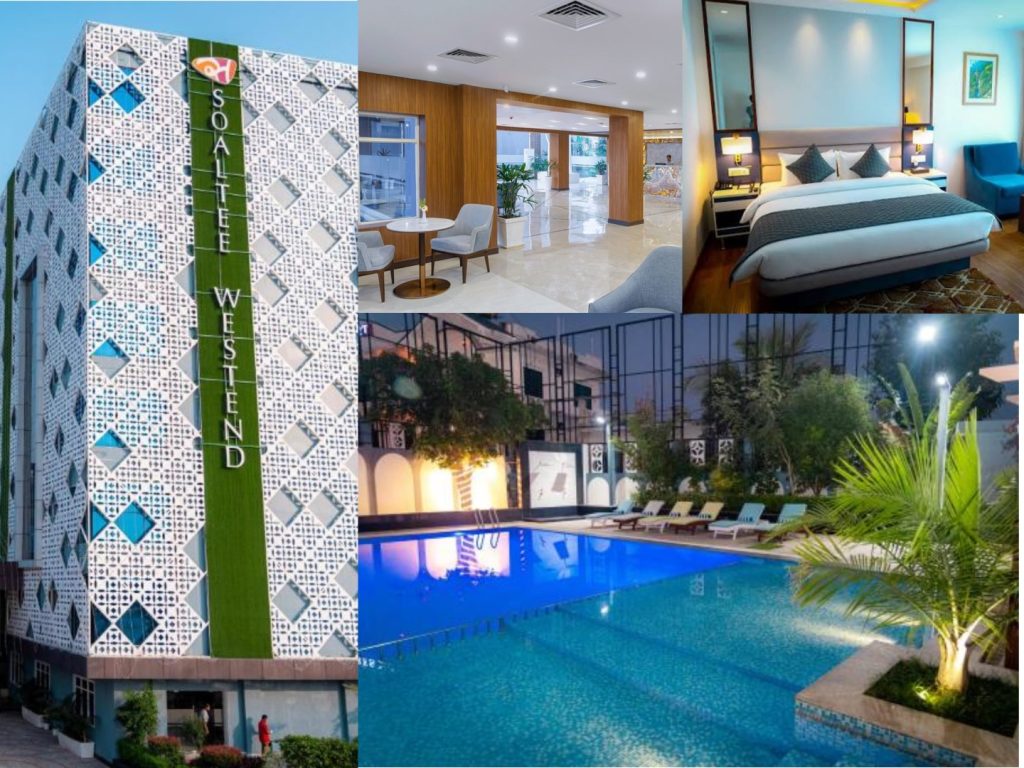
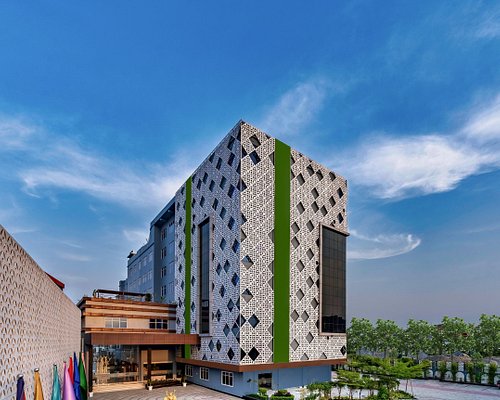
The hotel is strategically located in Itahari, Sunsari, around 25 km north of Biratnagar, 16 km south of Dharan and 92 km west of Kakarbhitta. Its location along the East-West Mahendra Highway and North-South Koshi Highway provides connectivity to major commercial centres in eastern Nepal. The hotel is also around 22 km from Biratnagar Airport, supporting access for business, leisure, and transit travellers. Hotel Garima operates a five-star property with 77 rooms spread across approximately 6,091 square metres of land. The hotel also has five banquet halls, enabling it to generate revenue from conferences, corporate events, social functions and other gatherings.
Operating Income Surges 104% in Three Years of Hotel Garima Limited (HGL)
Infomerics Nepal highlighted the significant improvement in Hotel Garima’s financial performance as its operations gradually scale up. The company commenced partial commercial operations in April 2023, with full-fledged commercial operations beginning in FY2024. Its total operating income increased from NPR 12 million in FY2023 to NPR 96 million in FY2024, NPR 129 million in FY2025 and NPR 207 million in FY2026.
This represents a compound annual growth rate of around 104% during FY2023–FY2026. EBITDA also improved substantially, rising to around NPR 82 million in FY2026 from NPR 23 million in FY2025 and NPR 1 million in FY2024. The company moved into profitability in FY2026, with both profit before tax and profit after tax turning positive. Food and beverage operations accounted for approximately 47% of total revenue in FY2026, while room revenue contributed around 24%.
Capital Structure Shows Major Improvement
The company’s capital structure strengthened considerably during FY2026, supported by equity infusion and a reduction in overall debt. The overall gearing ratio declined to 0.57 times in FY2026 from 1.70 times in FY2025, while the total outside liabilities to tangible net worth ratio fell to 0.65 times from 1.90 times.
Debt-servicing indicators also improved. The debt service coverage ratio (DSCR) turned positive at 1.05 times in FY2026, compared with negative levels previously. The interest coverage ratio improved to 2.13 times from 1.80 times. However, Infomerics Nepal noted that debt coverage remains modest, with DSCR still close to unity.
Low Occupancy Remains Key Challenge
Despite the improvement in revenue and profitability, Hotel Garima’s relatively short operating track record remains a key rating constraint. The hotel recorded average occupancy of only 24% in FY2025 and 31% in FY2026, indicating that the property is still in the process of achieving operational stabilization. The rating agency said the company’s ability to attract customers, improve occupancy, establish a stronger market presence and achieve sustainable financial performance will remain important factors for its future credit profile.
Liquidity Position Remains Stretched
Infomerics Nepal has also identified the company’s liquidity position as a weakness. Working capital intensity increased to approximately 174% in FY2026 from 120% in FY2025. The increase was mainly driven by a rise in the average collection period to 73 days from 38 days and an increase in the average inventory holding period to 122 days from 94 days.
The hotel’s focus on events and corporate clients, which generally involves credit periods of 60–120 days, has contributed to the longer collection period. Meanwhile, the average creditor period declined to 116 days from 181 days. As a result, the company’s operating cycle increased to 79 days in FY2026 from negative 49 days in FY2025, putting additional pressure on liquidity.
Hospitality Competition Adds Pressure
The rating agency noted that Nepal’s hospitality sector faces intense competition from both organized and unorganized players. Competition is expected to increase further as private investors and the government continue to prioritize tourism and hotel development.
Slower growth in demand compared with the addition of new hotel supply could put pressure on occupancy, room rates and operating profitability. Given the high operating leverage of the hospitality business, weaker-than-expected operating performance could adversely affect profitability.
IPO Execution Among Key Rating Sensitivities of Hotel Garima Limited
Going forward, Hotel Garima’s ability to stabilize operations, increase occupancy, improve profitability, efficiently manage working capital, strengthen its capital structure and complete its proposed IPO issuance on time will remain key rating sensitivities. Infomerics Nepal has classified the rating approach as standalone.
Hotel Garima Limited was incorporated on November 20, 2012 and operates the five-star Soaltee Westend Itahari in Sunsari. Hotel Garima Limited (HGL)’s latest financial indicators show a significant improvement in its operating and financial profile, although low occupancy, liquidity pressure and intense competition remain key challenges.