The International Air Transport Association (IATA) has reiterated its commitment to the net zero carbon emissions goal by 2050 while asserting that it will equally benefit the energy security, economies, and connectivity of people around the globe. IATA interim director general Sandrine Le Borgne advocates for aviation accessibility to sustainable aviation fuel (SAF), harmonized carbon management policies and collaboration to achieve net zero emissions by 2050.
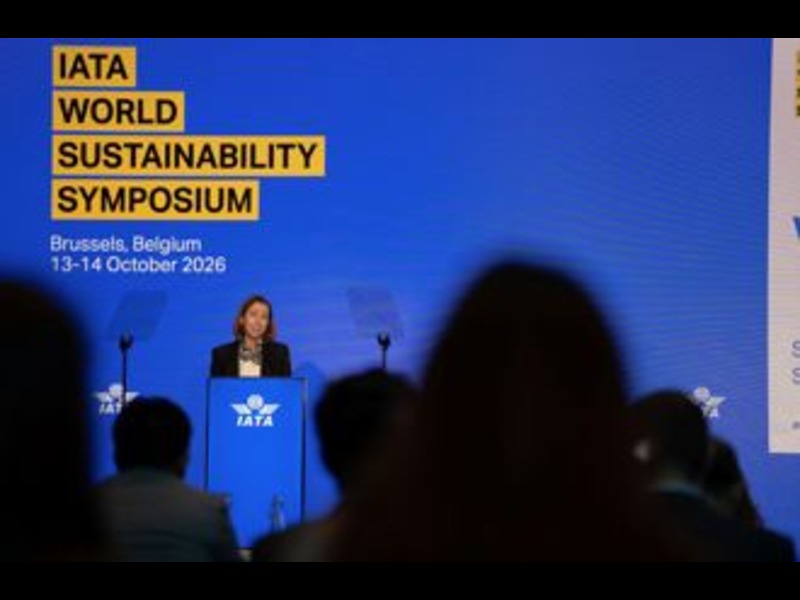
On the second day of the World Sustainability Symposium (WSS) 2026 in Geneva, Switzerland, Sandrine Le Borgne, the IATA interim director general, stated that decarbonizing the sector involves much more than simply reducing emissions to meet climate goals. It also entails enhancing energy security, creating diverse energy systems and exploring alternative energy sources.
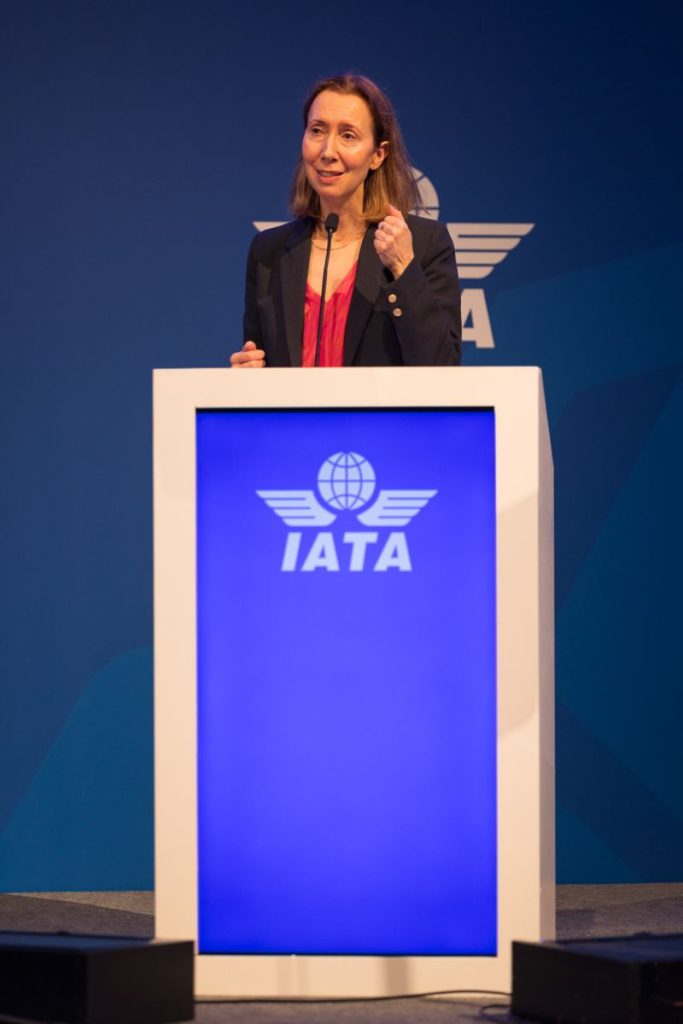
In addition, Le Borgne emphasized the role of aviation in contributing to the world economy. According to her, the sector “supports 11.6 million direct jobs and 86.5 million indirect jobs and generates 3.9% of the gross world product,” as she stated during the opening remarks of the symposium. Therefore, attaining environmental sustainability and ensuring that the air transport sector maintains its role as a global connector of people, products, and services requires collaborative efforts of all value chain stakeholders ranging from fuel producers, bankers, infrastructure builders, technology suppliers, and policymakers.
IATA Advocates for Harmonized International Aviation Emissions Policies
The international aviation organization has also stressed the need for a harmonized approach to managing the sector’s emissions to ensure that the measures taken are economically efficient while providing the much needed impetus to decarbonization processes in the energy and transport sectors. Speaking on the need for a collaborative effort in cutting emissions, Le Borgne noted that the imposition of overlapping national and regional carbon taxing policies would only lead to higher costs of air travel with no significant advantage in reduced emissions.
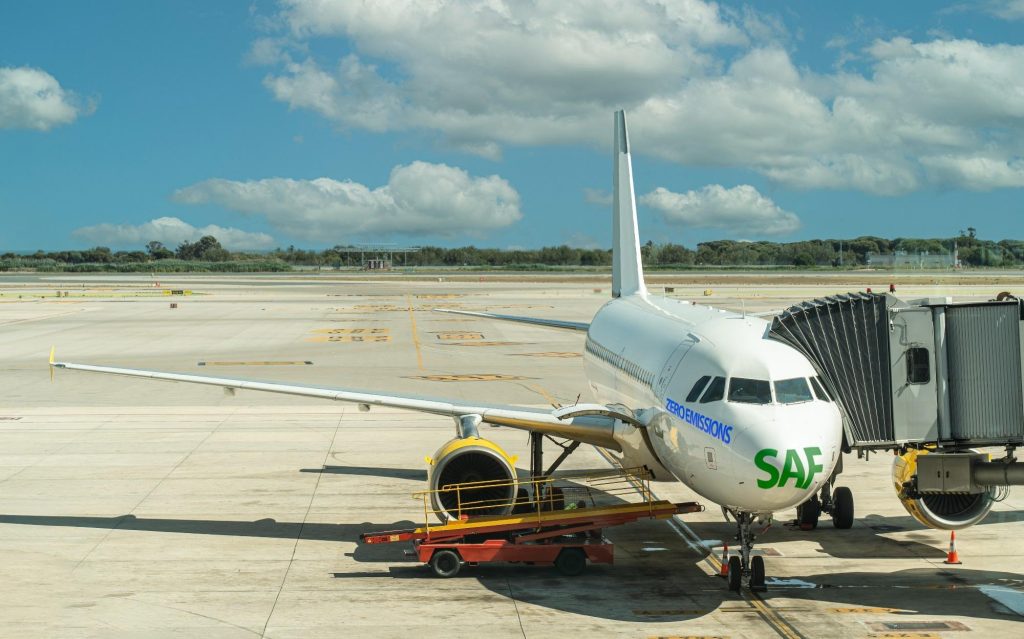
Therefore, the IATA director general called for a unified global framework that airline operators can apply when limiting and reducing emissions from their aircraft. During her speech, she restated the association’s view on Carbon offsetting and Reduction Scheme for International Aviation (CORSIA) as the perfect architecture for managing the issue of emissions mitigation in aviation at the global level.
In its efforts to decarbonize the aviation sector, IATA has collaborated with the International Civil Aviation Organization (ICAO) in promoting the COrsia Emissions Reduction Enhancement Program (CEREPP) of emissions reduction measures. As she unveiled ICAO as the eleventh member state, Le Borgne noted that the organization has surpassed the 80 signatory mark on the Creation of a Global Trading System for Emissions Reductions of Aviation Operations from Carbon Producing Gases by Airlines treaty. The association’s director general expressed optimism that the collaboration between the key stakeholders in the field of aviation would enhance global trade.
Sustainable Aviation Fuel Access and Investment Priorities
According to IATA, one of the most crucial levers that it hopes to utilize in achieving its vision of a net zero aviation sector by 2050 is Sustainable Aviation Fuel (SAF). In this regard, the association has launched various initiatives and programs to facilitate collective efforts in promoting and sustaining the production and use of SAF. The CADO SAF Registry and SAF Matchmaker, among other tools, are meant to enable airlines to acquire fuel from local producers in their respective regions.
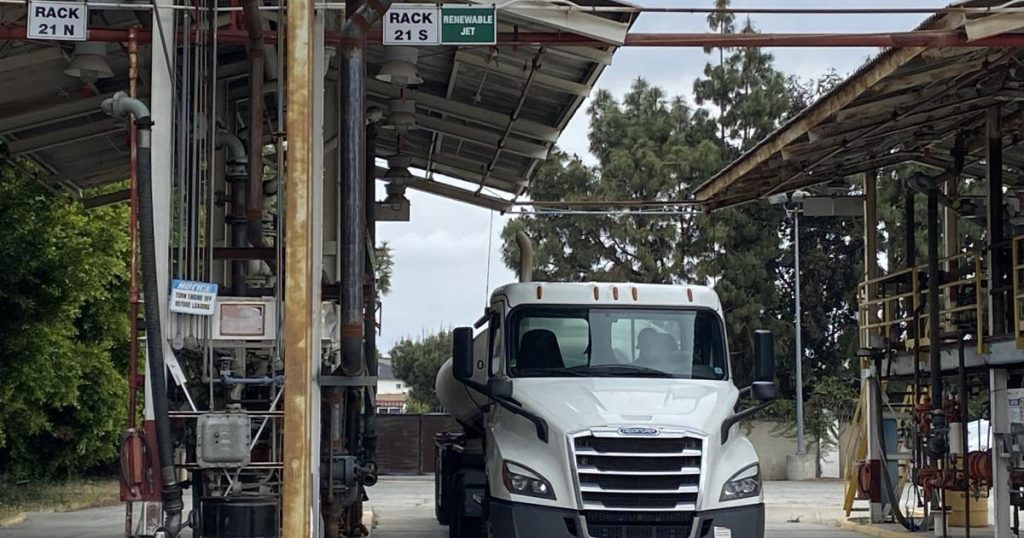
Through these regional offerings, the association hopes to create a competitive world marketplace, where SAF purchasers will have various options, including those from distant locations. However, for SAF to play the critical role that it hopes to play in achieving a net zero aviation sector by 2050, it will require increased accessibility by the sector players and affordability of the fuel.
Besides, there must be an increase in SAF production to enable the proposed initiatives to take effect. With respect to financial accessibility, Le Borgne announced that the IATA would continue with its efforts to analyze and reveal possible barriers to SAF production, use, trading, and sustainable investment across the world. In pursuing environmental sustainability, the director general also revealed that IATA would continue to advocate for a balance in favor of economic sustainability for air transport.
Global Cooperation Needed to Deliver Net Zero Aviation
Decarbonizing the aviation sector is an unprecedented endeavor that requires the combined efforts of all stakeholders around the globe. The World Sustainability Symposium 2026 agenda revolved around the issues of energy, investment, infrastructure, finance, and market development to demonstrate how the world can achieve net zero emissions in the aviation sector.
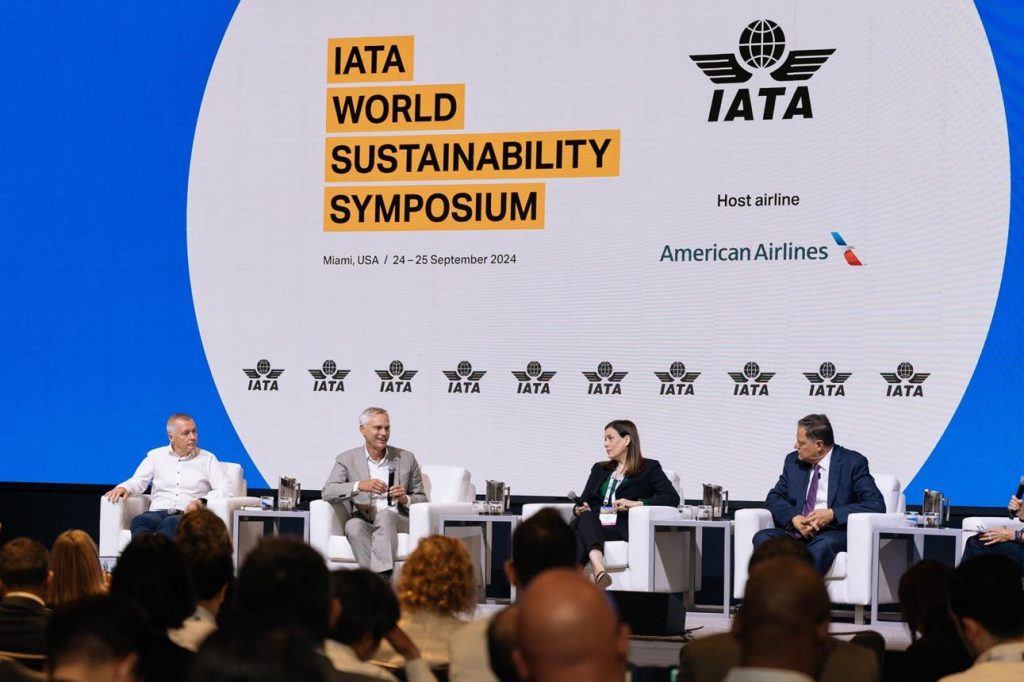
While a large number of initiatives were put forward by various actors, including governments, fuel producers, financiers, and technology enablers, the key message from the series of discussions throughout the four-day symposium was that no single company, government, or innovation can achieve the goal alone.
According to Le Borgne, there will be no net zero emission aviation without the increased collaborations in terms of making more SAF, enhancing sustainable finance and investments, embracing the circular economy, building better infrastructure and facilities, and implementing amicable and healthy market regulations to make the sector more efficient. The association will continue to work towards influencing these global value chain links to make climate action happen, and in turn, enable the aviation sector to achieve IATA’s vision and mission.