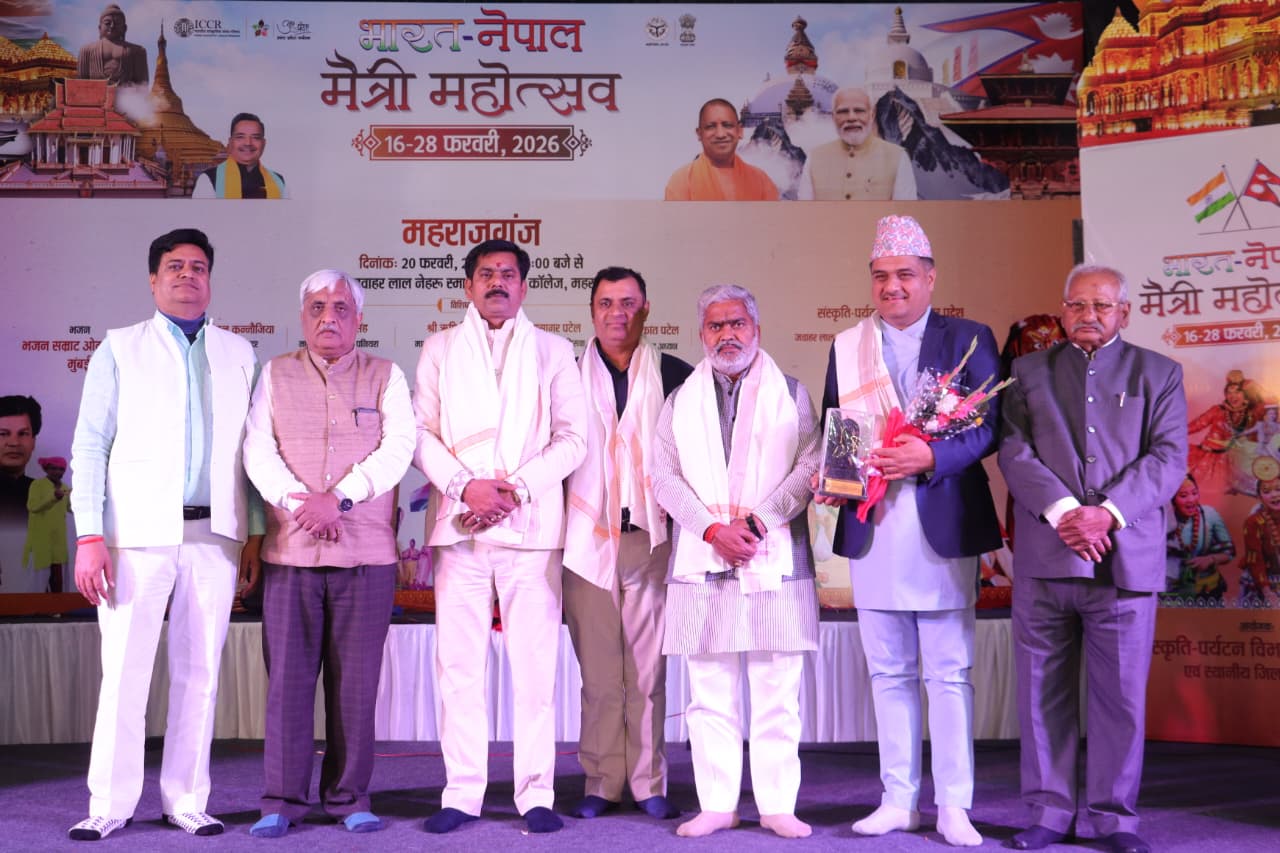
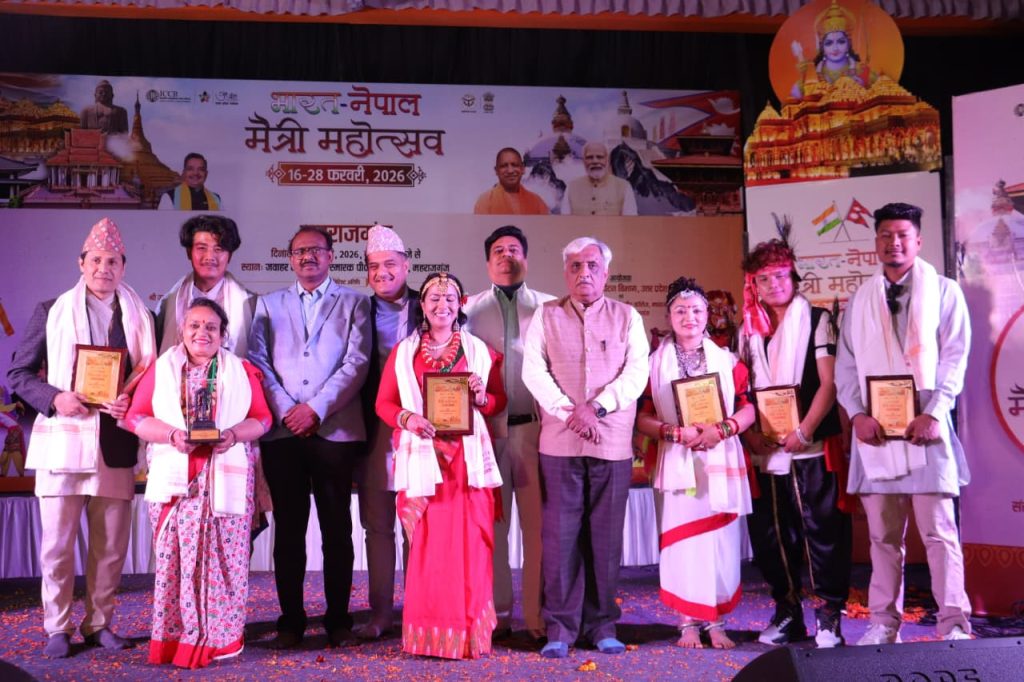
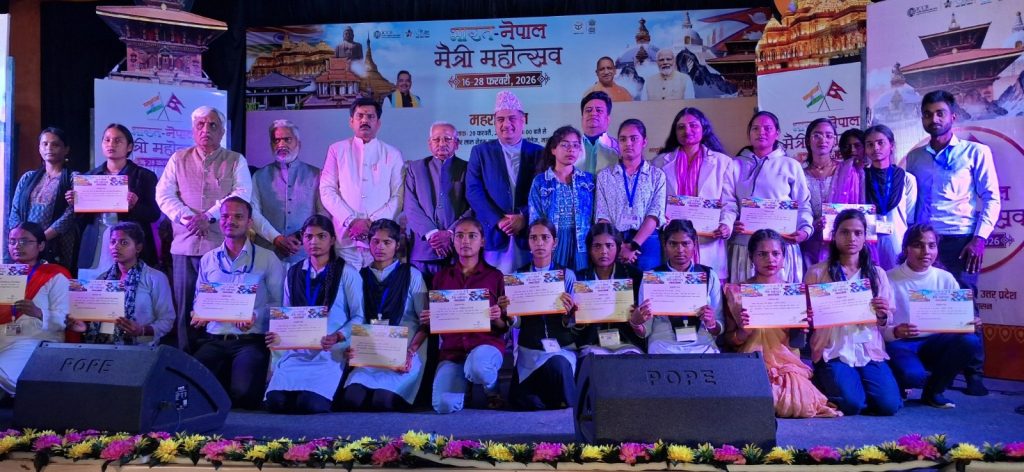
The India–Nepal Friendship Festival brought together tourism leaders, cultural representatives, and dignitaries to celebrate the centuries-old relationship between the two neighboring nations, emphasizing shared heritage, spirituality, and opportunities for cross-border tourism collaboration.
Organized with the support of the Nepal Tourism Board and officials from Uttar Pradesh, the event was described as more than a ceremonial gathering, it was portrayed as a celebration of the “meeting of two civilizations bound by faith, history, and people-to-people ties.”
Ramayana Circuit: Linking Ayodhya and Janakpur
A central theme of the festival was the strengthening of the Ramayana Circuit, which connects sacred sites associated with Lord Ram and Goddess Sita across both countries.
Speakers highlighted that the spiritual journey between Ayodhya, the birthplace of Lord Ram, and Janakpur, the birthplace of Goddess Sita, symbolizes an inseparable cultural bond. Tourism authorities are working to develop integrated pilgrimage routes, infrastructure, and promotional programs so that devotees can experience both destinations in a single spiritual journey.
Officials noted that enhancing accessibility, improving facilities, and jointly marketing the circuit would significantly boost religious tourism and regional economies.
Buddhist Circuit: A Shared Message of Peace
The festival also underscored collaboration in promoting the Buddhist Circuit, connecting important pilgrimage destinations across the border. Key sites include Sarnath and Kushinagar in India, along with Lumbini in Nepal.
Tourism leaders emphasized that these destinations collectively narrate the life and teachings of Lord Buddha and offer an opportunity to present South Asia as a global hub for spiritual learning, peace tourism, and cultural exchange.
Shared Tradition of Hospitality: “Atithi Devo Bhava”
Highlighting the deep-rooted culture of hospitality in both nations, Nepal’s tourism representatives reaffirmed their commitment to welcoming Indian travelers as family. Pilgrims and visitors are encouraged to explore revered sites such as Pashupatinath Temple and Muktinath Temple, alongside Nepal’s Himalayan landscapes and adventure offerings.
The goal, officials stated, is to position Nepal as “a home away from home” for visitors from India by enhancing connectivity, pilgrim-friendly services, and cultural familiarity.
Strengthening Youth, Cultural, and Economic Partnerships
The festival was also viewed as a platform to deepen engagement between young people, tourism entrepreneurs, and cultural institutions of both countries. Participants expressed confidence that collaborative tourism initiatives would lead to increased visitor flows, joint investments, and stronger regional cooperation.
Leadership Perspective
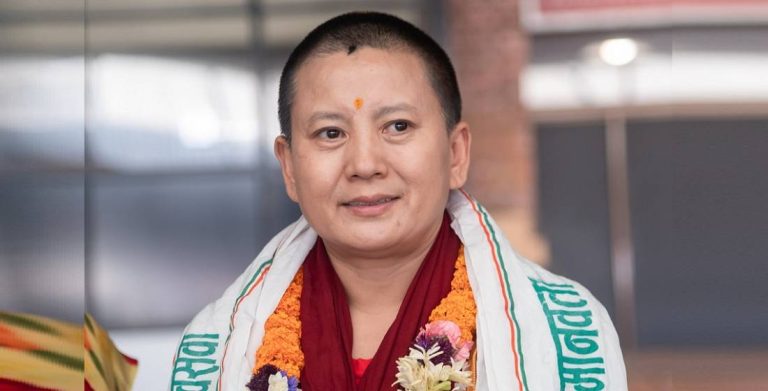
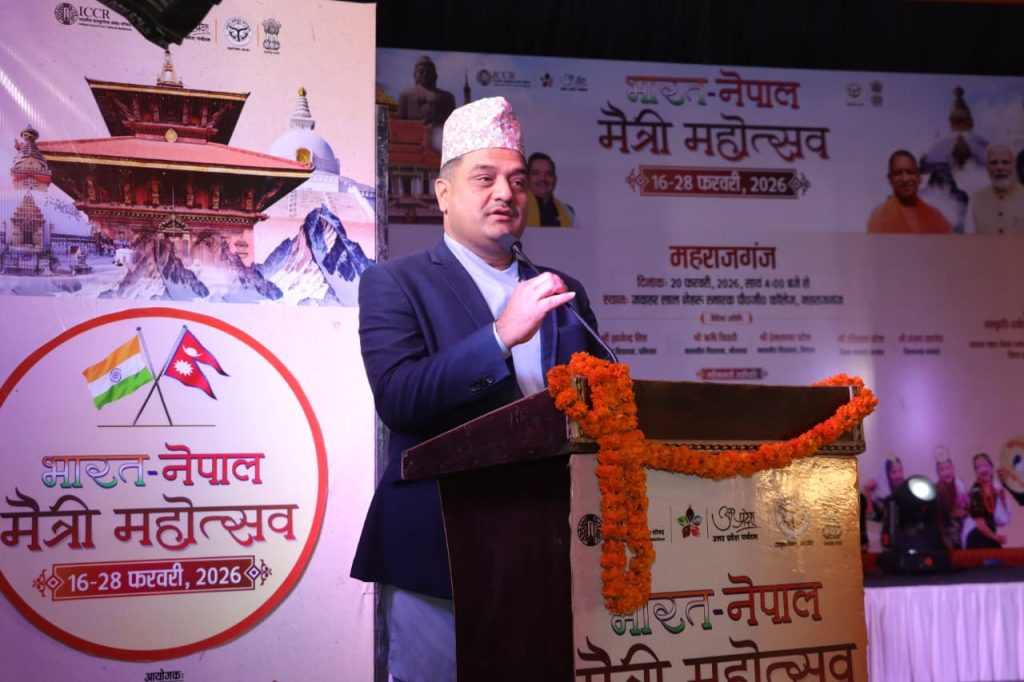
Speaking on the occasion, Maniram Lamichhane, CEO of Nepal Tourism Board (Gandaki Province), emphasized that religious and cultural tourism forms the backbone of India–Nepal relations.
“Our shared heritage, from the Ramayana to the Buddha’s teachings, creates a natural tourism bridge. By working together, we can transform these sacred connections into sustainable economic opportunities while preserving our spiritual legacy,” he said.
A Relationship Beyond Geography
Concluding the program, organizers reiterated that the India–Nepal partnership is rooted not merely in proximity but in shared faith, traditions, and historical continuity. The Friendship Festival was hailed as a step toward ensuring that this bond remains vibrant, much like the enduring purity of the Himalayan winds.
Tourism stakeholders from both sides expressed optimism that coordinated promotion of pilgrimage circuits and cultural experiences would usher in a new era of cross-border tourism growth and mutual prosperity.