India is on track to become the world’s fourth-largest travel and tourism economy by 2036, according to new projections from the World Travel & Tourism Council (WTTC). India, which ranked 10th globally in WTTC’s 2025 Economic Impact Research, is expected to climb into the world’s top four travel and tourism economies over the next decade. The projected rise highlights the country’s sustained tourism growth, expanding economic influence and increasing importance in the global travel industry.
Tourism Sector Grew 7.3% in 2025
According to WTTC’s latest research, India’s travel and tourism sector expanded by 7.3% in 2025, significantly exceeding the 4.1% growth recorded by the global travel and tourism industry. The sector contributed approximately US$263.6 billion to its economy during the year, equivalent to 6.6% of the country’s GDP. It also supported around 46.2 million jobs across a wide range of industries, including hospitality, aviation, transportation, retail and other tourism-related businesses.

The figures demonstrate that tourism is playing an increasingly important role in India’s broader economic development. Beyond generating visitor spending, the sector is contributing to employment generation, infrastructure development, business expansion and investment across the country.
Growth Expected to Accelerate in 2026
WTTC expects India’s travel and tourism industry to maintain its strong growth momentum in 2026. The council projects that the sector’s contribution to India’s GDP will grow by 8.5% this year. International visitor spending is also forecast to increase by 15.3%, reaching approximately US$38 billion, as international travel continues to recover and demand for overseas travel strengthens. The expected increase in international visitor spending reflects the continued expansion of India’s tourism ecosystem and the country’s growing appeal among international travellers.
Domestic Travel Remains a Major Growth Engine
One of the key factors behind India’s tourism expansion is the strength of its domestic travel market. India’s large population, rising household incomes and rapidly expanding middle class are supporting strong demand for domestic holidays, pilgrimage travel, business trips and leisure experiences.
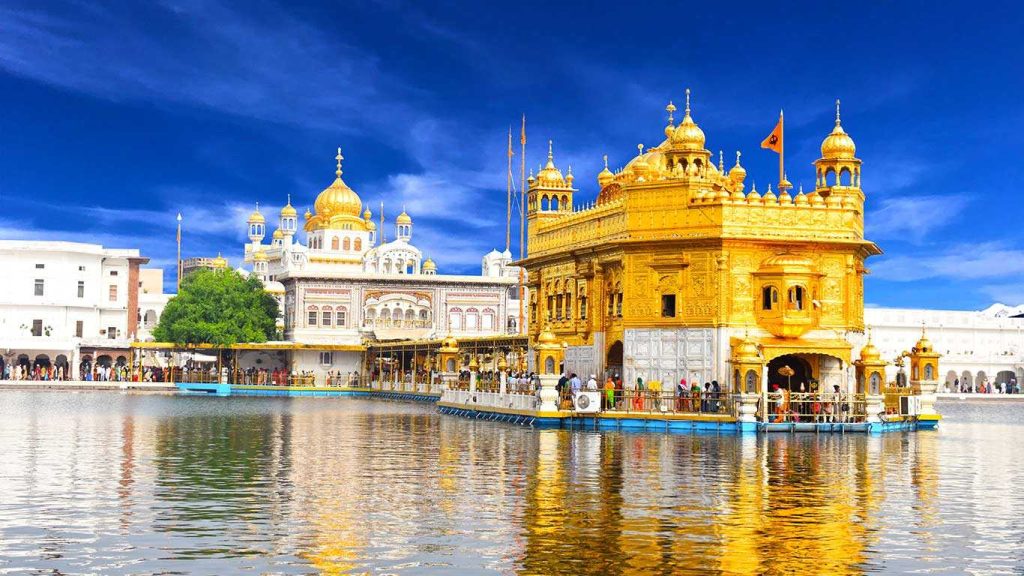
The growth of digital travel platforms and online booking services is also transforming the way Indians plan and purchase travel. Greater access to digital services has made travel more convenient and is helping bring new destinations and tourism experiences within reach of a wider population. The country’s growing domestic travel market provides a strong foundation for long-term tourism growth, even as international travel continues to develop.
Infrastructure and Air Connectivity to Support Expansion
Continued investment in infrastructure is expected to remain a central driver of India’s tourism growth. Investment in airports, highways, railway networks and tourism facilities is helping improve access to destinations across the country. The expansion of air connectivity, in particular, is creating new opportunities for both domestic and international tourism.
Government initiatives aimed at improving destination infrastructure and attracting private-sector investment are also expected to contribute to the long-term development of the industry. Improved connectivity is allowing travellers to access a wider range of destinations, including cultural cities, pilgrimage sites, coastal areas, mountain regions and emerging leisure destinations.
Tourism Expected to Create 15.4 Million New Jobs
India’s tourism expansion is also expected to create significant employment opportunities. WTTC forecasts that the travel and tourism industry will generate an additional 15.4 million jobs between 2026 and 2036. The projected employment growth is expected to benefit a wide range of sectors, including hotels, restaurants, airlines, travel agencies, transportation, tour operations, retail and tourism services. With tourism already supporting more than 46 million jobs, the expected increase could further strengthen the sector’s position as one of India’s major employment-generating industries.
India’s Growth Could Benefit South Asian Destinations
India’s expanding tourism and outbound travel market could also create opportunities for neighbouring countries, including Nepal. As more Indian travellers seek international experiences, improved regional air connectivity and the growth of multi-destination travel could support tourism across South Asia.
Destinations offering pilgrimage, adventure, mountain, cultural and wellness tourism experiences could benefit from increased demand from India’s growing outbound travel market. For Nepal, the potential opportunities could be particularly significant given its proximity to India and its strong tourism assets, including the Himalayas, pilgrimage destinations, cultural heritage sites and adventure tourism products. However, the extent of these benefits will depend on improved regional connectivity, effective tourism promotion, simplified travel arrangements and the readiness of destinations to accommodate growing visitor demand.

Sustained Investment and Skilled Workforce Remain Essential
Despite the positive outlook, maintaining India’s tourism growth will require continued investment and effective destination management. The country will need to further strengthen tourism infrastructure, improve visitor experiences, develop a skilled workforce and ensure sustainable management of rapidly growing destinations. Managing overcrowding, protecting cultural and natural heritage and maintaining high-quality tourism services will also be important as visitor numbers increase.
WTTC’s latest projections suggest that India is well positioned to become one of the most influential travel and tourism economies in the world. Its combination of strong domestic demand, rising international travel, infrastructure development, expanding air connectivity and growing investment could help the country rise from the world’s 10th-largest tourism economy in 2025 to the fourth-largest by 2036. Such a transformation would further strengthen India’s role in shaping the future of global tourism, aviation and travel investment while creating new opportunities across the wider South Asian region.