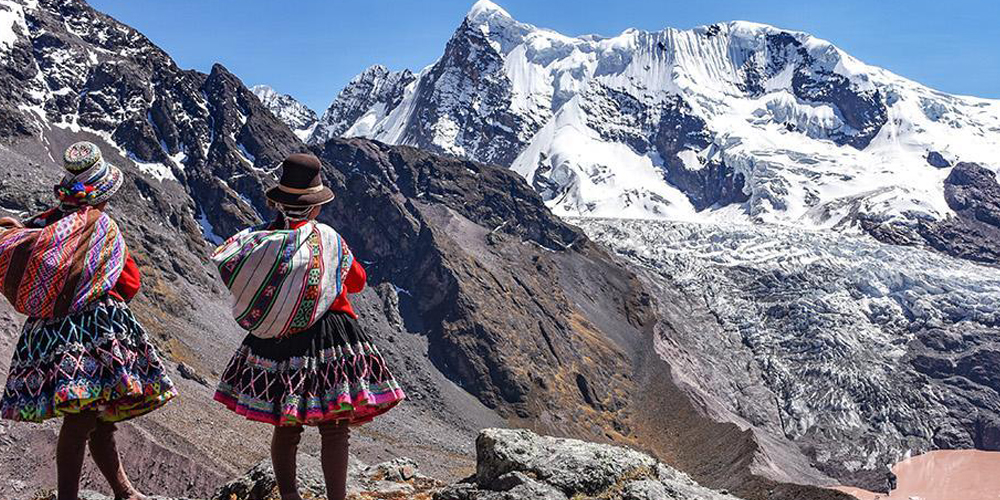
The International Mountain Day (IMD) is being celebrated today across the world, including Nepal, with a series of awareness programmes, campaigns, and community-level activities. Observed every year on December 11, the day aims to draw global attention to the significance and the urgent challenges faced by mountain ecosystems. This year, the day is being commemorated under the theme “Glaciers Matter for Water, Food, and Livelihoods in Mountains and Beyond.”
Global Significance of International Mountain Day
International Mountain Day was established following the United Nations Conference on Environment and Development held in 1992, where Agenda 21 formally recognized the ecological importance of mountain regions. The momentum continued with the declaration of 2002 as the International Year of Mountains, which later encouraged the UN General Assembly to designate December 11 as International Mountain Day from 2003 onwards. Since then, the day has served as a global platform to highlight the vital contribution of mountain ecosystems to water supply, biodiversity conservation, climate regulation, and sustainable livelihoods.

Across the world, governments, organizations, and communities are marking the day with conferences, webinars, photo exhibitions, mountain clean-up campaigns, nature restoration projects, and social media advocacy programs. Nepal, being a country deeply interlinked with the Himalayan ecosystem, is celebrating the day with notable enthusiasm, involving schools, local governments, environmental NGOs, and youth activists.
Focus on This Year’s Theme: Glaciers and Their Importance
The 2024 theme stresses the critical role glaciers play not just in this regions, but also far beyond. Glaciers are an essential source of freshwater, and their rapid shrinkage due to climate change has severe implications for water security, agriculture, hydropower generation, and the overall sustainability of human settlements.
The Food and Agriculture Organization (FAO) has reiterated that glaciers and ice sheets hold nearly 70 percent of the world’s freshwater reserves. As rising global temperatures accelerate glacial melting, the world faces both environmental and humanitarian threats. Faster glacier retreat signals a profound climate imbalance, putting billions of people at risk. Melting glaciers and thawing permafrost lead to increased hazards such as landslides, floods, glacier lake outburst floods (GLOFs), and erosion, directly endangering downstream populations, infrastructures, and farmlands.
UN Declares 2025 as International Year of Glaciers’ Preservation
In recognition of the urgent need to safeguard global glaciers, the United Nations General Assembly has declared 2025 as the International Year of Glaciers’ Preservation. The aim is to deepen global understanding of the importance of glaciers and ice in regulating the Earth’s climate system and freshwater cycle. It also seeks to inspire stronger global commitments to climate action and sustainable environmental policies.
The year-long campaign will focus on scientific research, climate monitoring, policy coordination, and community-based adaptation initiatives, particularly in regions like the Himalayas, Andes, and Arctic, areas where glacial melt is progressing at alarming rates.
Impact on Nepal and Mountain Communities
Nepal, home to some of the world’s highest peaks, including Mount Everest, has been witnessing the effects of glacier shrinkage firsthand. Glacier-fed rivers are crucial to the country’s drinking water supply, irrigation, and hydropower generation. As glaciers retreat, risks of GLOFs, erratic water flows, and biodiversity loss are intensifying.
For Indigenous communities and local groups, glaciers are not just natural formations but sacred entities linked to cultural identity and heritage. The loss of glaciers therefore poses both environmental and emotional consequences.
Economic sectors such as agriculture, hydropower, tourism, and transportation are also increasingly exposed to climate vulnerabilities. Mountain tourism, a major contributor to Nepal’s economy, relies heavily on stable mountain environments, predictable weather, and safe trekking routes, all of which are threatened by glacier degradation.

Awareness Events and Activities
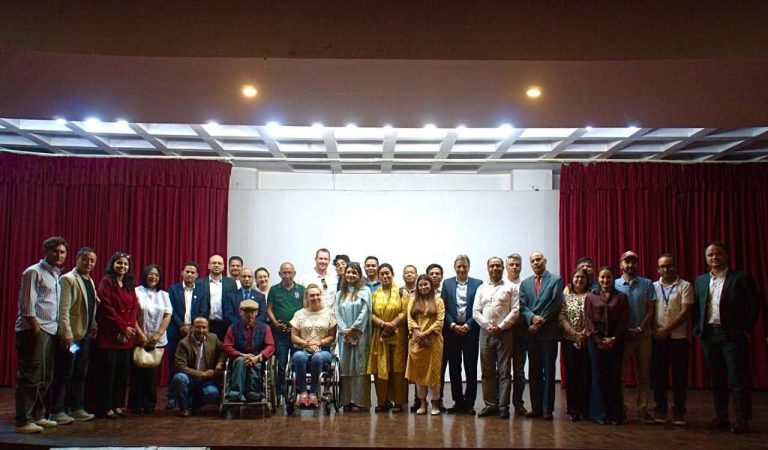
In Nepal, various stakeholders are organizing events to mark the day, including awareness rallies, school programs, expert panel discussions, social media campaigns, and local conservation actions. Environmental groups are conducting clean-up drives in mountainous regions, while researchers and students are participating in glacier-monitoring workshops and educational seminars.
The government and conservation organizations have emphasized the need for stronger climate policies, sustainable mountain development strategies, and enhanced community involvement to protect fragile mountain ecosystems.