Japanese companies are preparing to introduce advanced technologies in Nepal for sustainable agriculture, clean environment, water purification, energy efficiency and waste management, with the initiatives also expected to create new opportunities for sustainable and eco-friendly tourism.
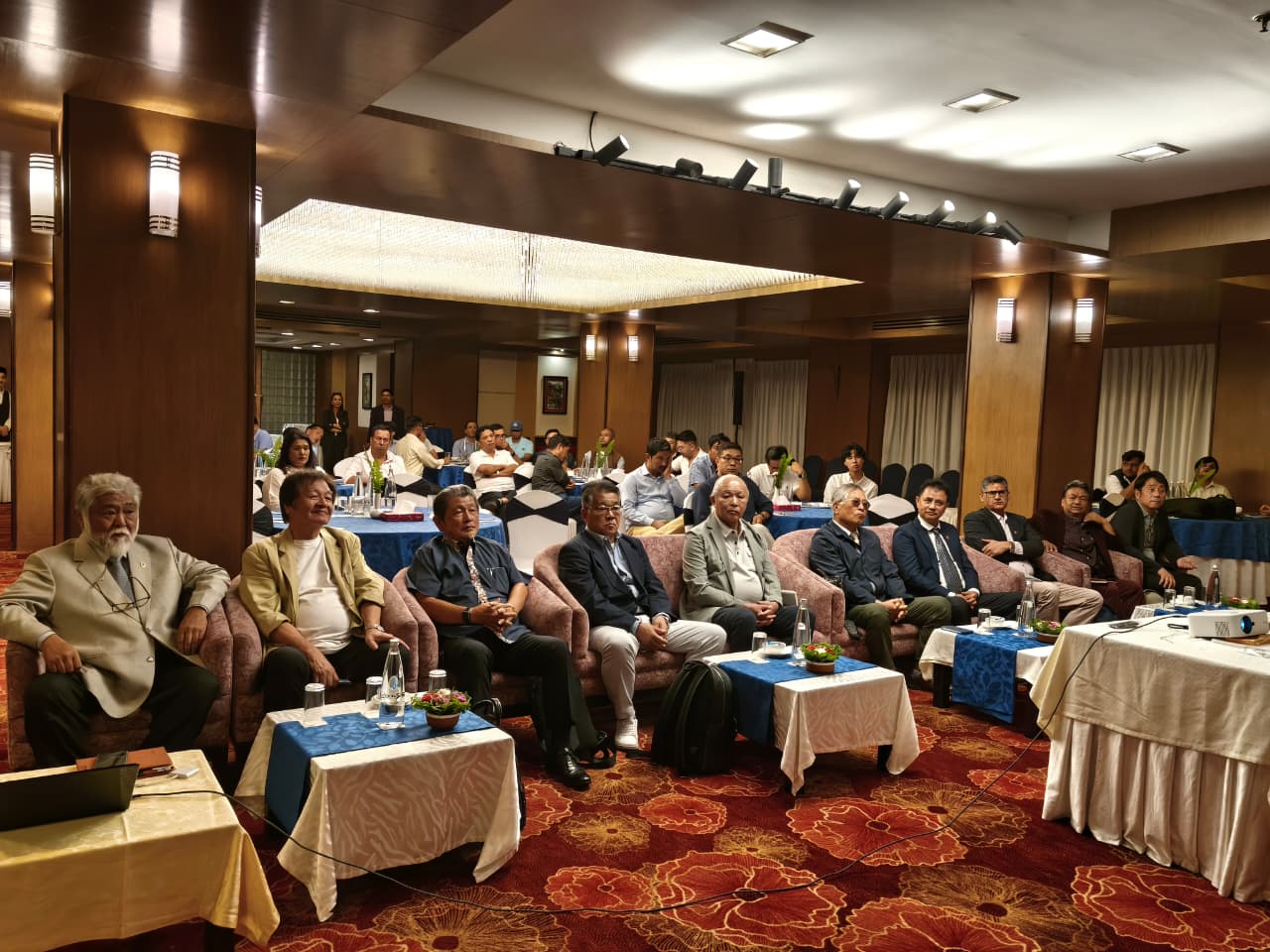
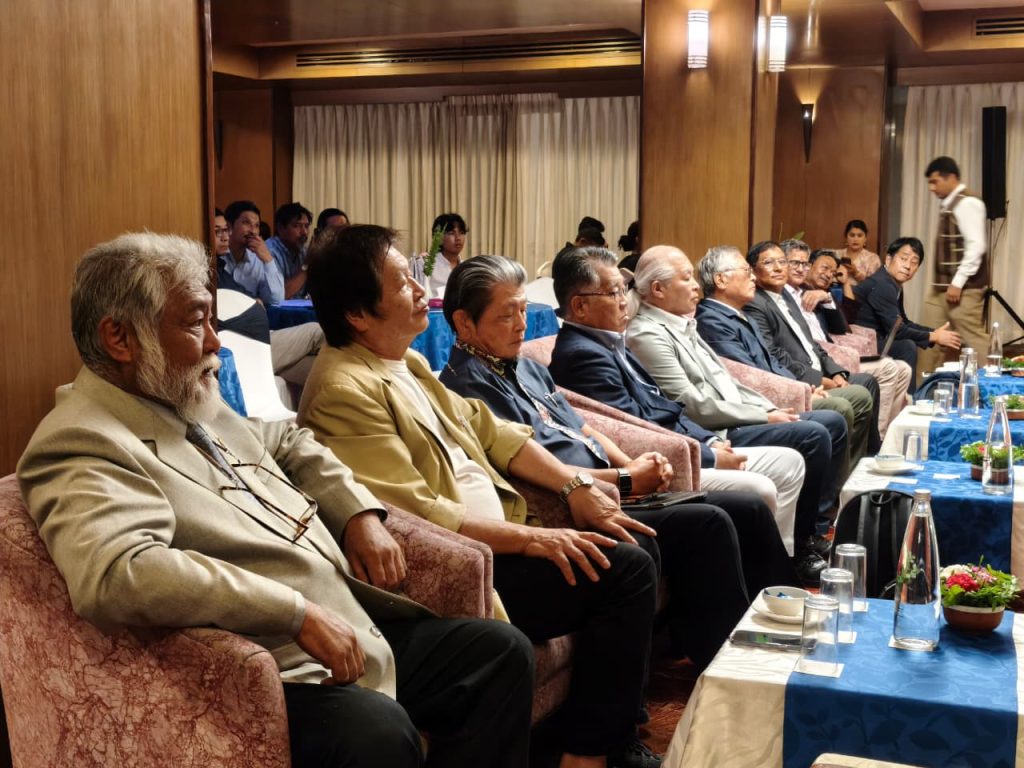
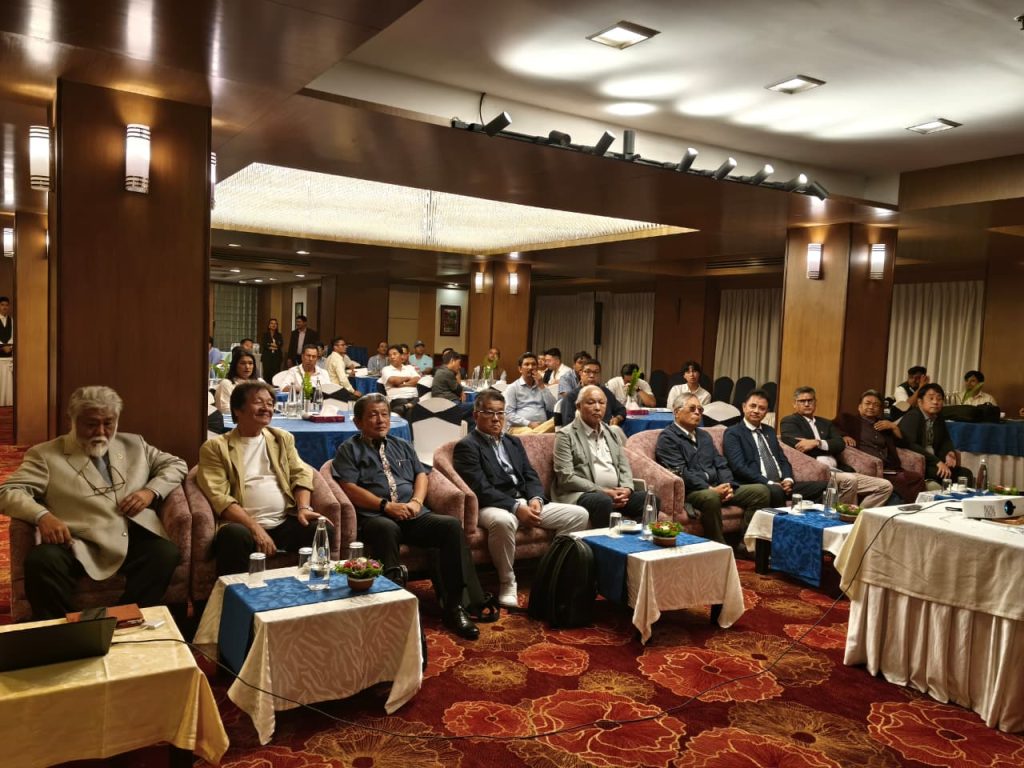
The investment plans were announced at the “Japan to Nepal: Innovate, Integrate and Inspire” programme organised in Kathmandu on Sunday by Sandipani Group of Companies and Nepal Universal Trading. Japanese companies presented initial investment concepts worth more than Rs 800 million for the introduction and expansion of various green technologies in Nepal. The programme highlighted the potential of technology-based cooperation between Nepal and Japan to increase agricultural productivity, protect the environment, improve energy efficiency and support sustainable development.

Green Technology Seen as Opportunity for Sustainable Tourism
The introduction of these technologies could also support Nepal’s tourism sector by promoting cleaner, more sustainable and environmentally responsible destinations. Improved waste management, water purification, energy-saving systems and eco-friendly sanitation facilities can help tourism destinations reduce their environmental impact and improve services for visitors. Such technologies could be particularly useful in mountain destinations, trekking routes, hotels, resorts, homestays, national parks and other tourism hubs where waste, water management and energy efficiency remain major challenges. The adoption of green technologies could also strengthen Nepal’s potential as a destination for sustainable, nature-based and wellness tourism.
Nepal-Japan Cooperation to Support Sustainable Economic Development
Dil Sundar Shrestha, Vice-President of the Federation of Nepalese Chambers of Commerce and Industry (FNCCI) and chief guest at the event, said the expansion of technology-based cooperation between Nepal and Japan could open a new chapter in sustainable economic development, agricultural modernisation and environmental protection. He stressed the need to link private-sector cooperation to investment, job creation, and innovation.
Naresh Chandra Ojha, Chief Executive Officer of Sandipani Group, said cooperation between Japan and Nepal should not remain limited to commercial relations but should be viewed as a shared effort to build a sustainable future. He said innovation, partnership and sustainable development were the shared vision behind the collaboration, adding that such partnerships could create new businesses, employment opportunities and long-term economic prospects in Nepal.
Recycled Glass Technology to Support Agriculture and Green Infrastructure
During the programme, Japanese companies presented a range of environmentally friendly technologies proposed for Nepal. Tsuboi Iwao, Chairman of Trim Co. Ltd. of Japan, presented the “Super Sol” technology, which produces a lightweight and porous material from discarded glass. The recycled glass-based material can be used in agriculture, horticulture, water purification, construction and green infrastructure. The technology is expected to help convert waste glass into a useful resource while supporting sustainable development. The technology could also have applications in tourism infrastructure, including landscaping, eco-friendly construction and environmental management in tourism destinations.
Oxygen Filter Technology Proposed for Water Purification
Michio Morita, Chairman of DAE-A Co., Ltd., presented an oxygen filter technology proposed for use in Nepal. The technology is designed to dissolve high levels of oxygen into water and can be used in rivers, lakes, fish farming, agriculture, and wastewater treatment. According to the presentation, increased oxygen levels can support the activity of beneficial microorganisms and contribute to the natural purification of polluted water. The technology could be particularly useful in tourism destinations where the protection of rivers, lakes and other water bodies is essential for maintaining the natural environment and visitor appeal.
Super LED Technology to Promote Energy Efficiency
Toshiaki Koshakai, Chairman of Kodyu Japan Co. Ltd., presented the company’s Super LED technology, which is designed to reduce energy consumption. The company plans to provide Japanese-quality LED products at prices comparable to currently available low-cost LEDs in Nepal. It aims to expand the technology across the country within the next three years. The energy-saving technology is expected to contribute to electricity conservation and reduce energy consumption. For the tourism sector, energy-efficient lighting could help hotels, resorts, restaurants and tourism facilities reduce operating costs while supporting the development of greener tourism infrastructure.
Mizuki High Water Technology Offers New Water Treatment Solutions
Hajime Masaki, Chief Technical Officer of Kodyu Japan, presented the Mizuki High Water system, a chemical- and alcohol-free water treatment technology. According to the presentation, the system can be used to address bacteria, fungi, and viruses affecting agriculture and poultry and could serve as an alternative to certain pesticides. Masaki said the technology could also be used in poultry disease management and for cleaning wounds. He further stated that the system is used in dental treatment in Japan, where more than 80% of dentists reportedly use Mizuki High Water during treatment. The technology could support better water management in the agriculture and drinking water sectors while also contributing to improved hygiene and sanitation standards.
Sustainable Toilet System to Improve Sanitation
Yonekazu Tanaka, Chairman of Mitomi Co. Ltd., presented a sustainable toilet system designed to use less water, improve sanitation and support environmentally friendly waste management. The system could be particularly valuable in areas where water resources are limited and in remote tourism destinations where sanitation infrastructure remains a challenge. The introduction of such systems could help improve facilities along trekking routes, camping areas, rural tourism destinations and other locations that receive visitors but lack extensive sanitation infrastructure.
Investment Concepts Worth More Than Rs 800 Million
According to Ojha of Sandipani Group, the investment concepts presented during the programme include approximately Rs 500 million for Super Sol, Rs 250 million for Super LED, Rs 150 million for Oxygen Filter, Rs 100 million for Sustainable Toilet and Rs 50 million for Mizuki High Water. These projects are expected to support the introduction of advanced Japanese technologies in Nepal while creating opportunities for local partnerships, employment and future investment.
Potential to Support Nepal’s Tourism Goals
Stakeholders participating in the programme expressed the belief that the successful implementation of green technologies could contribute to increased agricultural production, protection of water resources, energy conservation, improved waste management and reduced carbon emissions. For Nepal’s tourism sector, these technologies could play an important role in building more sustainable destinations.

From the Himalayas and trekking routes to hotels, resorts, national parks and urban tourism centres, improved water management, waste treatment, energy efficiency and sanitation could help Nepal respond to the growing global demand for environmentally responsible travel. The collaboration between Japanese technology companies and Nepali businesses could therefore support not only industrial and agricultural development but also Nepal’s long-term ambition to promote sustainable and responsible tourism.
Green Innovation Could Strengthen Nepal’s Tourism Future
As travellers increasingly seek destinations that prioritise environmental protection and sustainability, the introduction of Japanese green technologies could give Nepal an opportunity to strengthen its position in the global sustainable tourism market. The partnership could help Nepal develop cleaner tourism destinations, improve the quality of services and reduce the environmental footprint of tourism activities. The initiative also aligns with broader efforts to promote sustainable development, protect natural resources and achieve the Sustainable Development Goals, while creating new opportunities for innovation and investment across Nepal’s economy.