After a year of anticipation and preparation, the newly established Immigration Office at Nepal’s Korala border with China has officially commenced operations, signaling a significant step forward for cross-border travel and tourism. The launch, which took place on Friday, is expected to provide a vital link for both Upper Mustang residents and international tourists, enabling smoother access to Tibet and surrounding regions.
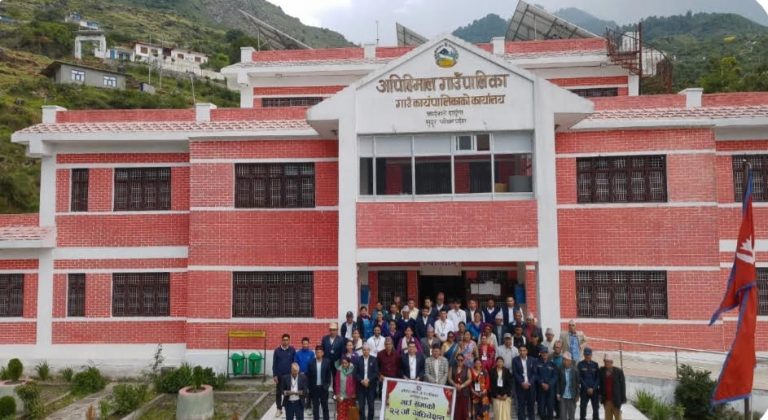
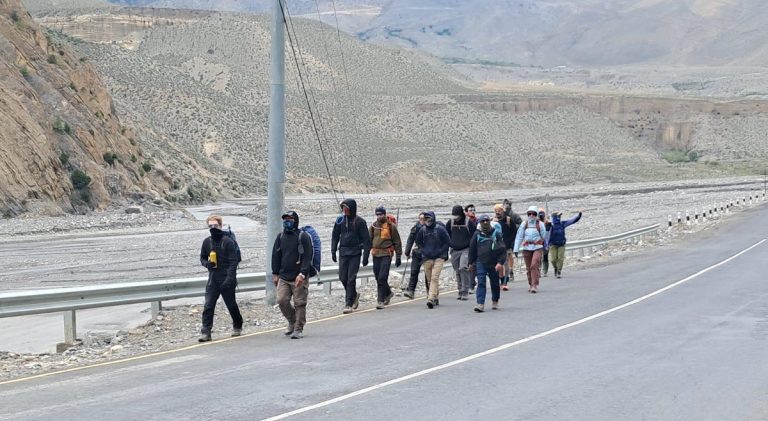
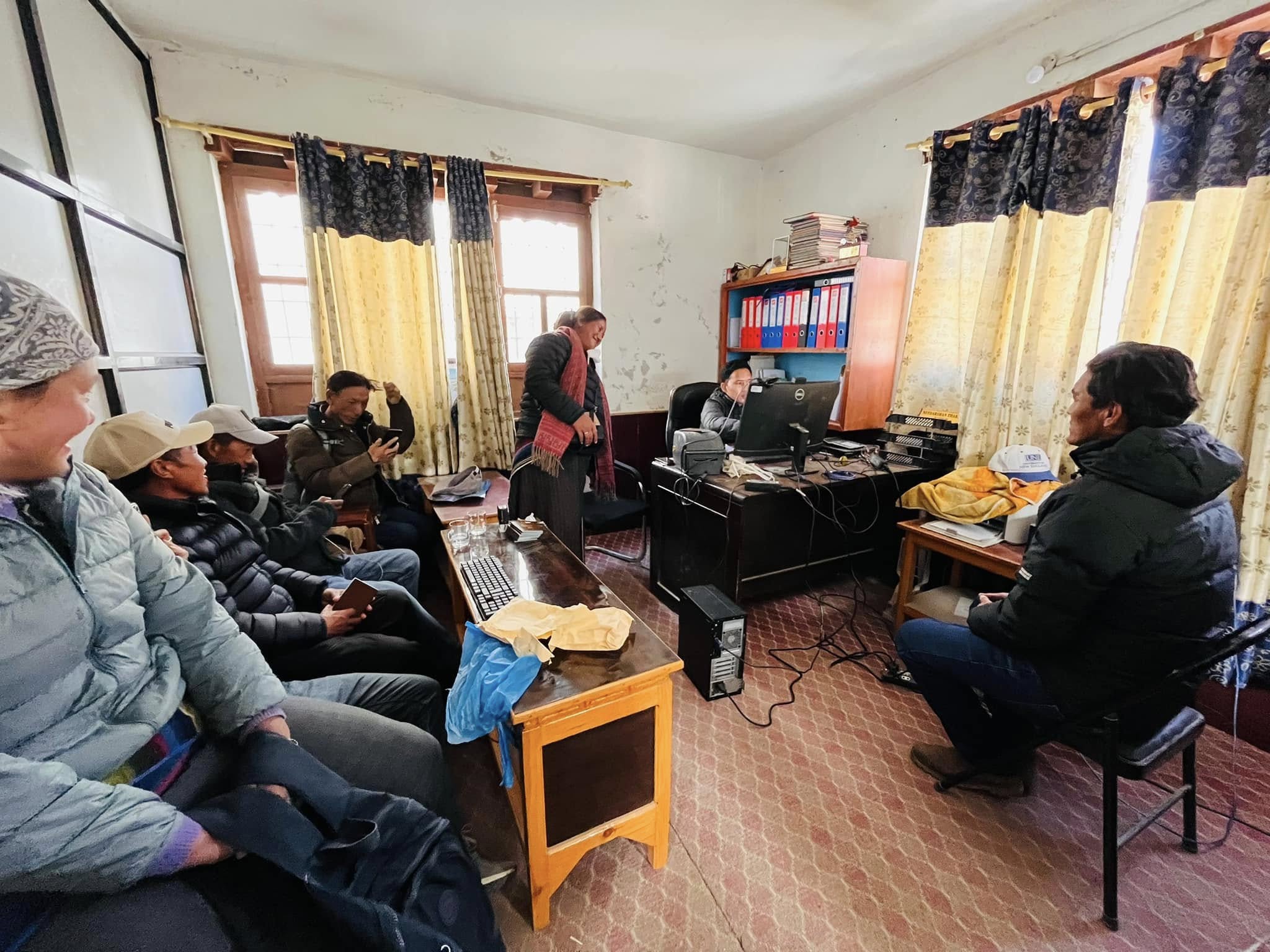
The Korala border, strategically located between Nepal and China, was initially opened to Upper Mustang inhabitants on November 13, 2023. Although the Immigration Office was formally established on October 30, 2024, it did not begin functioning immediately. Now operational, the office has already facilitated travel for a group of 13 representatives from Lomanthang and Loghekar Damodarkunda Rural Municipalities, who embarked on a week-long journey to Lhasa and Kailash in China.

Officials Emphasize Tourism Potential
Prabesh Baduwal, Chief of the Korala Immigration Office, highlighted the importance of the development. “This is the first time we are offering services to the public, and we are optimistic about the potential it holds for enhancing connectivity and tourism between Nepal and China,” he said.
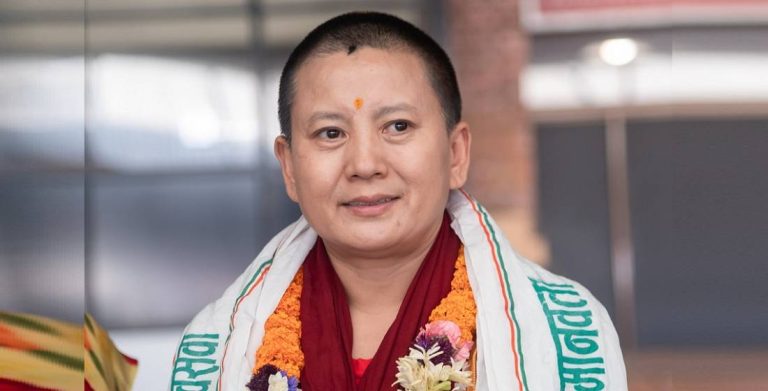
The delegation included prominent officials such as Lomanthang Rural Municipality Chairman Tasi Nharbu Gurung and Vice Chairman Tshiring Lhamo Gurung of Loghekar Damodarkunda, who plan to explore ways to promote the newly accessible tourist route. Their expedition serves not only as a visit but also as a pilot project to gauge interest in the Korala-Lhasa-Kailash tourism corridor.
Visa Policies and Challenges
According to Baduwal, Chinese and other foreign nationals entering Nepal via the Korala border are eligible for a free 150-day ‘on-arrival visa’, a move aimed at boosting tourism. However, he acknowledged challenges remain, particularly the $500 entry fee imposed by the government for foreign visitors to Upper Mustang. “While the free visa is a positive step, the accompanying fees could still deter some travelers,” he explained.
Despite these hurdles, the Immigration Office’s establishment is seen as part of a larger strategy to develop regional tourism, attracting visitors and creating new economic opportunities for Upper Mustang.
Economic and Cultural Opportunities
Local authorities are optimistic about the corridor’s potential to transform the regional economy. “This initiative can create jobs, attract tourists, and enhance cultural exchanges between our communities and our neighbors in China,” said Chairman Tasi Narbu Gurung. The 13 representatives’ journey is designed to test the route’s feasibility for tourists and identify areas for improvement, ensuring that future travelers can enjoy a seamless experience. The route also offers unique cultural and spiritual tourism opportunities, connecting Nepalese visitors with Tibetan culture and vice versa, further promoting cross-cultural understanding.
Future Prospects and Challenges
While the office’s opening brings hope for increased tourism, local stakeholders stress the need for coordinated efforts to overcome administrative and financial barriers, such as processing times and border crossing fees. Infrastructure and support services in Upper Mustang will need further development to accommodate a growing influx of visitors, from lodging and food facilities to transport and guided services.
Nevertheless, the launch marks a historic milestone. The Korala Immigration Office could redefine Upper Mustang’s tourism landscape, boosting the local economy and establishing the region as a major cultural and adventure destination for travelers from Nepal, China, and beyond.

A New Era for Upper Mustang
With the first group of officials and representatives already on their journey to Lhasa, anticipation is high. The Korala border’s Immigration Office is not merely an administrative facility; it represents a gateway to a thriving cross-border tourism economy. By fostering cultural exchanges, facilitating pilgrimage and adventure travel, and promoting regional connectivity, Upper Mustang stands poised to enter a new era of economic growth and international recognition.
As the region continues to navigate logistical challenges and optimize services, the potential for Upper Mustang as a premier tourist and cultural destination has never been greater, offering breathtaking landscapes, spiritual experiences, and meaningful cross-cultural interaction at Nepal’s northern frontier.