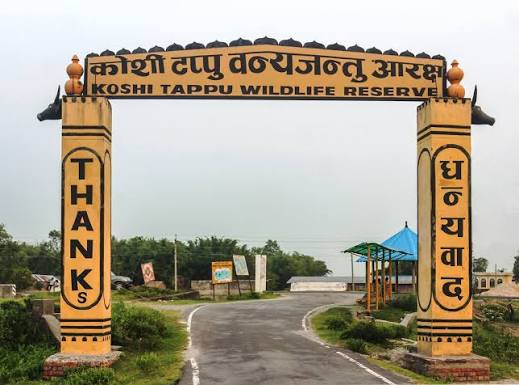
Despite its rich biodiversity, wetlands, grasslands, rivers and growing population of wild water buffalo, Koshi Tappu Wildlife Reserve continues to receive relatively few international visitors. Tourism stakeholders say the lack of promotion, visitor infrastructure and organized tourism products has prevented the reserve from reaching its full tourism potential.
According to data from the Koshi Tappu Wildlife Reserve, a total of 90,283 visitors entered the reserve between fiscal year 2018/19 and 2025/26. However, only 2,029 of them were foreign tourists, indicating that international arrivals remain low compared with the reserve’s tourism potential and visitor numbers at other protected areas in Nepal. In fiscal year 2025/26, the reserve recorded 12,883 visitors, including just 305 foreign tourists. Similarly, 11,606 visitors entered the reserve in 2024/25, of whom 302 were foreign nationals. In 2023/24, the reserve welcomed 12,556 visitors, including 327 foreign tourists.

The figures show that foreign visitor numbers have remained relatively stagnant over the years. In 2022/23, 311 foreign tourists visited the reserve out of 12,479 total visitors. The number stood at 130 out of 11,167 visitors in 2021/22, while 77 foreign tourists visited out of 9,818 visitors in 2020/21. In 2019/20, the reserve recorded 189 foreign visitors among 11,014 tourists, while 388 foreign tourists visited in 2018/19, when total visitor numbers stood at 8,763.
According to Mithilesh Mahato, Assistant Warden and Information Officer of Koshi Tappu Wildlife Reserve, the number of foreign visitors remains significantly lower than that of many other national parks and wildlife reserves in Nepal. He attributed the low international arrivals partly to inadequate tourism infrastructure and insufficient promotion of the destination.
Strong Potential for Wildlife and Bird Tourism
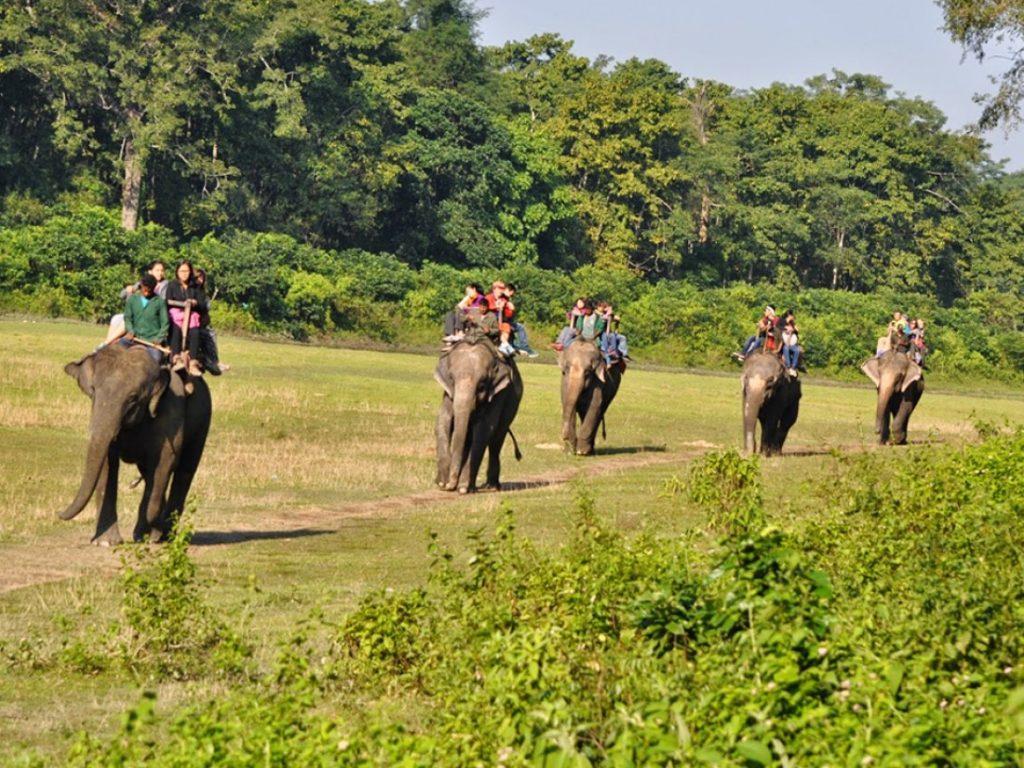
Koshi Tappu has considerable potential to become a major destination for wildlife observation, birdwatching and wetland tourism. However, tourism infrastructure has not developed sufficiently to support these activities on a larger scale. The reserve’s most prominent attraction is the wild water buffalo, locally known as Arna, but its tourism resources extend well beyond the species. The reserve’s wetlands, rivers, grasslands and diverse birdlife provide opportunities for birdwatching, nature walks, river-based tourism and wildlife safaris.
Tourism entrepreneur Raman Bhattarai said the destination could attract considerably more international visitors if these activities were developed and promoted in an organized manner. Bhattarai has started jungle safari activities from a resort at Belaka Beach, located between Sunsari and Udayapur. However, he pointed out that inadequate road infrastructure inside and around the reserve makes it difficult to provide visitors with a comprehensive safari experience.
He said the development of well-managed hiking and birdwatching trails, visitor information centres and homestays could significantly improve the visitor experience and encourage tourists to stay longer in the area. Better connectivity between tourism businesses, local communities and the reserve could also help create integrated tourism packages combining wildlife, culture, wetlands and local experiences.
Biodiversity Offers Untapped Tourism Opportunities
Established in 1975, Koshi Tappu Wildlife Reserve covers approximately 173 square kilometres across Sunsari, Saptari and Udayapur districts. The reserve was included in the Ramsar List of Wetlands of International Importance in 1987, reflecting its significance as a major wetland ecosystem.
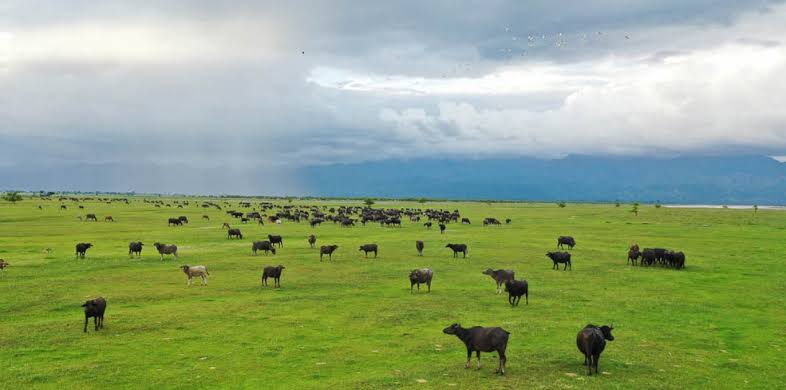
The reserve is particularly important for the conservation of wild water buffalo. A census conducted in 1976 recorded only 63 Arna in Koshi Tappu. According to the 2021 census, the population had increased to 498, highlighting the reserve’s importance for the species. Koshi Tappu is also home to an exceptional range of biodiversity, including 42 species of mammals, 535 species of birds, 141 species of fish and 77 species of butterflies.

The reserve also supports 32 Bengal floricans (Khar Mayur) and 19 dolphins, while numerous migratory birds arrive in the wetlands during the winter season. With this combination of wildlife, wetlands, rivers, grasslands and migratory birds, tourism stakeholders believe Koshi Tappu could be developed as a distinctive nature and wildlife destination in eastern Nepal.
However, they emphasize that simply having biodiversity is not enough to increase international arrivals. Consistent destination promotion, improved access, visitor facilities, trained tourism services and clearly packaged tourism experiences will be essential to transform Koshi Tappu’s natural assets into a competitive international tourism product.