Kumari Puja, an integral part of Nepal’s rich cultural heritage, is not only a significant religious ceremony but also a major attraction for tourists worldwide. This ancient tradition, deeply rooted in the Kathmandu Valley, offers a glimpse into the unique religious practices of Nepal and attracts thousands of visitors each year.
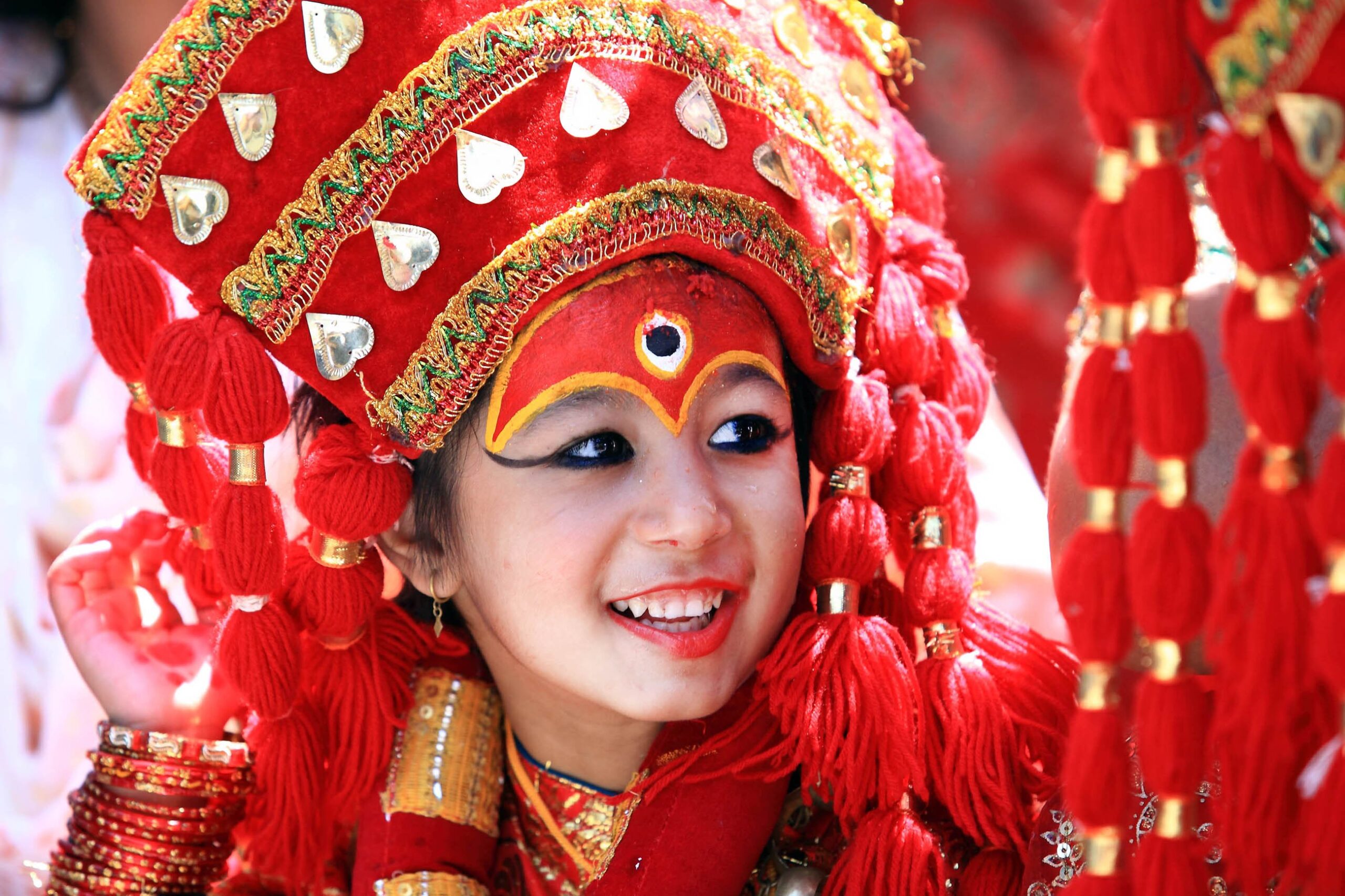
Kumari Puja is the worship of the “Kumari,” a young pre-pubescent girl selected from the Newar community, who is revered as a living goddess. The tradition dates back to the 17th century, during the reign of King Jay Prakash Malla. According to legend, the tradition began when the king sought to appease the goddess Taleju after displeasing her. The goddess instructed the king to select a young girl to embody her spirit, thus initiating the tradition of the living goddess.
The Kumari is chosen based on strict criteria, including her physical perfection and several symbolic attributes. Once selected, she resides in the Kumari Ghar, a specially designated house in Kathmandu Durbar Square, where she is worshipped and cared for. Her reign continues until she reaches puberty, after which a new Kumari is chosen.
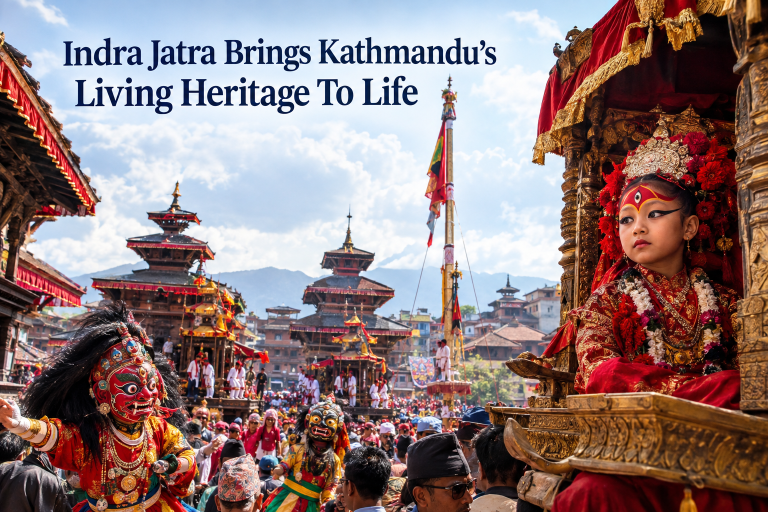
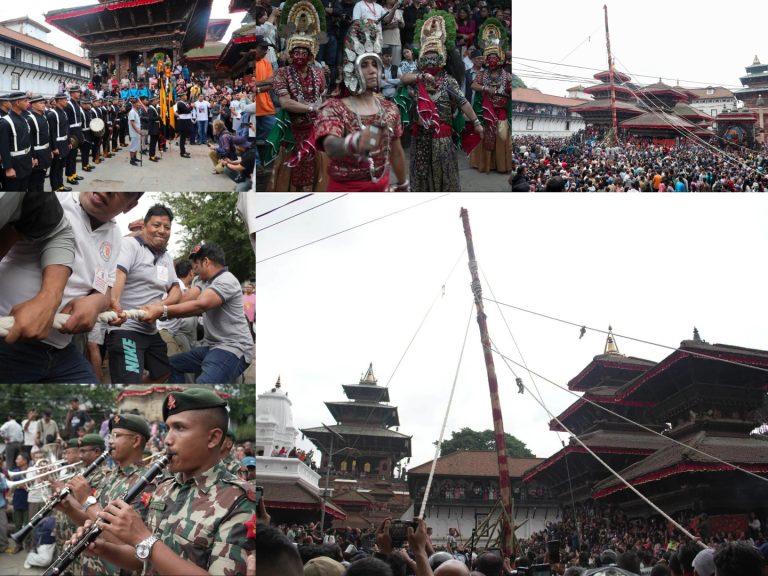
Kumari Puja involves various rituals and ceremonies, the most prominent being the Indra Jatra festival. During this festival, the living goddess is paraded through the streets of Kathmandu in a chariot, allowing devotees and tourists to catch a rare glimpse of her. The festival, held in September, is a vibrant celebration featuring traditional dances, music, and an array of cultural performances.
The Kumari is also involved in other significant rituals throughout the year, including Dashain and Tihar, major Hindu festivals in Nepal. These ceremonies attract numerous devotees who believe that the Kumari’s blessings can bring good fortune and prosperity.
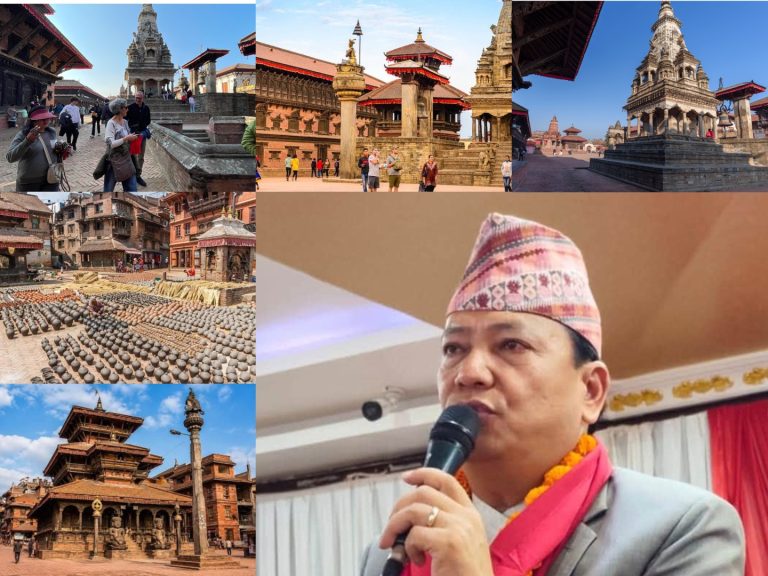
Kumari Puja has become a focal point for cultural tourism in Nepal. Tourists are drawn to the mystique surrounding the living goddess and the elaborate rituals associated with her worship. The historical Kumari Ghar, located in the UNESCO World Heritage Site of Kathmandu Durbar Square, is a major attraction for visitors. The intricate woodwork and architecture of the Kumari Ghar, combined with the opportunity to witness traditional ceremonies, provide a unique experience for tourists.
Local tour operators offer guided tours that include visits to the Kumari Ghar, participation in festival celebrations, and insights into the cultural significance of the Kumari tradition. These tours not only enhance the visitors’ understanding of Nepali culture but also contribute to the local economy by promoting cultural heritage tourism.
The Kumari tradition holds immense cultural and religious significance for the Newar community and Nepal as a whole. It symbolizes the divine presence and the protection of the goddess over the Kathmandu Valley. The influx of tourists during festivals and ceremonies brings economic benefits to local businesses, artisans, and the hospitality sector.
It is essential to maintain a balance between tourism and the preservation of this sacred tradition. Efforts are being made to educate tourists about the cultural and religious importance of Kumari Puja, ensuring respectful and meaningful engagement with the local customs.
Kumari Puja is more than just a religious ceremony; it is a living testament to Nepal’s rich cultural heritage and a unique attraction for tourists. The history and rituals associated with the living goddess offer a fascinating insight into the spiritual life of the Newar community. As tourism continues to grow, preserving and promoting the cultural significance of Kumari Puja will remain vital to sustaining this extraordinary tradition.