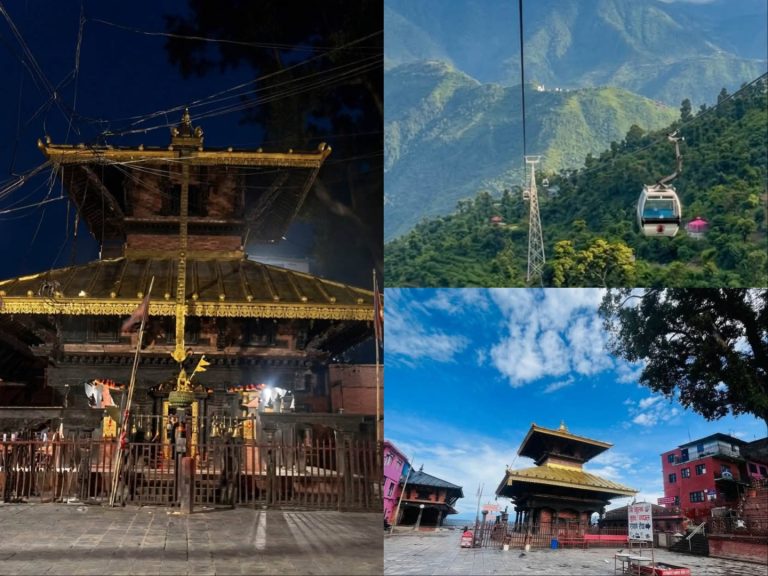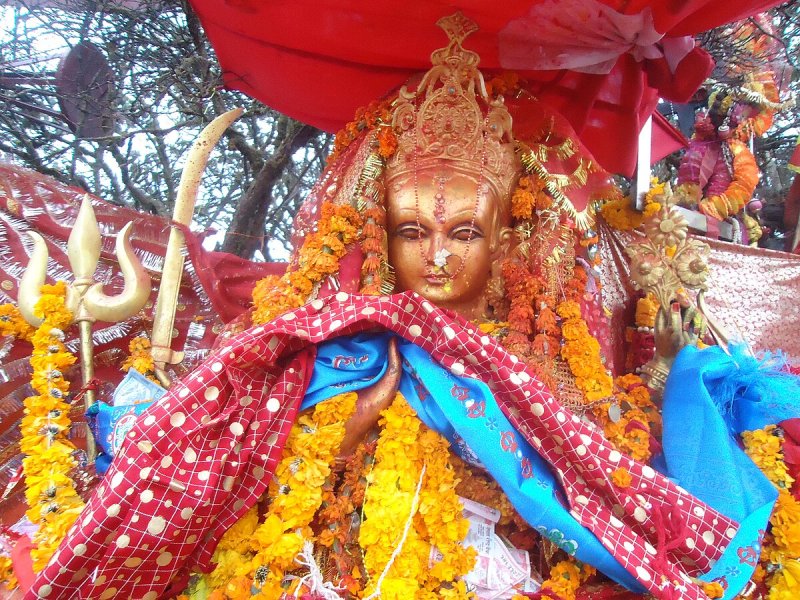
Pathibhara Temple, situated in the Taplejung District of eastern Nepal, is rapidly gaining prominence not only as a revered pilgrimage site but also as a significant tourist destination. This sacred temple, perched at an elevation of 3,794 meters (12,448 feet) above sea level, attracts thousands of devotees and tourists each year, drawn by its spiritual significance and the breathtaking natural beauty surrounding it.
Pathibhara Temple, dedicated to Goddess Pathibhara, holds profound religious importance for both Hindus and Buddhists. Devotees believe that worshiping at this temple fulfills their wishes and brings prosperity. The temple is especially popular among pilgrims from Nepal, India, and other neighboring countries. During special occasions and festivals, the temple sees an influx of worshippers who come to offer prayers, perform rituals, and seek blessings.
The trek to Pathibhara is considered a spiritual journey, with many devotees walking the rugged trails as an act of devotion. The path is adorned with prayer flags, small shrines, and scenic viewpoints, enhancing the spiritual ambiance of the pilgrimage.
The history of the Pathibhara Temple dates back several centuries. According to the local legends, the temple was established following a divine revelation to a shepherd who was seeking lost sheep. The shepherd was guided by the goddess in a dream, and upon following the instructions, he discovered the lost sheep unharmed. In gratitude, the shepherd built a shrine at the site, which eventually evolved into the present-day temple.
Over time, the temple gained a reputation for its miraculous powers and began attracting pilgrims from distant regions. The exact date of the temple’s establishment remains uncertain, but it has been a place of worship and pilgrimage for many generations.
In recent years, the Pathibhara Temple has emerged as a key destination for religious tourism, contributing significantly to the local economy. The trek to Pathibhara offers not only spiritual fulfillment but also an opportunity to experience the pristine natural beauty of the Kanchenjunga Conservation Area. The trail provides stunning views of the Kanchenjunga and the Makalu mountain ranges, diverse flora and fauna, and picturesque landscapes.
Local communities have benefited from the influx of tourists, with many villagers engaging in hospitality services, guiding, and providing transport. The development of lodges, teahouses, and other tourist amenities along the trekking route has created employment opportunities and boosted local businesses.
The Pathibhara Temple is accessible via a trekking route from Suketar, which has a small airport with flights from Kathmandu. The trek from Suketar to the temple takes about two to three days, depending on the pace of the trekkers. The trail is well-marked and offers basic facilities for the trekkers.
For those seeking a shorter journey, a road connects Phungling Bazaar, the district headquarters, to Kaflepati, from where a shorter trek of about 8 to 9 hours leads to the temple. Helicopter services are also available for pilgrims and tourists who prefer a quicker and more comfortable journey.
Efforts are being made to promote sustainable tourism in the Pathibhara region. The local authorities and conservation organizations are working together to preserve the natural environment and cultural heritage of the area. Initiatives include waste management programs, awareness campaigns, and infrastructure development to ensure that the increasing number of visitors does not negatively impact the fragile ecosystem.
Pathibhara Temple stands as a testament to the rich cultural and spiritual heritage of Nepal. Its growing popularity as a pilgrimage and tourist destination highlights the unique blend of spirituality and natural beauty that Nepal offers to the world. Visitors to Pathibhara not only seek divine blessings but also embark on a journey through one of Nepal’s most picturesque and serene landscapes.