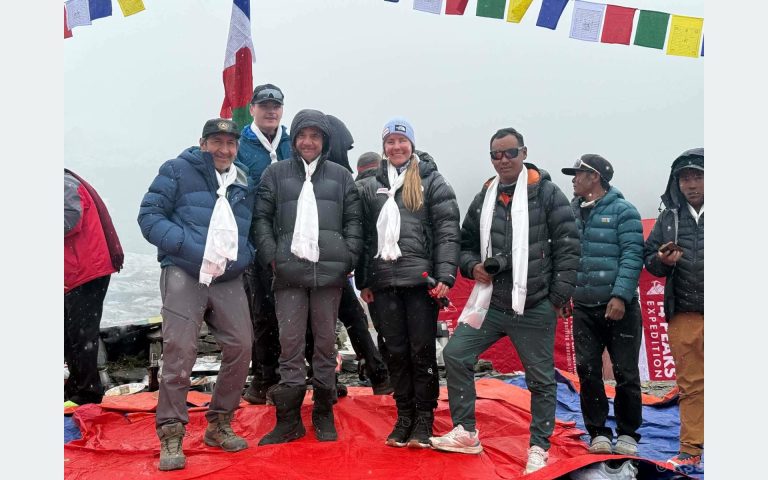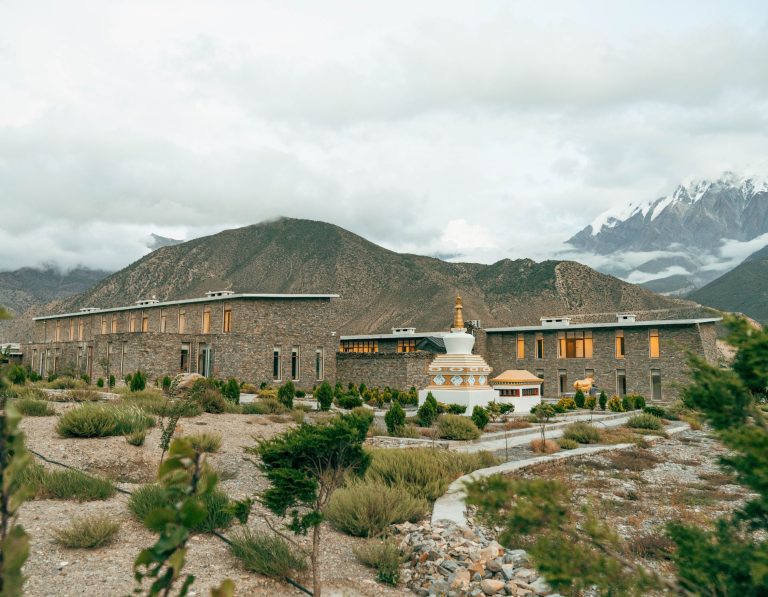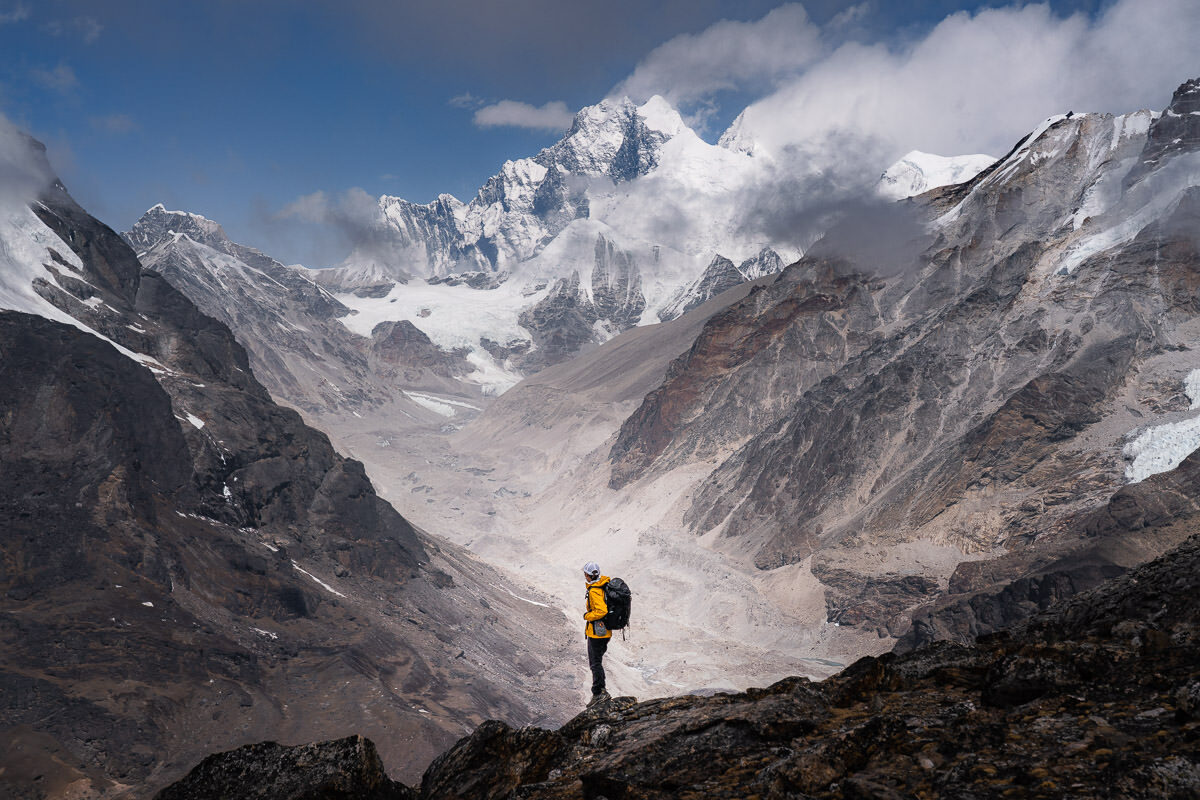
Makalu calls only those who dare to rise beyond comfort, where every step becomes a test of courage, and every view rewards the soul with the true meaning of adventure.
As Nepal continues expanding its tourism offerings beyond traditional trekking routes such as the Everest Base Camp Trek and the Annapurna Circuit, the remote Makalu Base Camp Trek is increasingly being recognized as one of the country’s most extraordinary wilderness adventures.
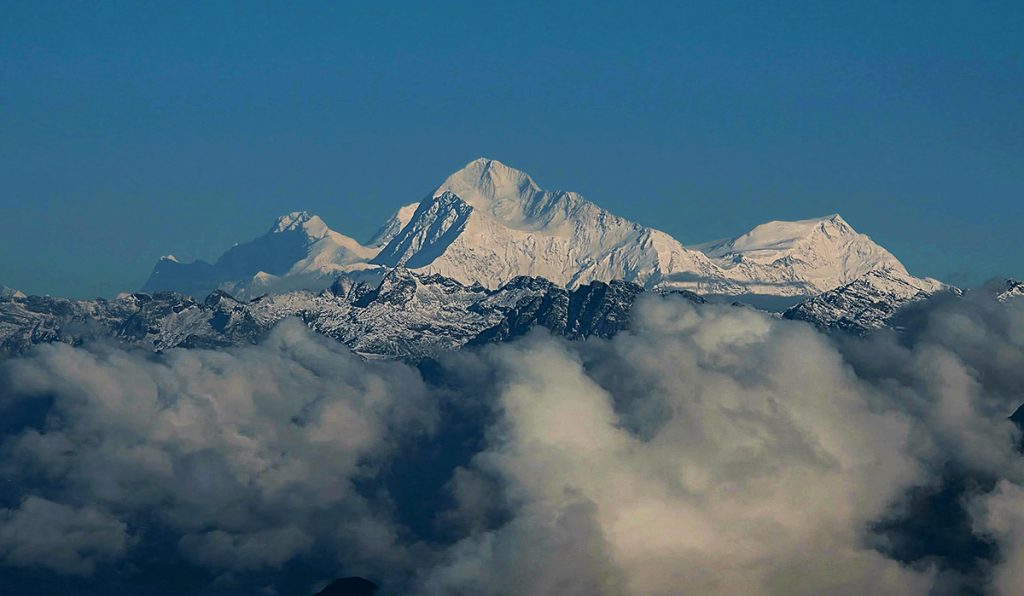
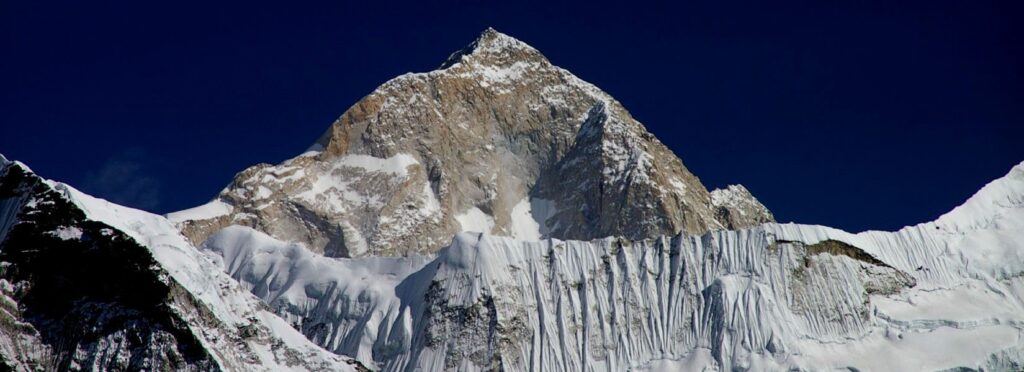
Located in eastern Nepal, the trek takes travelers deep into the pristine landscapes of Makalu-Barun National Park, leading to the base of Mount Makalu (8,485 meters), the fifth-highest mountain in the world. Tourism experts believe this route has strong potential to diversify Nepal’s adventure tourism sector by attracting travelers seeking less crowded and more authentic Himalayan experiences.
Below is the detailed trekking itinerary increasingly promoted by trekking operators and adventure tourism stakeholders.
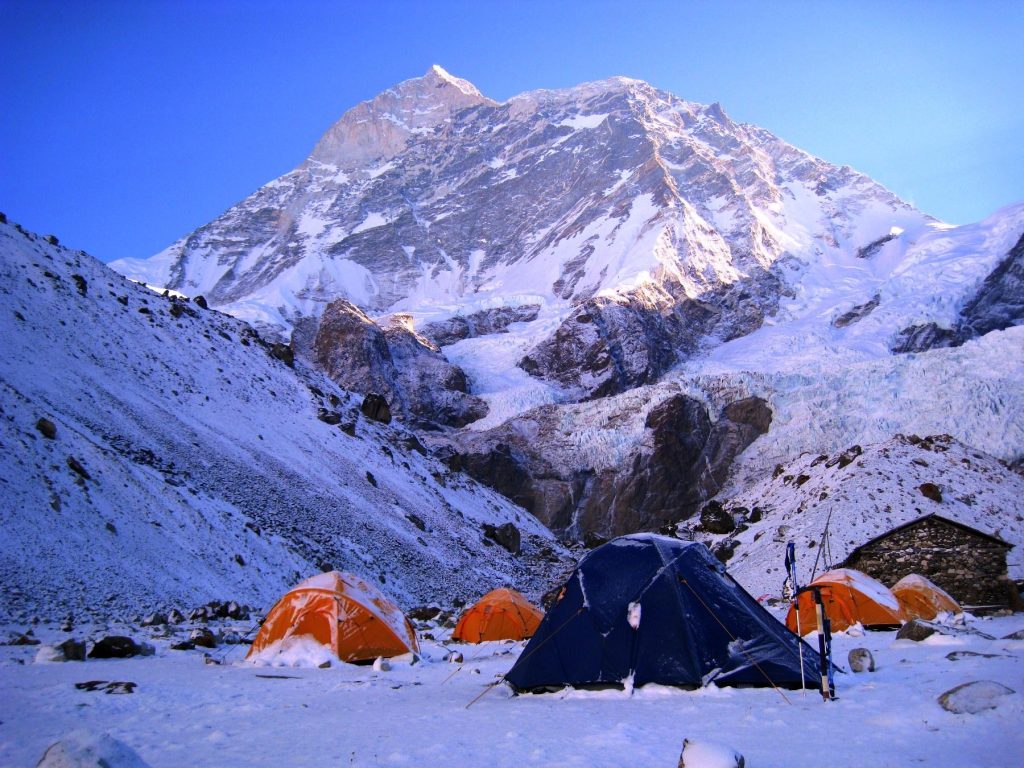
20-Day Detailed Makalu Base Camp Trek Itinerary
Day 1: Arrival in Kathmandu and Trek Preparation
The journey begins in Kathmandu, where trekkers arrive for final trip preparations, permit processing, and pre-expedition briefings. Most travelers spend the day organizing gear and exploring Nepal’s tourism hub, Thamel.
Key preparations include:
- Trek permits and national park entry documents
- Meeting guides and support staff
- Equipment checks for high-altitude conditions
Kathmandu remains the country’s primary gateway for international trekking tourism.
Day 2: Flight to Tumlingtar and Drive to Num Village
Trekkers take an early domestic flight from Kathmandu to Tumlingtar Airport, followed by a rugged jeep drive to Num Village.
The route introduces visitors to eastern Nepal’s scenic agricultural landscapes, local settlements, and views of the Arun River valley.
Travel duration:
- Flight: 50 minutes
- Drive: 4–5 hours
Day 3: Trek Begins from Num to Seduwa
The official trekking route begins with a steep descent toward the Arun River, followed by suspension bridge crossings and a steady uphill climb to Seduwa.
This section introduces trekkers to:
- Traditional farming communities
- Dense subtropical forests
- First checkpoint of Makalu conservation area
Walking time: 6–7 hours
Day 4: Trek from Seduwa to Tashigaon
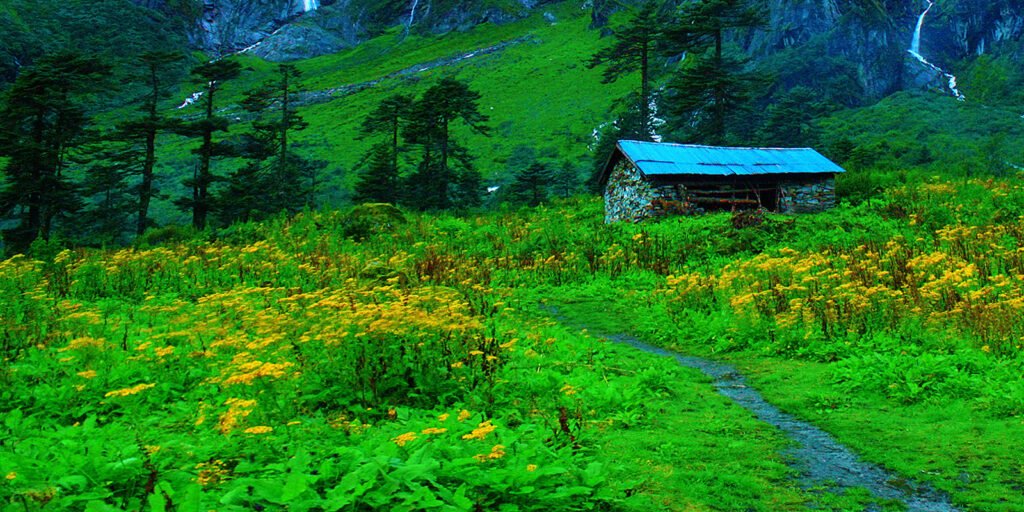
The trail gradually ascends through terraced farmlands and forested landscapes before reaching Tashigaon, one of the final permanent settlements on the route.
Visitors experience authentic mountain village life and local hospitality, showcasing Nepal’s community-based tourism potential.
Walking time: 4–5 hours
Day 5: Challenging Climb to Khongma Danda
One of the most physically demanding days takes trekkers uphill through thick rhododendron forests toward Khongma Danda.
Altitude gain becomes significant, making proper pacing essential.
Highlights include:
- Panoramic mountain ridge views
- High-altitude vegetation zones
- First major exposure to alpine terrain
Walking time: 7–8 hours
Day 6: Acclimatization Day for High Altitude Adjustment
Experts emphasize acclimatization as crucial before crossing higher mountain passes.
Trekkers spend the day resting and taking short altitude adjustment hikes around Khongma Danda.
This day helps reduce the risk of altitude sickness as the journey moves above 4,000 meters.
Day 7: Crossing High Passes to Reach Dobate
Trekkers cross several high mountain passes including:
- Keke La Pass (4,170m)
- Shipton La Pass (4,216m)
The route offers dramatic Himalayan views before descending toward Dobate.
Snow-covered trails may appear during colder months.
Walking time: 7 hours
Day 8: Entering the Spectacular Barun Valley
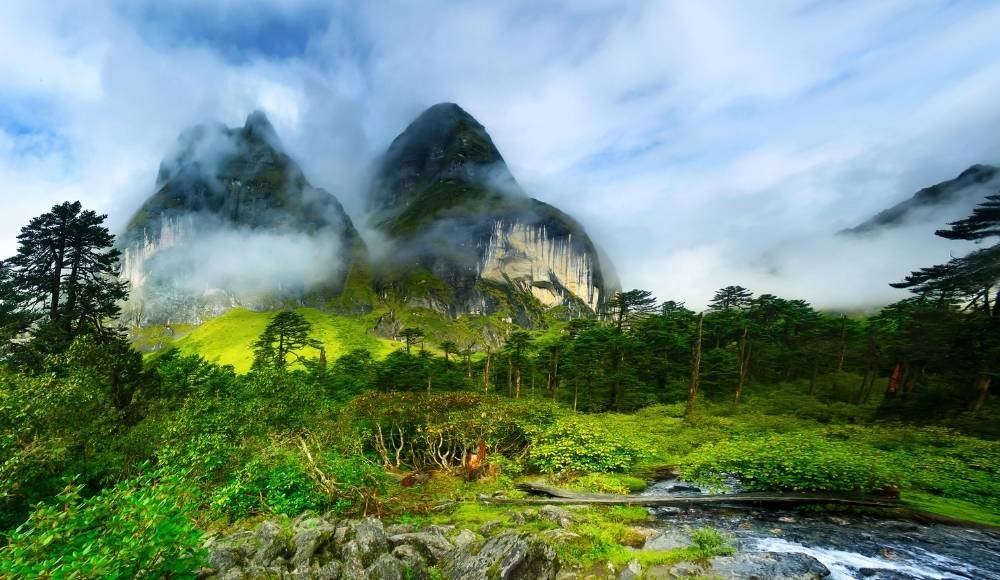
The route descends through dense forests before entering the pristine Barun Valley, one of Nepal’s richest biodiversity regions.
Trekkers arrive at Yangri Kharka.
The region is known for:
- Rare Himalayan wildlife
- Waterfalls and river crossings
- Untouched natural ecosystems
Walking time: 6 hours
Day 9: Trek from Yangri Kharka to Langmale Kharka
The trail now transitions into high alpine terrain with dramatic changes in vegetation and landscape.
Trekkers witness breathtaking views of:
- Makalu
- Baruntse
- Peak 6
- Peak 7
Destination: Langmale Kharka
Walking time: 5–6 hours
Day 10: Arrival at Makalu Base Camp
The most anticipated section of the expedition finally leads trekkers to Makalu Base Camp at approximately 4,870 meters.
Surrounded by glaciers and towering Himalayan giants, trekkers enjoy one of Nepal’s most dramatic mountain landscapes.
Visible peaks include:
- Mount Makalu
- Mount Everest
- Lhotse
- Baruntse
Walking time: 5 hours
Day 11: Exploration Around Makalu Base Camp
A full day is reserved for exploration and photography around the base camp area.
Activities include:
- Glacier viewpoint hikes
- Sunrise mountain photography
- Wildlife observation
This allows trekkers to fully experience one of Nepal’s least explored Himalayan destinations.
Day 12 to Day 17: Return Journey Through the Same Route
Trekkers begin descending back through:
- Langmale Kharka
- Yangri Kharka
- Dobate
- Khongma Danda
- Tashigaon
- Seduwa
- Num
Descending becomes physically easier while allowing more cultural interaction with local communities.
Day 18: Drive Back to Tumlingtar
The trekking expedition concludes with a jeep drive back to Tumlingtar.
Travelers often use this day for rest after completing one of Nepal’s toughest trekking adventures.
Day 19: Return Flight to Kathmandu
A scenic mountain flight brings trekkers back to Kathmandu, where most travelers spend the day relaxing or exploring heritage sites.
Popular post-trek visits include:
- Boudhanath Stupa
- Pashupatinath Temple
Growing Opportunity for Nepal’s Adventure Tourism Sector
Tourism entrepreneurs say the Makalu Base Camp Trek has immense potential to strengthen Nepal’s premium adventure tourism market.
Unlike heavily commercialized trekking routes, Makalu offers untouched wilderness, fewer crowds, authentic local culture, and high-value tourism opportunities for eastern Nepal.
As Nepal works to promote sustainable tourism and diversify destinations, Makalu Base Camp is increasingly being viewed as one of the country’s next major adventure tourism attractions.
Why Makalu Matters for Nepal’s Tourism Future
Industry experts argue that promoting destinations such as Makalu-Barun National Park can help distribute tourism benefits beyond traditional regions while attracting experienced international trekkers seeking unique wilderness expeditions.
For Nepal’s tourism sector, Makalu represents not only a trekking destination but also a growing opportunity to position the country as a leader in high-value adventure travel globally.