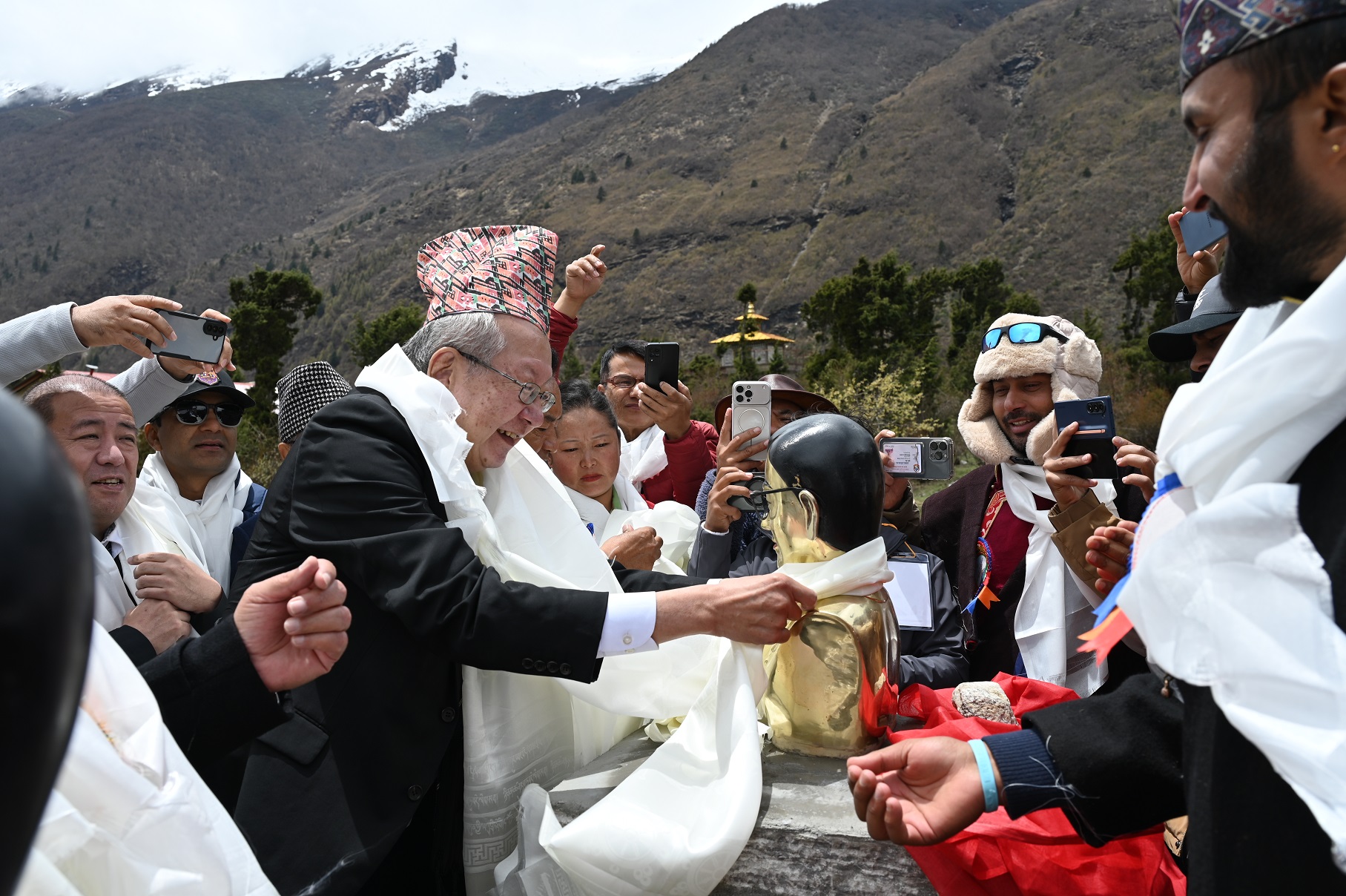
The 70th anniversary of the first successful ascent of Mount Manaslu was celebrated with special programmes in Samagaun of Gorkha district and Pokhara, commemorating the historic achievement and honoring the climbers who first reached the summit of the world’s eighth-highest mountain.
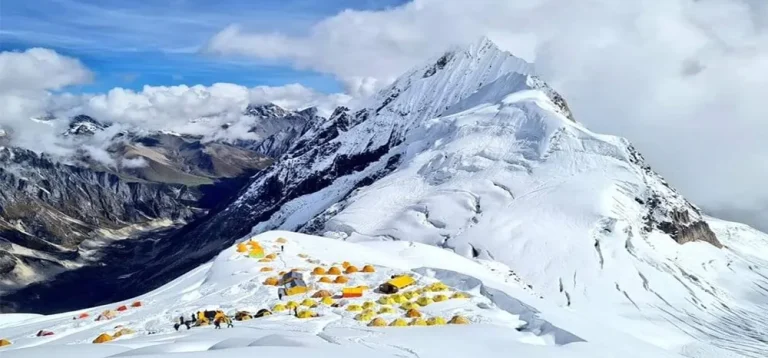
Mount Manaslu, which stands at 8,163 metres above sea level, is the eighth-highest mountain in the world and the seventh-highest in Nepal. According to the Department of Tourism Nepal, a total of 3,643 climbers have successfully summited Manaslu over the past seven decades since the first ascent in 1956.

Historic First Ascent Remembered
Mount Manaslu was first successfully climbed on May 9, 1956, by Japanese climber Toshio Imanishi and Nepali climber Gyalzen Norbu Sherpa through the Northeast Face route. Their ascent marked a major milestone in Himalayan mountaineering history and strengthened Nepal-Japan mountaineering relations.
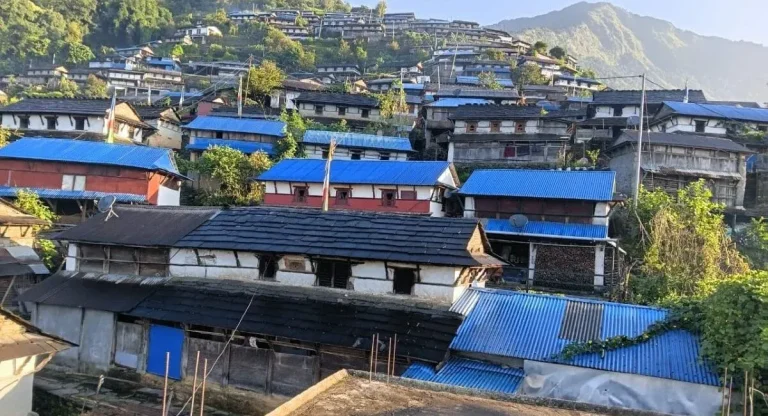
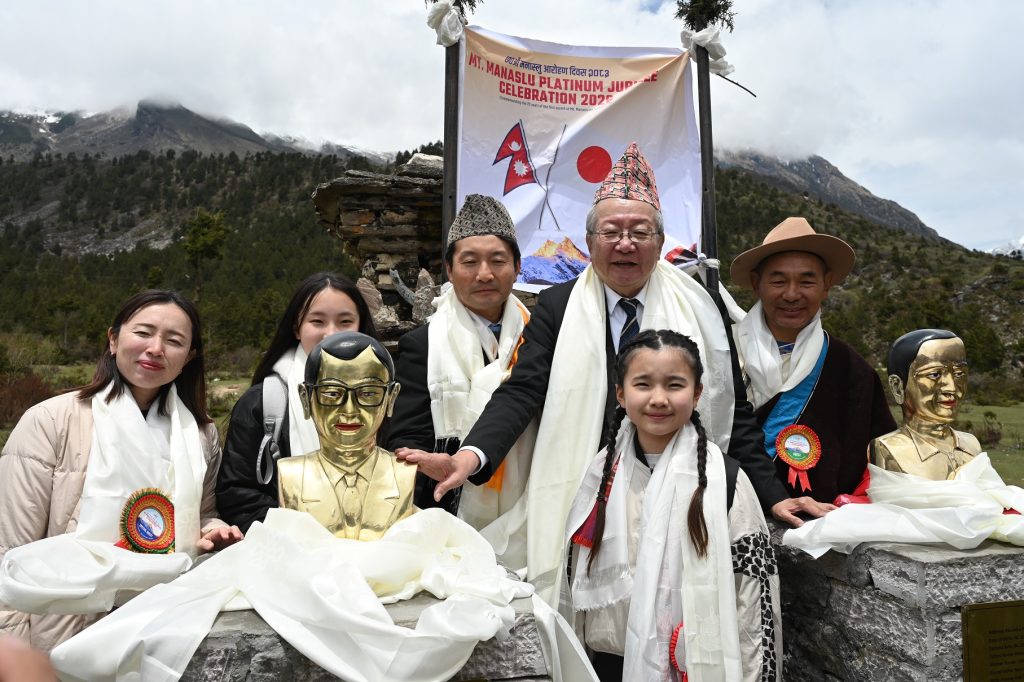
Later, on April 22, 1973, Nepali climber Urkien Tshering Sherpa became the first Nepali climber to successfully summit Mount Manaslu via the same route, according to the Department of Tourism. To honor the contributions of the pioneering climbers, statues of Toshio Imanishi and Urkien Tshering Sherpa were unveiled during the anniversary celebrations in Samagaun, one of the main gateway villages to Manaslu.
Special Programmes Organized in Samagaun and Pokhara
The Platinum Jubilee celebrations were held on May 9 and 10, 2026, with programmes jointly organized by the Nepal Mountaineering Association in collaboration with the Nepal Tourism Board, Expedition Operators Association Nepal, and the Trekking Agencies’ Association of Nepal. Chumanubri Rural Municipality also played a leading role in organizing the events in Samagaun.
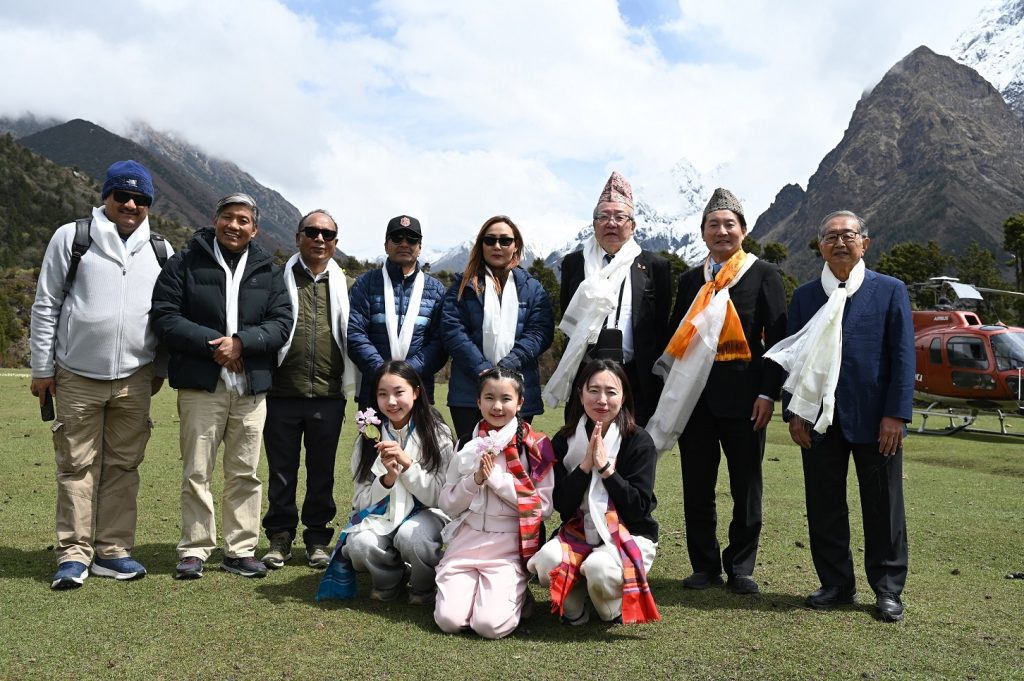
The programmes were attended by Gandaki Province Chief Minister Surendra Raj Pandey, Director General of the Department of Tourism Ramkrishna Lamichhane, senior government officials, mountaineering experts, tourism entrepreneurs, and family members of the pioneering climbers.
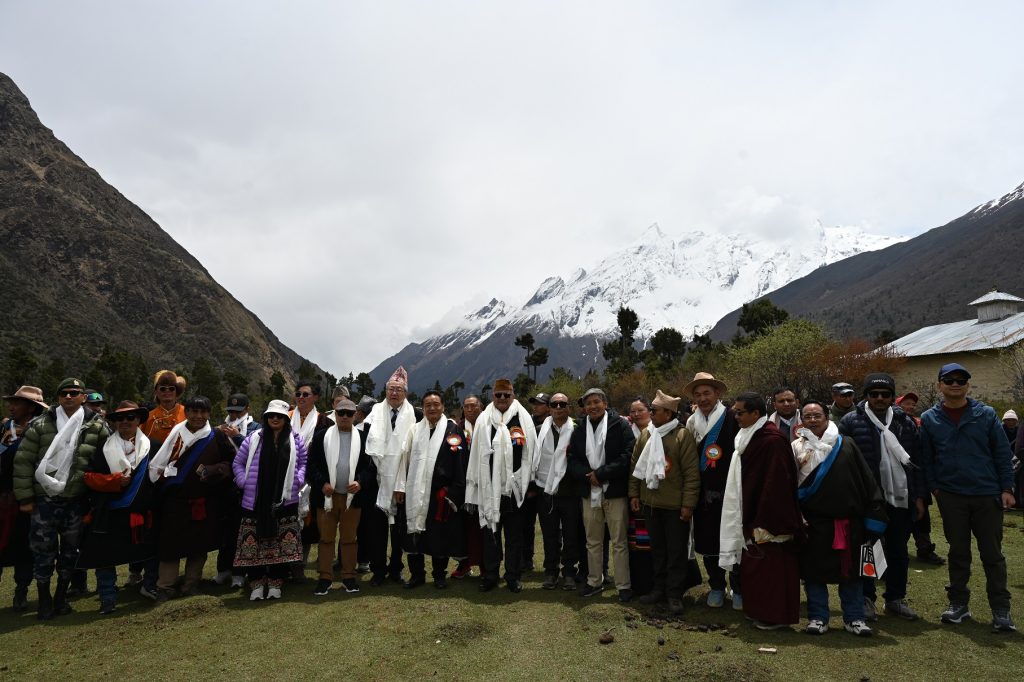
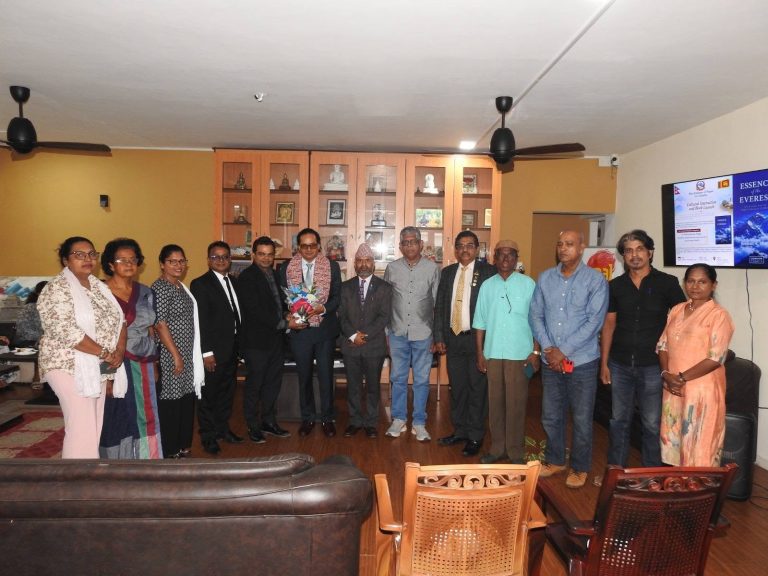
During the event, the families of the historic climbers were honored. Kunio Imanishi and Rasoyuke Imanishi, son and grandson of Toshio Imanishi, along with Chhiring Sherpa, son of Urkien Tshering Sherpa, were presented with certificates and traditional khadas in recognition of their families’ historic contribution to mountaineering.
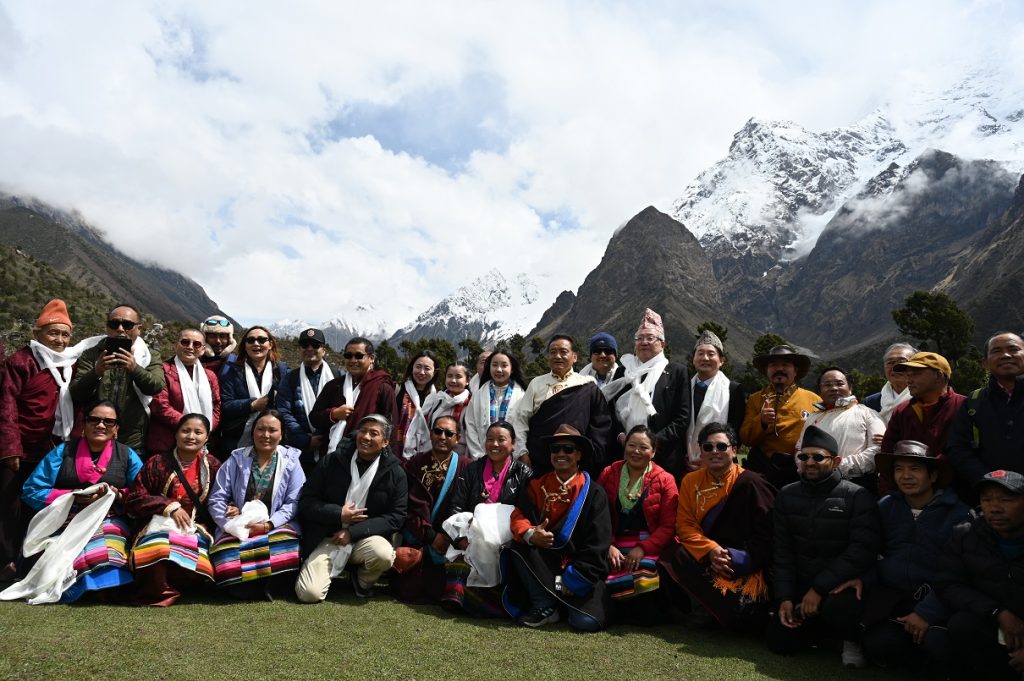
Local Climbers and Community Members Also Honored
The celebration also recognized local climbers from Samagaun, including Mingmar Chhiring Lama, Nangsyal Chheden, and Diki Lama, for their contribution to mountain tourism and Himalayan expeditions. Speakers at the programme highlighted the importance of preserving mountaineering history while promoting sustainable tourism in the Manaslu region. Officials noted that the mountain has become one of Nepal’s major adventure tourism destinations, attracting climbers and trekkers from around the world.
3D Model of Manaslu Unveiled in Pokhara
A major attraction of the Pokhara programme was the unveiling of a 3D model of Mount Manaslu at the International Mountain Museum. The installation aims to promote awareness about the mountain’s history, geography, and mountaineering significance among domestic and international visitors.

Before the formal ceremony, organizers screened a documentary showcasing the history of the first ascent of Manaslu and the evolution of climbing activities on the mountain over the decades. Hajima Iida, Vice President of the Japanese Alpine Club, also delivered a presentation highlighting the historical significance of the 1956 Japanese expedition and Nepal-Japan cooperation in Himalayan mountaineering.
Growing Importance of Manaslu in Nepal’s Tourism Sector
Over the years, Mount Manaslu has become an important part of Nepal’s adventure tourism industry. Besides mountaineering expeditions, the Manaslu Circuit Trek has emerged as a popular trekking destination known for its remote Himalayan landscapes, Tibetan-influenced culture, and diverse natural beauty. Tourism stakeholders believe the 70th anniversary celebration has further strengthened international recognition of Manaslu while also promoting local tourism and cultural heritage in the region.