Nestled in the lush green hills of Tanahun district, Manungkot is rapidly emerging as one of Nepal’s most captivating destinations, often referred to as the “Daman of the East.” Perched atop rolling hills, the village offers panoramic vistas of snow-capped Himalayan peaks, verdant landscapes, and clouds drifting below the hilltops. Known for its breathtaking sunrise views, Manungkot provides travelers with an unparalleled opportunity to reconnect with nature, making it a haven for both domestic and international tourists seeking serenity, scenic beauty, and adventure.
Whether you are a photography enthusiast, nature lover, or adventure seeker, Manungkot offers something for everyone. From early morning misty landscapes to cultural interactions in local villages, the hill station is becoming a must-visit destination in Nepal’s central hills.
Rising Popularity Among Nature Enthusiasts
Located just 12 kilometers from Damauli, the district headquarters, Manungkot is easily accessible for both day trips and longer stays. Its charm lies in the tranquil environment, where the interplay of sunlight, mist, and mountain views creates a magical ambiance that captivates visitors.
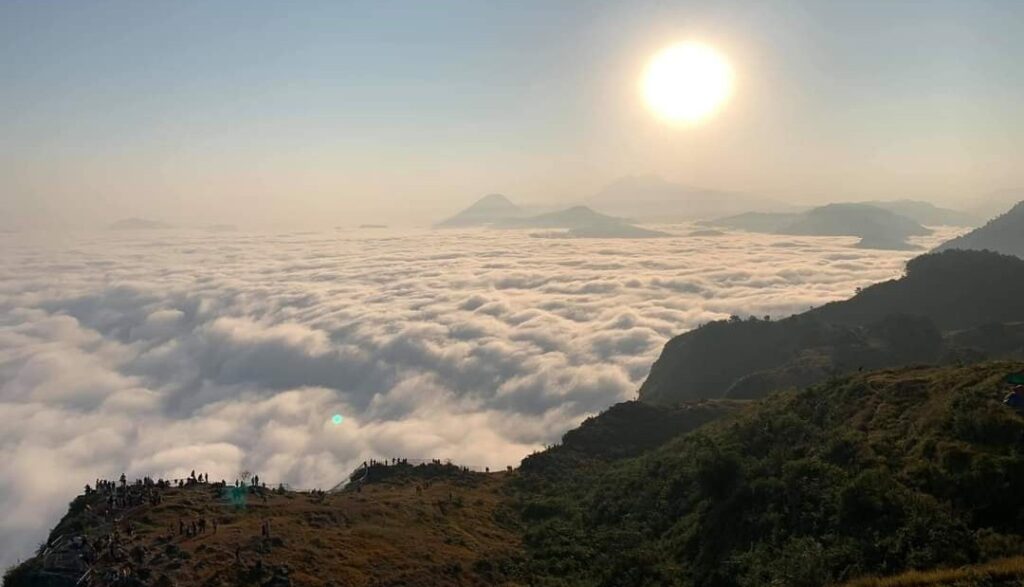
Sunrise at Manungkot rivals iconic viewpoints like Sarangkot in Pokhara, attracting photographers, trekkers, and nature lovers alike. The increasing influx of tourists reflects the growing recognition of Manungkot as a premier hill station in Nepal. Local authorities and travel enthusiasts are promoting it as a quieter, less crowded alternative to popular tourist hubs while offering equally spectacular Himalayan vistas.
Adventure and Cultural Experiences Combined
The journey to Manungkot is an adventure in itself. Winding roads through dense forests, terraced fields, and verdant landscapes provide a scenic prelude to the hilltop experience. A short hike or drive up the final stretch rewards travelers with sweeping Himalayan panoramas. Along the way, visitors can immerse themselves in local culture.
Nearby villages showcase traditional Gurung life, offering homestays, local handicrafts, and cultural festivals. Tourists can savor authentic Nepali dishes such as dhido and gundruk, interact with friendly locals, and even participate in village celebrations. This combination of adventure, culture, and culinary delight makes Manungkot a holistic travel experience.
Tourism entrepreneurs are increasingly investing in infrastructure to meet rising demand while prioritizing sustainability. This ensures that tourism development aligns with ecological preservation, maintaining the natural charm that makes Manungkot so appealing.
Tourism Infrastructure Development
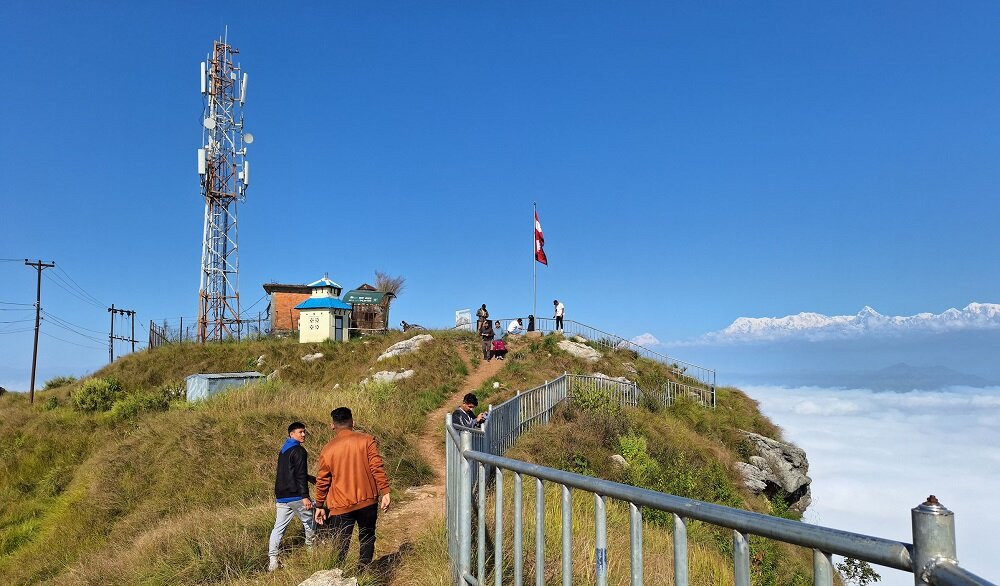
In recent years, Manungkot has witnessed notable improvements in tourism infrastructure. New viewing platforms, improved road access, and eco-lodges have made travel to the hill station more convenient without compromising the environment.
Local authorities and community-driven programs encourage responsible tourism, enabling residents to benefit economically while preserving the natural surroundings. Trekking enthusiasts and casual visitors alike are drawn to Manungkot’s tranquil setting, where early morning fog, fluttering prayer flags, and panoramic Himalayan views create an unforgettable experience.
A Photographer’s Paradise
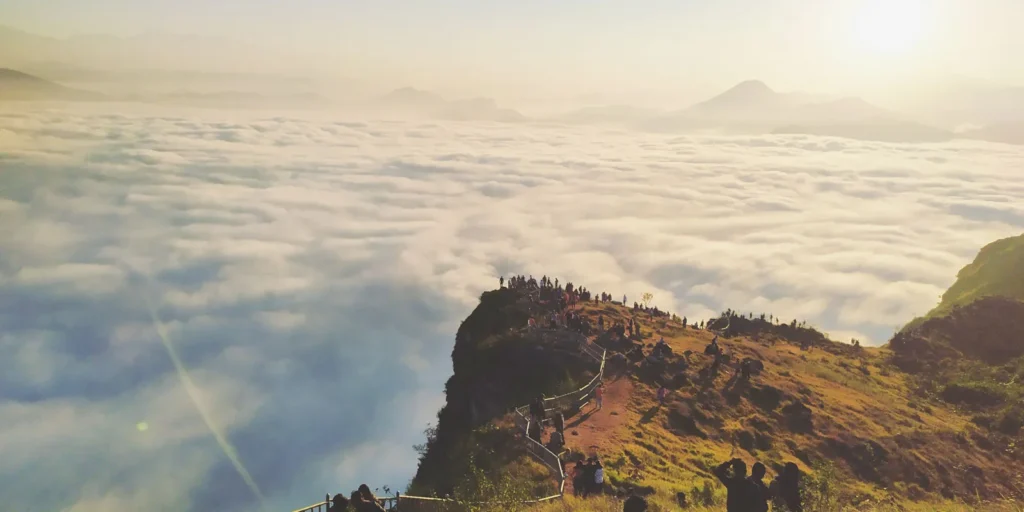
Manungkot has rapidly become a hotspot for photographers and content creators. The hilltop’s dramatic landscapes, clouds floating beneath, and Himalayan backdrop make it perfect for Instagram, TikTok, and travel blogs.
The rising digital exposure has amplified Manungkot’s appeal, attracting travelers who seek off-the-beaten-path destinations with picture-perfect scenery. Sunrise photography, cloud formations, and clear mountain views are particularly popular, making it a destination that rewards patience and early morning exploration.
Getting to Manungkot from Pokhara
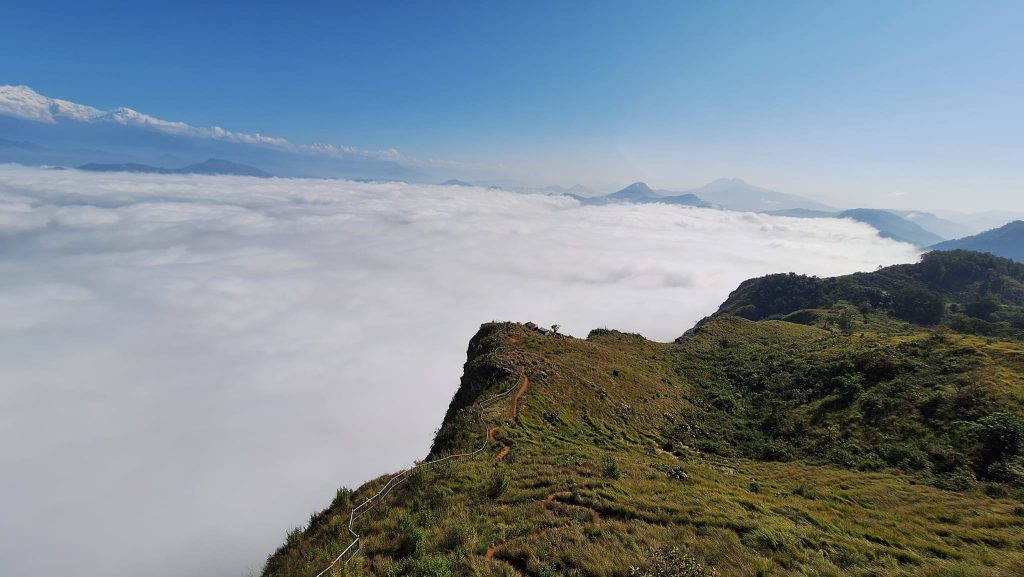
Manungkot is approximately 160 kilometers west of Kathmandu and just over an hour from Pokhara. From Prithivi Chowk in Pokhara, local buses travel to Damauli, costing around NPR 200 per person. From Damauli, travelers can hire shared jeeps or private vehicles for the final 12-kilometer journey uphill.
The road to Manungkot is 80% paved and 20% bumpy, climbing steadily through forests and small settlements. Travelers are advised to arrange transportation in advance, as local transport may be irregular. Personal vehicles or pre-booked jeeps provide the most comfortable and reliable option for reaching the hill station.
Arrival and First Impressions
Upon arrival, visitors are greeted by the crisp mountain air, rolling green hills, and panoramic views of the surrounding landscapes. Evening walks reveal stunning sunsets, with mountains bathed in shades of pink and orange. Local meals, including Dhal Bhat with lentil and chicken curry, offer a taste of authentic Nepali cuisine, completing the immersive hill station experience.
The Magical Sunrise at Manungkot
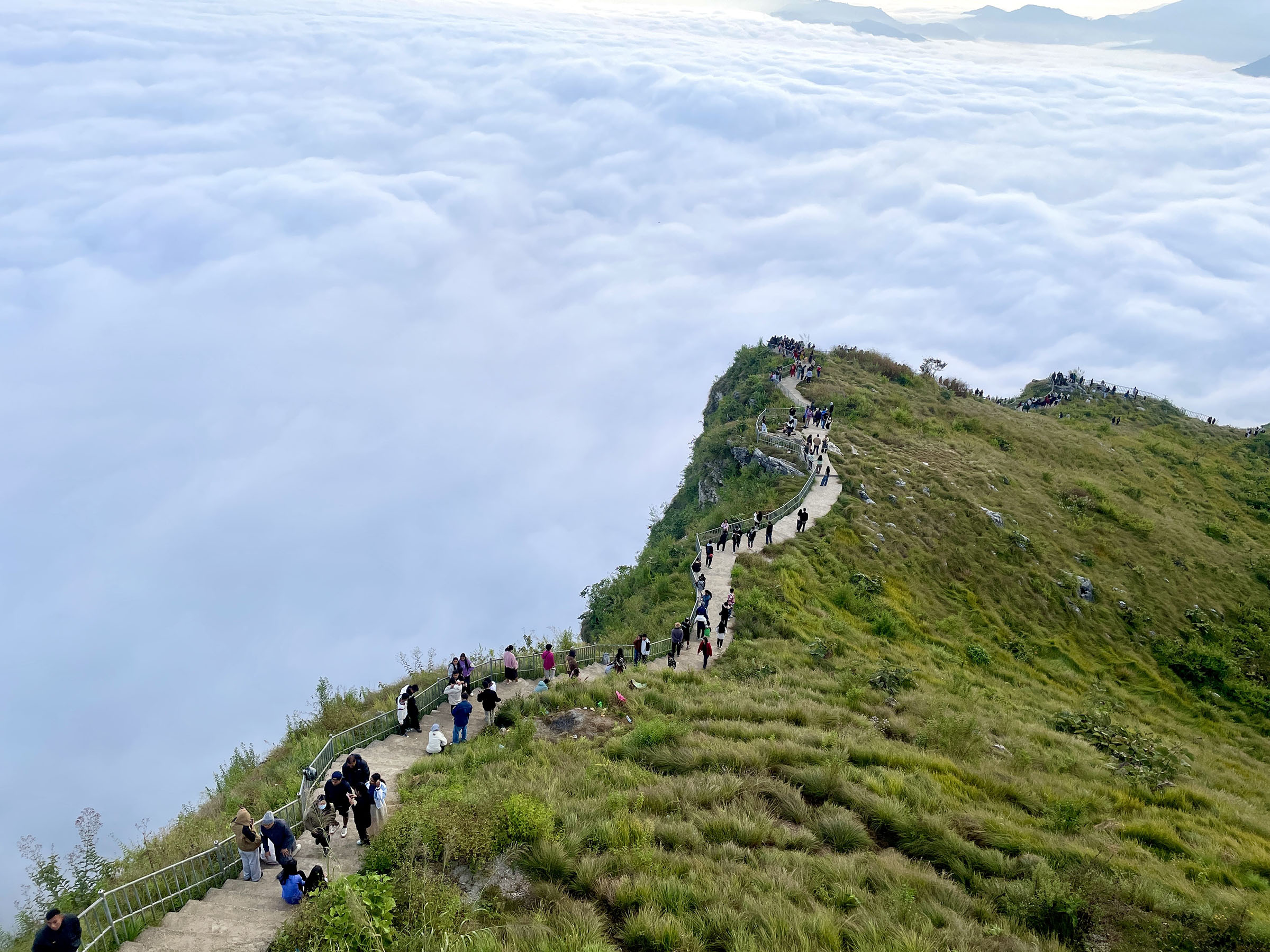
The highlight of any Manungkot visit is undoubtedly the sunrise. Visitors are encouraged to wake up early and make the short walk to the famous Manungkot View Tower. Tea stalls nearby provide hot beverages for early risers, allowing them to enjoy the sunrise in comfort.
Standing above a sea of clouds, the mountains are painted in gold, orange, and red as the sun ascends. A well-built stairway descending toward the clouds provides a closer view, offering a surreal and immersive experience. The cloud cover gradually disperses by mid-morning, revealing the valley below in its full splendor.
Adventure, Leisure, and Photography
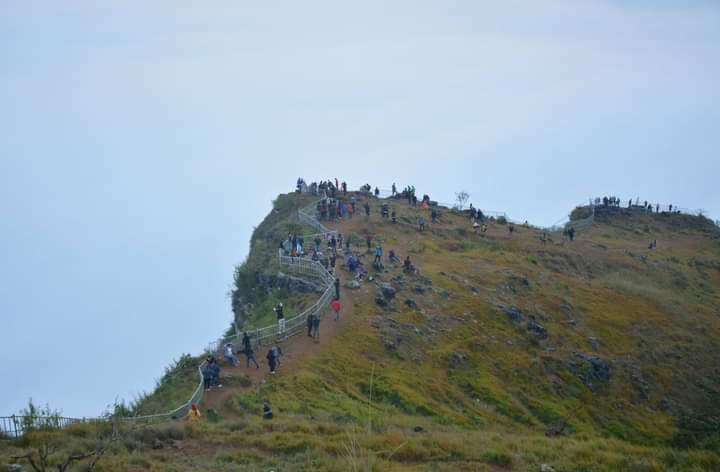
Manungkot offers a mix of adventure and leisure, from short treks to exploring local villages. Early morning fog, fluttering prayer flags, and Himalayan vistas create perfect conditions for photography, painting, and meditation. Social media content shared by travelers has helped spread awareness of this hidden gem, making it increasingly popular among young travelers seeking unique experiences.
Community-Based Tourism and Sustainability
Local communities benefit directly from the growing tourism sector. Homestays, guided treks, and handicraft sales provide sustainable income while encouraging responsible tourism. Authorities are working to ensure that tourism expansion does not harm the environment, maintaining Manungkot’s natural beauty and ecological balance. By balancing development and conservation, Manungkot can become a model for sustainable tourism in Nepal, attracting visitors while preserving local culture and the environment.
Unlocking Future Potential
Experts suggest Manungkot has enormous potential to become a major tourist destination. Expansion of homestay networks, guided trekking routes, and community-driven tourism initiatives can enhance visitor experiences while providing sustainable income for residents.
The hill station is perfectly positioned to cater to modern travelers seeking authentic, off-the-beaten-path experiences. Weekend escapes, cultural immersions, photography expeditions, and adventure tourism can all thrive in this serene environment.
Best Time to Visit Manungkot
The ideal seasons to visit Manungkot are Autumn (September to November) and Spring (March to May). During these months, weather conditions are clear and pleasant, maximizing the chances of witnessing a thick sea of clouds and panoramic mountain views. Other months may bring rain or colder temperatures, making travel less comfortable.
Manungkot offers something rare in today’s fast-paced world: a chance to slow down, reconnect with nature, and experience authentic mountain life. From breathtaking sunrises and rolling clouds to warm local hospitality and simple pleasures, every moment here is a reminder of the beauty that Nepal’s hill stations hold.
For travelers seeking a peaceful retreat above the clouds, a blend of adventure, cultural immersion, and photography opportunities, Manungkot is a must-visit destination. Pack your bags, bring your camera, and make your way to this little utopia, because the early morning wake-up call and the mesmerizing sunrise will be worth every second.