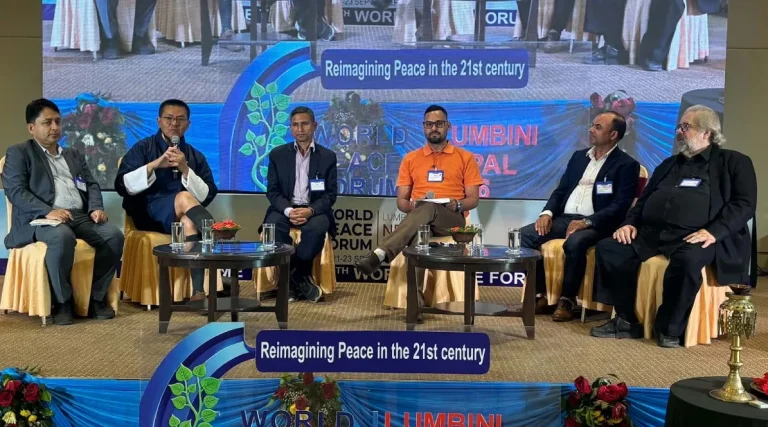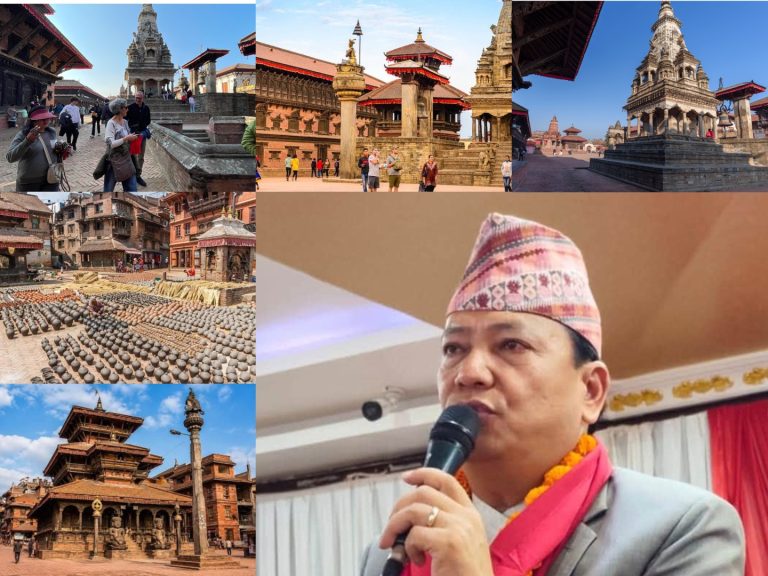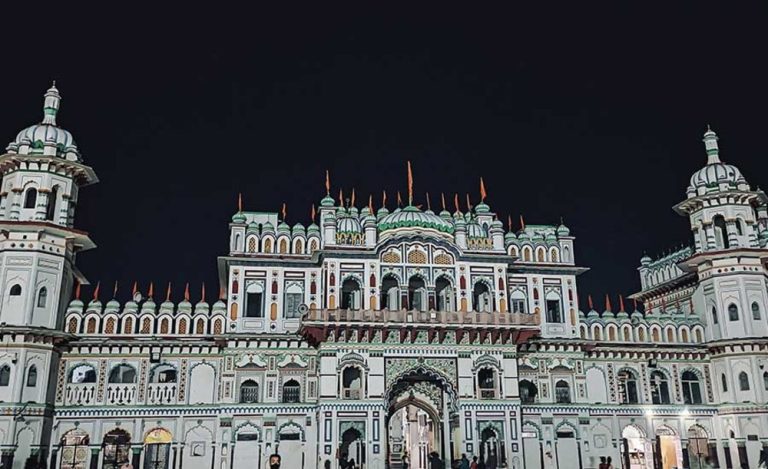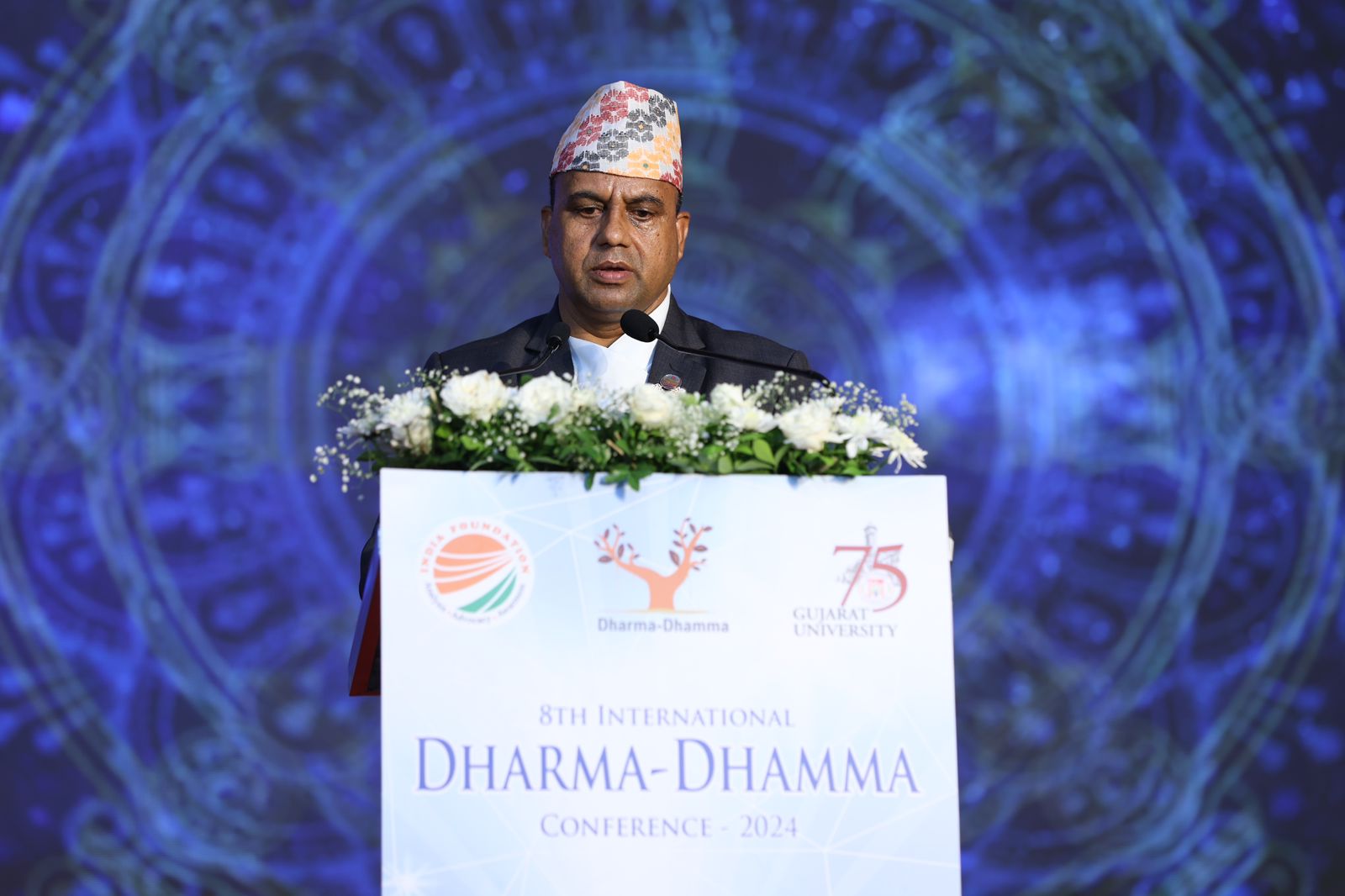
Minister of Culture, Tourism, and Civil Aviation, Mr. Badri Prasad Pandey, emphasized the importance of cross-border collaboration to develop infrastructure and improve mobility, aiming to enhance religious tourism between Nepal and India. Speaking at the eighth Dharma-Dhamma Conference in Gujarat on Friday evening, Minister Pandey underscored the significance of ensuring global visitors can easily experience the sanctity of Nepal’s religious sites.
During his address, Minister Pandey highlighted the shared cultural heritage between Nepal and India, referencing sacred sites such as Pashupatinath, Halesi, and Muktinath in Nepal, as well as the Shanti Stupa in Kashi, India. He extended a warm invitation to conference attendees to visit Nepal, urging them to immerse themselves in the spiritual richness that resonates with the conference’s theme.
The conference, organized by the India Foundation in collaboration with Gujarat University in Ahmedabad, brought together ministers and religious thinkers from Bhutan, Sri Lanka, and other nations. The event focused on the theme of “Cosmology in Dharma and Dhamma,” exploring the relationship between Hindu and Buddhist philosophies in the context of the modern world.
Minister Pandey emphasized that unity in diversity is the cornerstone of the region’s tradition, noting that the principles of Dharma and Dhamma have long been integral to Nepal, symbolizing peace and compassion. “Our magnificent mountains, sacred pilgrimage sites, and cultural heritage all reflect a cosmic energy and divine presence, making Nepal a living testament to nature and divinity,” he remarked.
As the Minister of Culture, Tourism, and Civil Aviation, Pandey reiterated his commitment to safeguarding and promoting Nepal’s spiritual heritage. He called for enhanced cooperation in building cross-border infrastructure and advancing religious tourism, to create an environment where visitors can fully appreciate the sacredness of Nepal’s religious sites. He suggested that such efforts would contribute to the true essence of the Dharma-Dhamma tradition.
The conference aimed to encourage the cross-pollination of ideas between the ancient Hindu and Buddhist civilizations, which have been intertwined for centuries. In today’s globalized world, the shared philosophies of Dharma and Dhamma were highlighted as crucial for promoting harmony and fostering an environment of spiritual freedom.