According to the latest weather updates, the monsoon trough currently lies near its average position, which has contributed to prevailing weather patterns seen across the country. The Department of Hydrology and Meteorology (DHM) has issued a nationwide weather alert, stating that the country is currently under the influence of active monsoon winds. The department has reported that the monsoon trough is positioned near its average location, thereby intensifying the possibility of rainfall throughout the country.
Monsoon Across the Country
According to the latest weather update, most parts of Nepal are expected to witness generally cloudy conditions during the day. In particular, the Sudurpaschim Province and many hilly regions are likely to experience moderate rainfall accompanied by thunder and lightning. In other provinces, including some areas of the Terai belt, there is a moderate chance of thunderstorm-induced rainfall during the day.
Weather conditions in the capital, Kathmandu Valley, and other major cities are also expected to remain cloudy, with intermittent rainfall that may cause localized disruptions to normal routines and transport systems.
Nighttime Forecast: Continued Rain in Hills, Partial Cloudiness in the Terai
During the night, the weather across Nepal’s hilly regions will continue to remain generally cloudy. Meanwhile, the Terai region will experience partial cloud cover. Isolated areas within the hilly regions and a few places in the Terai are forecasted to receive moderate rain with thunderstorms and lightning.
In addition, the DHM has pointed out that one or two places in the hilly region of Gandaki Province are at risk of heavy rainfall. This has raised concerns over potential natural disasters such as flash floods, landslides, and river overflow incidents.
Risk of Floods, Landslides, and Urban Inundation
Due to the forecasted rainfall patterns, the department has issued a warning for increased risk of water-induced disasters in various parts of the country. There is a high likelihood of landslides in mountainous and hilly areas, while urban centers and low-lying Terai districts may face waterlogging and inundation.
Small and large rivers, streams, and rivulets are expected to witness a significant rise in water levels, posing potential threats to nearby settlements and infrastructures. Communities located in flood-prone areas are being urged to remain cautious and take preventive measures.
Potential Impacts on Daily Life, Infrastructure, and Key Sectors
The Department has emphasized that the impact of persistent and intense rainfall could significantly affect daily life and multiple sectors. These include:
- Agriculture: Excessive rainfall could damage crops ready for harvesting or cause delays in planting.
- Health: Waterborne diseases may rise due to stagnant water and poor sanitation conditions.
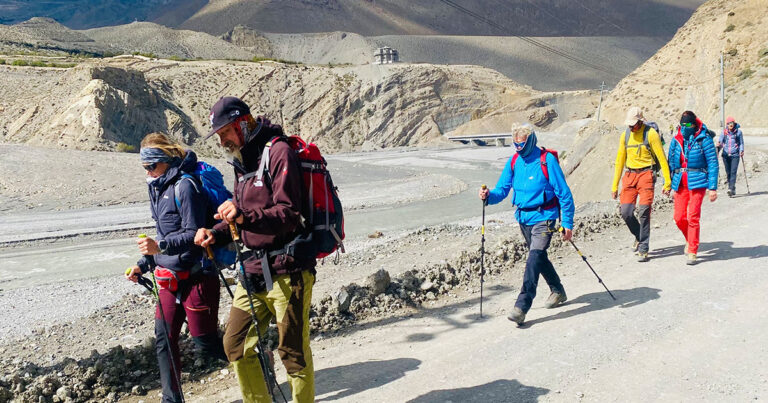
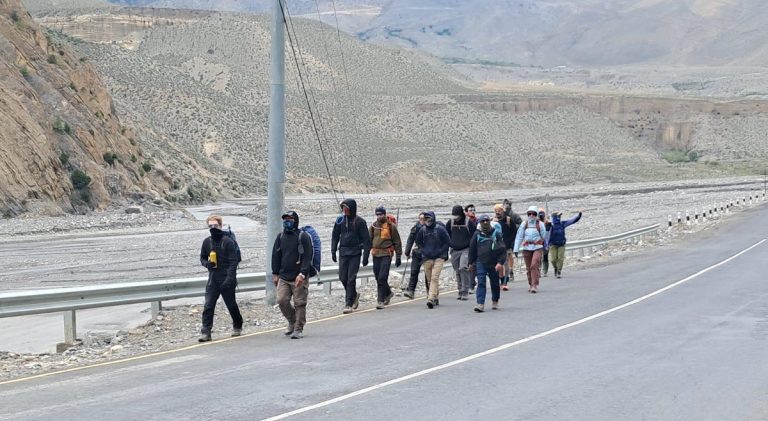
- Tourism: Trekking routes, especially in high-altitude areas, could face disruptions due to slippery trails and landslides.
- Construction: Infrastructure development projects could be delayed due to muddy terrain and unsafe working conditions.
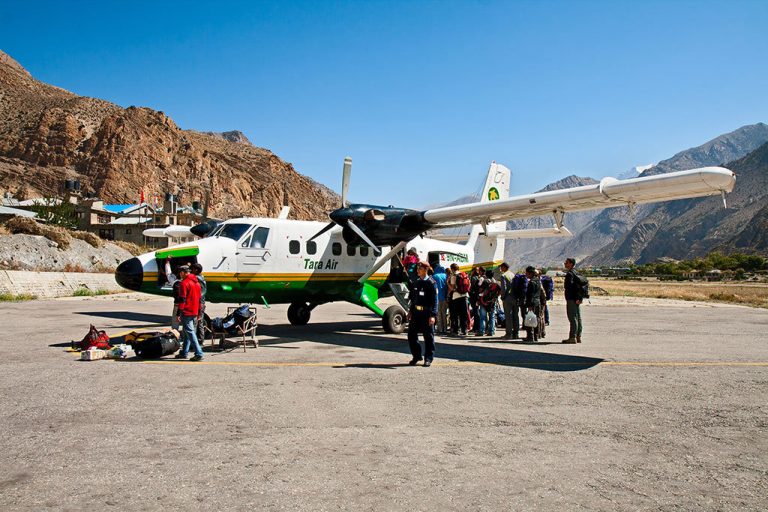
- Road and Air Transport: Road blockages and poor visibility may affect vehicular movement and flight operations, particularly in hilly and mountainous regions.
Department Calls for Vigilance and Preparedness
Acknowledging the likelihood of widespread disruptions, the Department of Hydrology and Meteorology has urged all concerned individuals, local authorities, development partners, and emergency response teams to maintain a state of readiness.
“All stakeholders are requested to stay alert and adopt necessary preparedness measures,” the department said in its public notice. “Extra caution must be exercised in vulnerable areas to minimize risk to life and property.”
The department has also encouraged the public to stay updated through reliable weather forecasts and alerts issued by authorized bodies. Travelers and those residing in disaster-prone zones are advised to avoid unnecessary travel and take shelter in safe areas.
Public Cooperation and Disaster Management Urged
Authorities have also appealed to the general public to cooperate with local disaster management teams and follow safety instructions issued by municipalities and local governments. Community-level preparation, including the clearing of drainage systems, storing emergency supplies, and awareness dissemination, can significantly mitigate risks.
In case of emergencies, citizens are advised to contact their nearest disaster relief centers or local representatives. The government and non-governmental organizations are expected to work in coordination to ensure quick response and recovery operations if natural disasters do occur.
As Nepal experiences another active monsoon cycle, the importance of preparedness, timely communication, and public awareness cannot be overstated. While nature’s patterns are unpredictable, collective caution and coordination can significantly reduce the impact of potential calamities.